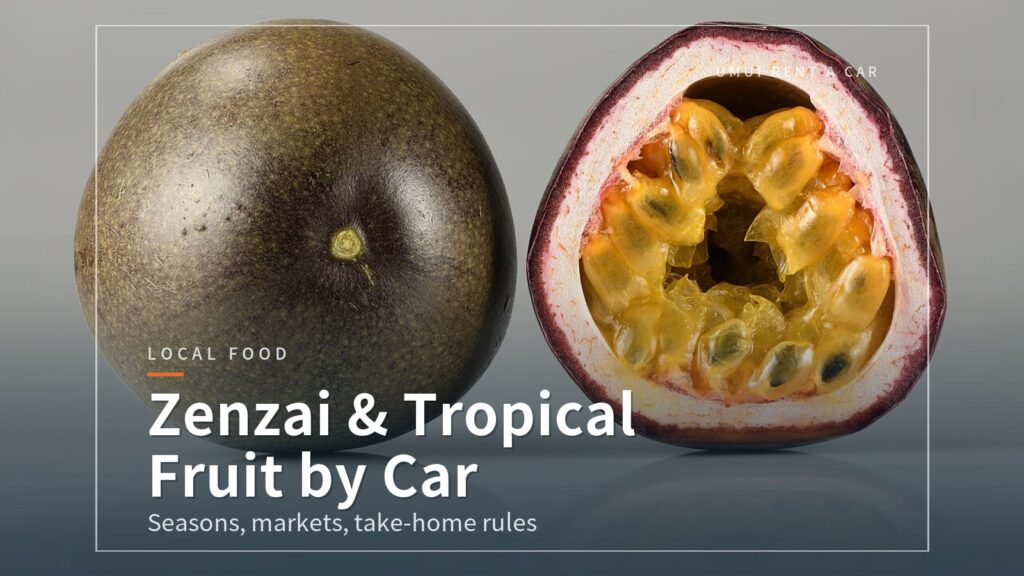
Order “zenzai” in Okinawa and you may be surprised to get a bowl of fluffy shaved ice instead of a warm sweet-bean soup. Okinawan zenzai is a cold dessert: sweetened beans topped with shaved ice. Okinawa also has a rich variety of tropical fruit that comes into season at different times of the year.
This article explains what Okinawan zenzai is, how to plan a drive between zenzai and shaved-ice shops, when mangoes, pineapples, shikuwasa and other fruits are in season, how to buy them at farm-produce markets, and the fruit take-home rules you should check before you leave Okinawa. Tastes differ, so there are no taste ratings or rankings here. We only wrote what we could confirm from official sources: opening hours, parking and regulations.
What Is Okinawan Zenzai?
A Cold Dessert Served Over Shaved Ice
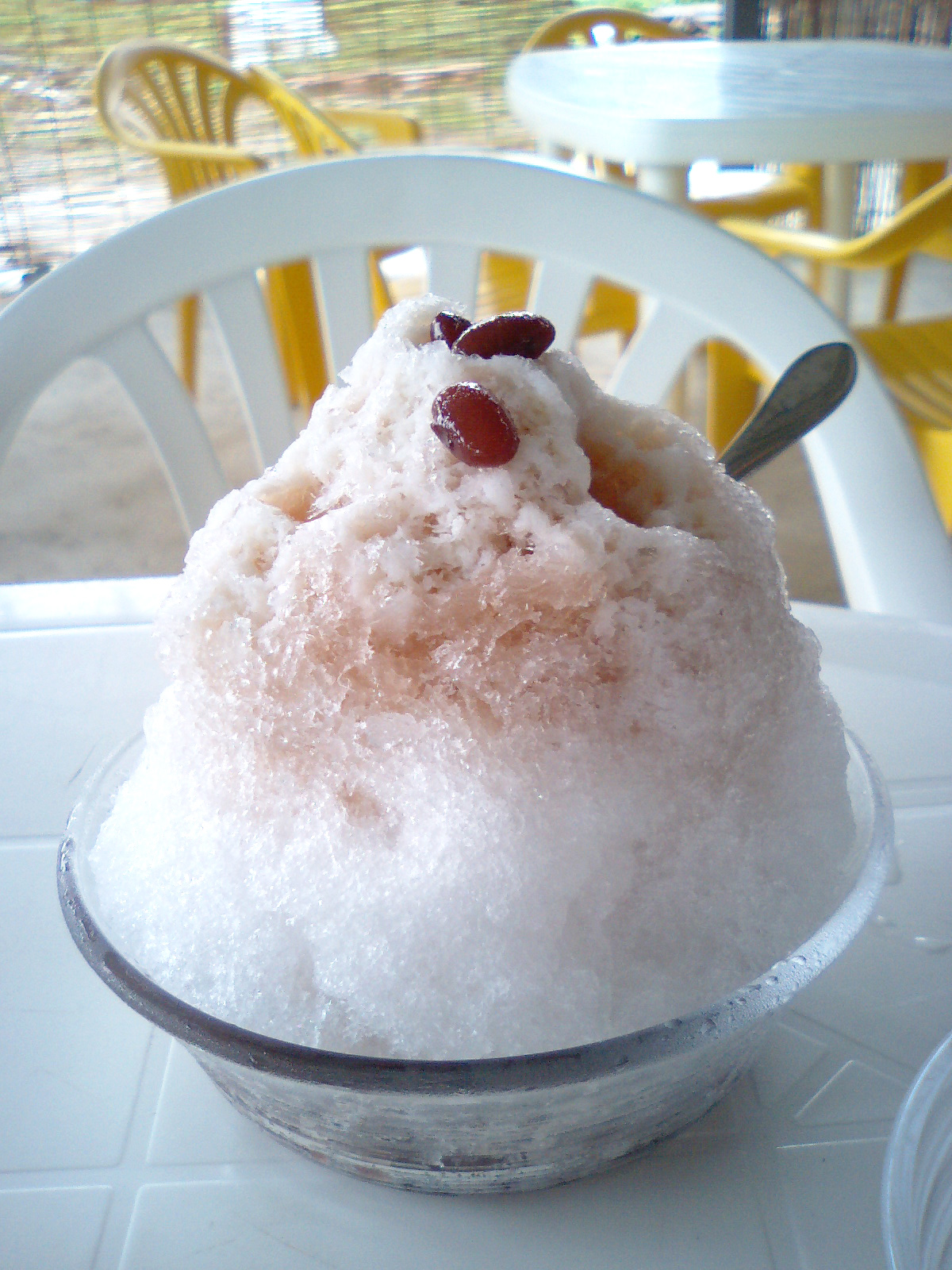
According to “Okinawa Story,” the official tourism information site of Okinawa Prefecture, Okinawan zenzai is not a warm soup like the mainland version, but a cold dessert eaten in summer. Kidney beans (kintoki beans) simmered in brown sugar or sugar are placed on fluffy shaved ice, then finished with shiratama dumplings or mochi. It is described as having a simple sweetness and the soft, crumbly texture of the beans.
If you picture a warm sweet-bean soup from the name, you may be surprised. Shops sometimes use different names and menu layouts, so check the menu or ask the staff if you are not sure.
Enjoying the Differences Between Shops
Even when the dish is called “zenzai,” the way the ice is made, how the beans are cooked and the toppings differ from shop to shop. For example, Okinawa Story introduces “Zenzai no Fujiya Tomari Main Store” in Tomari, Naha, as a shop whose ice is made from the water the kintoki beans were cooked in. The description says the taste stays the same even as the ice melts.
Explanations differ between sources about the origin of zenzai and how kintoki beans came to be used, so this article does not go into it. What matters is enjoying the differences by tasting them yourself. With a car, you can visit several shops across areas such as Naha, Itoman and Chatan.
Driving Between Zenzai and Shaved-Ice Shops
From the shops in the Okinawa Story article “Zenzai and Shaved Ice to Try in Okinawa” (published August 31, 2025), we picked three whose hours and parking could be confirmed through official tourism information. We give no taste ratings or rankings.
Zenzai no Fujiya Tomari Main Store (Naha)
This shop in Tomari, Naha, has zenzai as its signature item. Okinawa Story notes that the ice is made from the bean cooking water, that tacos and Okinawa soba are also on the menu, and that the interior has a beach-cafe feel. Hours change by season: 11:00-19:00 from October to May and 11:00-20:00 from June to September, open every day of the year.
We could not confirm parking through official tourism information or the shop’s own website. Because listing sites differ, please call ahead if you are coming by car.
| Address | 沖縄県那覇市泊2-10-9 |
|---|---|
| Phone | 098-869-4657 |
| Hours | Oct-May 11:00-19:00 / Jun-Sep 11:00-20:00 (Okinawa Story listing, updated September 2026) |
| Closed | Open every day |
| Parking | Not confirmed in official information (please check with the shop before visiting) |
Inamine Hiyashimono-ten (Itoman)
This long-established cold-treats shop started near the Itoman rotary and moved and changed its name in 2014 (Heisei 26). According to Okinawa Story, it serves about 30 kinds of cold treats, plus Okinawan zenzai, Okinawa soba, taco rice and set meals. It is easy to add to a southern drive when you want lunch and dessert in the same place.
Hours are 11:00-18:00, and it is closed on Tuesdays. Parking is listed as “a dedicated lot nearby,” so it is a good idea to confirm the location by phone before you go.
| Address | 沖縄県糸満市糸満1486-3 |
|---|---|
| Phone | 098-995-0418 |
| Hours | 11:00-18:00 (Okinawa Story listing, updated September 2026) |
| Closed | Tuesdays |
| Parking | Dedicated parking nearby |
Fruit Shaved-Ice Specialty Shop the Sea (Makishi, Naha)
This shop in Makishi, Naha, serves shaved ice and fruit dishes. Okinawa Story introduces shaved ice made from Okinawan seawater and flavors focused on tropical fruit. It suits a day when you want tropical fruit in shaved ice more than zenzai itself.
Both Okinawa Story and the shop’s website give Wednesday as the closed day. The two sources disagree on opening hours, so we do not list them here. Please check the shop’s website or social media for the day’s status. Parking is listed as “paid coin parking nearby.”
| Address | 沖縄県那覇市牧志3-1-16 1F |
|---|---|
| Phone | 098-943-7250 |
| Hours | Sources disagree; please check the website or social media |
| Closed | Wednesdays |
| Parking | Paid coin parking nearby |
Knowing When Tropical Fruit Is in Season
Production Periods Shown by JA Okinawa
The season is a key clue for deciding what you can eat on your trip. Below are the “production periods” on the Specialty Products (Fruit) page of JA Okinawa’s official website, organized as written.
| Mango | June-September (main varieties: Irwin, Keitt) |
|---|---|
| Pineapple | May-July |
| Passion fruit | February-July |
| Dragon fruit | Late June-mid December |
| Shikuwasa | Green fruit: mid August-early October / Ripe fruit: mid January-early March |
| Tankan | December-February |
| Papaya (as fruit) | Late April-early June |
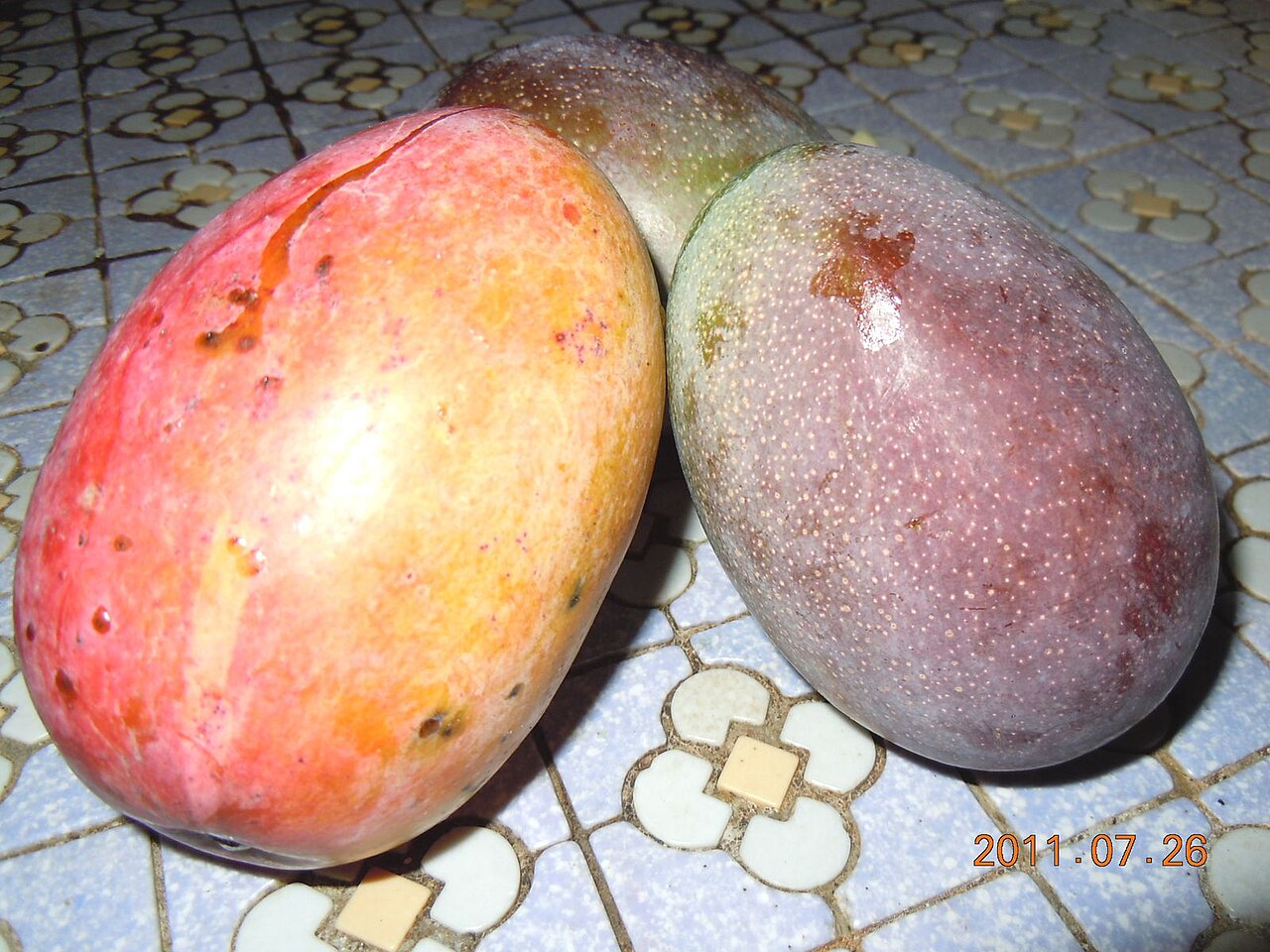
As the table shows, the seasons of tropical fruit are quite different from one another. A rough idea such as “mango and pineapple in summer, shikuwasa and tankan from autumn into winter” makes it easier to decide what to look for on your trip.
Shikuwasa: Green Fruit and Ripe Fruit Are Used Differently
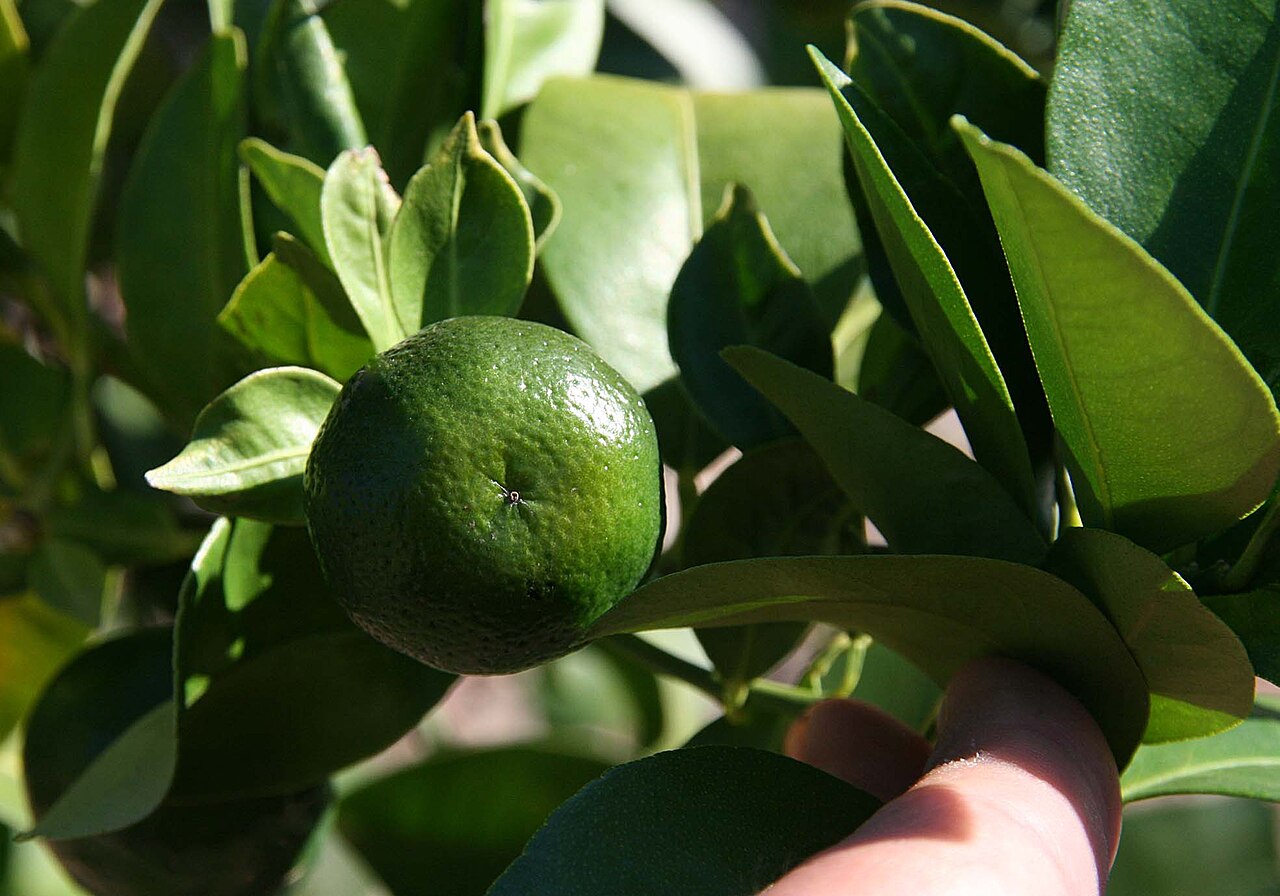
JA Okinawa explains that shikuwasa picked while still green is squeezed over dishes such as sashimi, grilled fish and barbecue. This is why the production table has two entries, “green fruit” and “ripe fruit.”
What Is in Season Now, and How to Read the Seasons
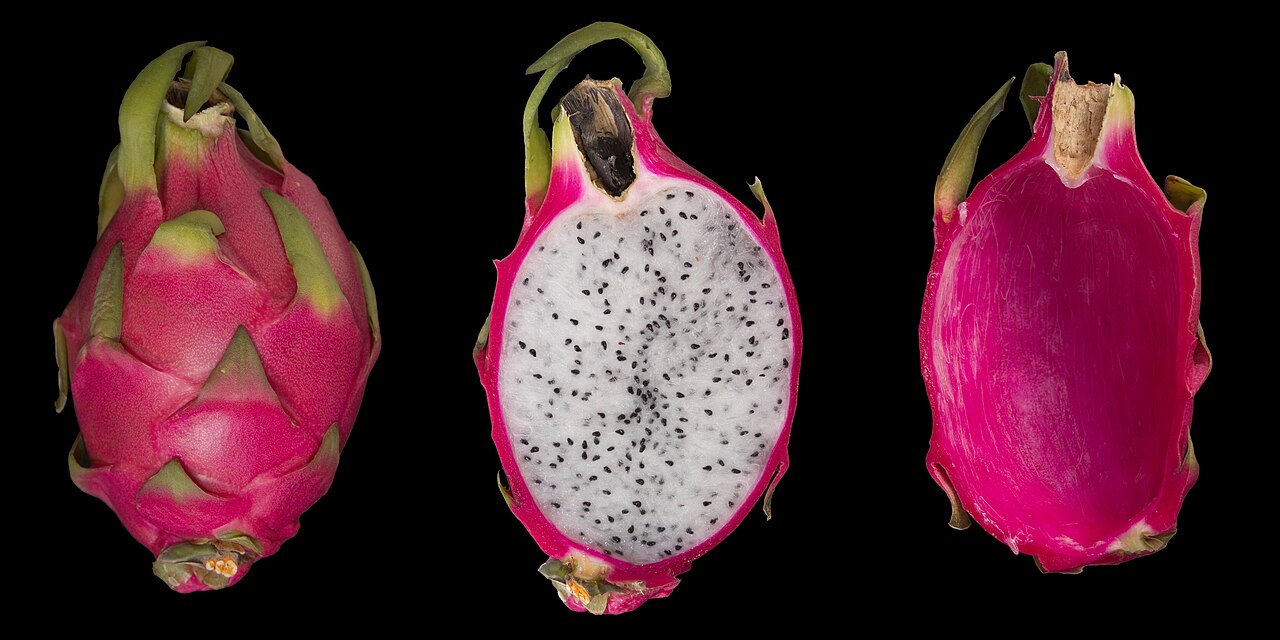
As of late October 2026, when this was written, JA Okinawa’s table puts dragon fruit in its production period, which runs until mid December. Tankan starts in December and ripe shikuwasa in mid January, so the choices increase toward winter. Mango and pineapple are outside their production periods at this time.
Note that when fruit appears in shops shifts with the year, the growing area and the weather. Tourism articles sometimes give slightly different months for the same fruit, so this article uses JA Okinawa’s wording as its standard. If you have a particular fruit in mind, call the market before you go and ask whether it is on the shelves.
Buying at Farm-Produce Markets
What JA Farmers Markets Are Like
JA Okinawa runs farm-produce markets called “Farmers Markets” around the prefecture. Its official site stresses the reassurance of “being able to see the faces of the growers” and says the product range differs by area. On the main island there are stores in the central, northern and southern areas, so they are easy to stop at during a drive. Here we introduce three stores in the south and north that are convenient for visitors.
All three list their hours as 9:00-18:00 (closed for the first three days of the New Year, the last day of Obon, and about one other day a month). JA Okinawa’s official pages do not mention parking, so please call to ask about the number of spaces and how to use them.
Farmers Market Itoman “Umanchu Ichiba” (Itoman)
This market opened in November 2002 (Heisei 14) as the first farmers market in the prefecture. The official page highlights the freshness of just-harvested produce, the reassurance of seeing the growers, and direct-from-farm prices. Its listed local specialties are bitter melon, carrots, acerola, passion fruit and mango. Paired with Inamine Hiyashimono-ten in Itoman, it makes an easy lunch-then-shopping stop.
| Address | 〒901-0305 沖縄県糸満市西崎町4丁目20番 |
|---|---|
| Phone | 098-992-6510 |
| Hours | 9:00-18:00 (closed first 3 days of the New Year, last day of Obon, and about once a month) |
| Local specialties | Bitter melon, carrots, acerola, passion fruit, mango |
| Parking | Not mentioned on the official page (please check) |
JA Okinawa Shokusaikan “Toyosaki Nana-iro Batake” (Tomigusuku)
This market opened in 2008 (Heisei 20) as a shop run by women members and entrepreneurs of the JA. According to the official page, the area is also a leafy-vegetable producer, and spinach, bok choy and cherry tomatoes line the shelves. It also says that “in summer, many tourists come to buy Tomigusuku-grown mangoes.” It is easy to stop at on the way south from Naha Airport.
| Address | 〒901-0225 沖縄県豊見城市豊崎3番地の86 |
|---|---|
| Phone | 098-850-8760 |
| Hours | 9:00-18:00 (closed first 3 days of the New Year, last day of Obon, and about once a month) |
| Local specialties | Spinach, bok choy, tomatoes, cherry tomatoes, mango |
| Parking | Not mentioned on the official page (please check) |
Farmers Market Yanbaru “Hai-sai! Yanbaru Ichiba” (Nago)
This northern market was founded in 2006 (Heisei 18). The official page lists tankan, watermelon, shikuwasa, pineapple and mango as local specialties. It suits a stop in Nago to look at local fruit on the way back from a northern drive. For nearby attractions such as Nago Pineapple Park, see our article on sightseeing by car in Nago.
| Address | 〒905-0011 沖縄県名護市宮里4-6-37 |
|---|---|
| Phone | 0980-50-9885 |
| Hours | 9:00-18:00 (closed first 3 days of the New Year, last day of Obon, and about once a month) |
| Local specialties | Tankan, watermelon, shikuwasa, pineapple, mango |
| Parking | Not mentioned on the official page (please check) |
Roadside stations (michi-no-eki) also have sections selling local produce. For the features of each station, see our article on roadside stations on Okinawa’s main island.
Before Taking Fruit Home: Plant Quarantine Rules
This is the part we most want you to read so that you are not caught out at the very end of your trip. To stop pests from spreading to the mainland and elsewhere, Okinawa has fruits and vegetables that may not be taken out of the prefecture. Here is a summary of what we could confirm from the Plant Protection Station of the Ministry of Agriculture, Forestry and Fisheries.
Fruits and Vegetables You Cannot Take Out of Okinawa
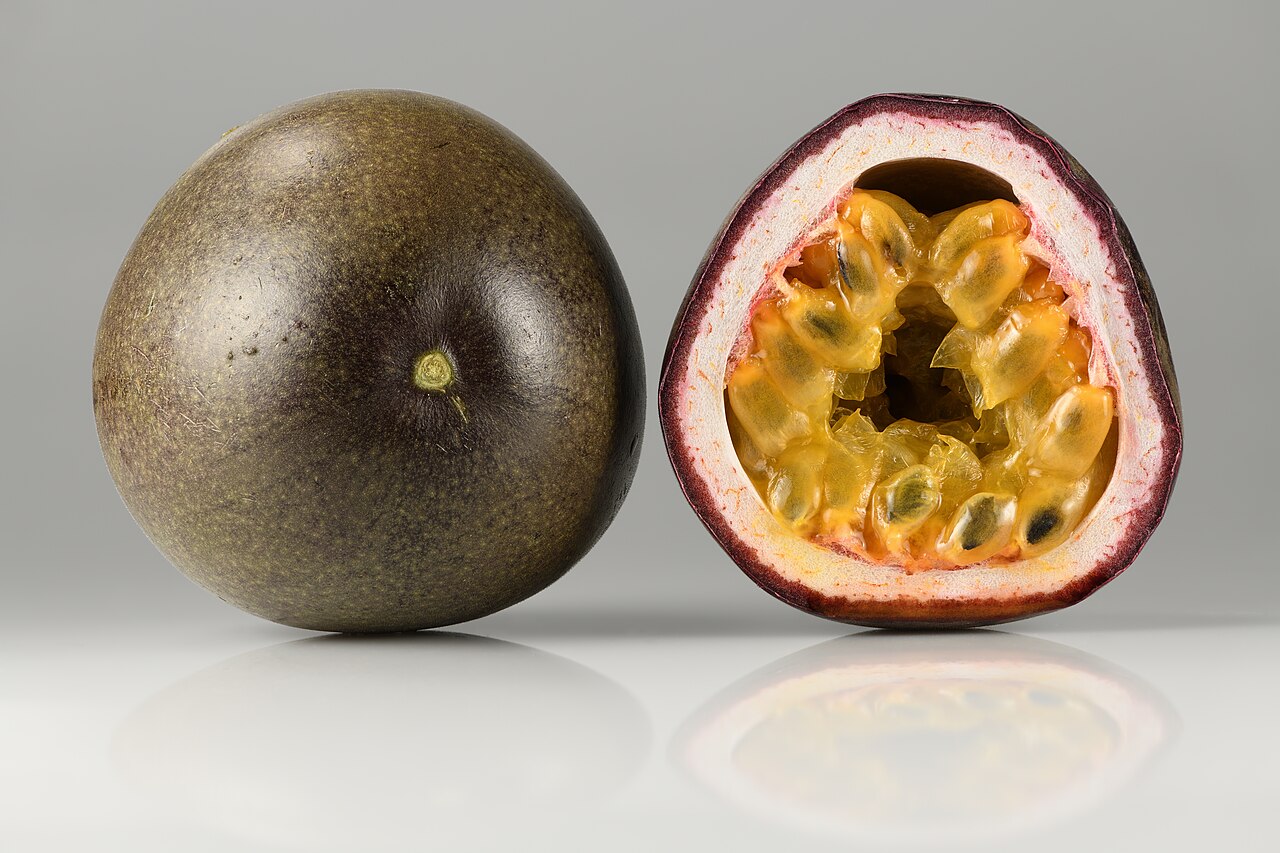
The ministry is carrying out emergency control measures to stop the spread of the pumpkin fruit fly, which damages gourd-family plants. The period runs from April 14, 2025 to March 31, 2027. Designated fruits and vegetables cannot be taken out of the control area, such as the main island of Okinawa and Ie, Izena and Iheya villages, to outside the prefecture.
In the ministry’s leaflet dated December 2, 2025, the following are given as examples of items that cannot be taken out.
- Fruits: passion fruit, papaya, guava, dragon fruit, jackfruit, rose apple and Malay rose apple, plum, sapodilla, noni, and others
- Vegetables: bitter melon, pumpkin, zucchini, loofah, watermelon, other gourd-family plants, green beans, chili peppers, bell peppers, tomatoes, cherry tomatoes, and others
In other words, passion fruit, dragon fruit, bitter melon, watermelon and tomatoes cannot be taken home as they are. Many of these are things you might easily buy at a farm market, so be careful. The leaflet says okra, lettuce and eggplant can be taken out. Sweet potatoes, including red sweet potatoes, are covered by a separate rule and may only be taken out if they have been disinfected.
The full list of target plants can be checked on the ministry’s page “Emergency Control of the Pumpkin Fruit Fly” and the list PDF linked from it. Areas and plants can change, so check again just before your trip.
Fruit You Can Take Out, and the Inspection Certificate
The same leaflet says mango, banana and pineapple can be taken out. The ministry’s Q&A for travelers also answers the question “Can I take mangoes and pineapples home as souvenirs?” with “You can.” Fruit, juice and seeds of shikuwasa (Hirami lemon) can also be taken freely. Seedlings and young trees, however, may only be taken out if they have passed inspection.
The leaflet also says that items with a “Movement Restriction Plant Inspection Certificate” attached to the outside of the box can be taken out. We could not confirm how to get inspected, how processed products such as juice and jam are treated, or how mailing and courier shipping work. If you are unsure, the surest way is to call the following offices.
| Naha Plant Protection Office | 098-868-1679 |
|---|---|
| Naha Airport Branch Office | 098-857-0054 |
If You Are Taking Fruit Abroad
If you are a visitor from overseas or are heading abroad, the rules of the country you are bringing it to also matter, in addition to Japan’s restrictions. The ministry’s guidance says that, when taking plants from Japan to another country, you may not be able to take them depending on that country’s conditions, and it asks you to check the destination country’s conditions first. Depending on the conditions, an export inspection at a plant protection station may be needed. Major airport terminals have “export quarantine counters,” and the ministry recommends consulting by phone in advance.
Entry quarantine rules differ by country and we have not checked them one by one. Whether you are bringing fruit to Taiwan, Korea, Hong Kong, the United States or anywhere else, please check the guidance of the plant quarantine authority of your destination before you depart. Fruit that is banned in Okinawa may also be covered when you head overseas, so please ask the Naha Plant Protection Office to be sure.
A Model Drive Around Zenzai and Fruit
From Naha to the South: A Half-Day Plan
Here is a half-day example that combines zenzai, lunch and a farm market, starting with a car from our Naha Airport store. Travel times vary with traffic, so the times are only a guide.
| 11:00 | Pick up your car at the Naha Airport store and head toward Itoman |
|---|---|
| 12:00 | Lunch and dessert at Inamine Hiyashimono-ten (closed Tuesdays) |
| 14:00 | Look at fruit and vegetables at Umanchu Ichiba |
| 15:30 | On the way back toward Naha, stop at Toyosaki Nana-iro Batake |
| 17:00 | Refuel and return to the Naha Airport store (open 8:00-20:00, every day of the year) |
If you plan to visit the Sea, look up coin parking around Makishi in advance.
To the North: Pineapple and Farm Markets
If you want to enjoy pineapple, Nago in the north is a good candidate. Information on Nago Pineapple Park is in our Nago article, and a 2-day, 1-night route through the north is in our northern Okinawa 2-day drive article. In JA Okinawa’s table, pineapple is produced from May to July. At other times it may not be on the shelves.
Souvenir Sweets Have Their Own Article
If you would rather bring home sweets than fresh fruit, please also see our article on Okinawa souvenir sweets and driving. It is written from the viewpoint of choosing souvenirs.
Carrying Fruit in the Car
A car in the tropics gets hot even in a short time. Do not leave fruit or cold items in the car for long periods. Doing your shopping last at the market and then heading straight to the return makes spoilage less likely. A cooler bag or ice pack is handy.
Do not forget to refuel before returning the car. After you return it at the Naha Airport store, we take you to the airport by free shuttle. Allowing time to check the fruit take-home rules and pack your things, we recommend getting back to the store well before your flight.
Enjoy a cold zenzai, look for fruit in season, and check the rules before you take anything home. With a car, there are many more ways to enjoy Okinawa’s food. UMUI Rent a Car welcomes you with a free shuttle from Naha Airport to our store. Please consider us for your zenzai-and-fruit trip.
* The information in this article, including hours, prices and regulations, is as of October 2026. Opening hours, closed days and the items covered by plant quarantine may change. Please check the official information of each shop, JA Okinawa and the Plant Protection Station of the Ministry of Agriculture, Forestry and Fisheries before you go and before you take fruit home. Travel times assume no traffic.
Photo credits: Wikimedia Commons (CC BY 3.0 / CC BY-SA 4.0 / Public domain). The photographer is credited in each caption. Featured image: Ivar Leidus / CC BY-SA 4.0.