When you come to Okinawa, you probably want to try Okinawa soba. But where are the good places, and what time should you arrive if some shops close once they sell out? Okinawa soba shops are not only near markets and sightseeing spots. They are also scattered through residential areas, along main roads and in coastal villages. With a car, you can fit each shop’s opening hours into your own itinerary.
This article covers the basics of Okinawa soba (noodles, soup, toppings, and the story behind Okinawa Soba Day), followed by shops in Naha, the south, the central area and the north whose opening hours, closed days and parking could be confirmed on official websites or tourism association pages. We do not rate the taste or rank the shops. Because many shops close when they sell out, we also explain how to plan your timing, how to order, and how to use koregusu (chili peppers soaked in awamori). For markets and other local dishes, see our article on Naha markets and Okinawan local food.
Okinawa Soba Basics: Noodles, Soup, Toppings and Okinawa Soba Day
The Noodles and the Soup
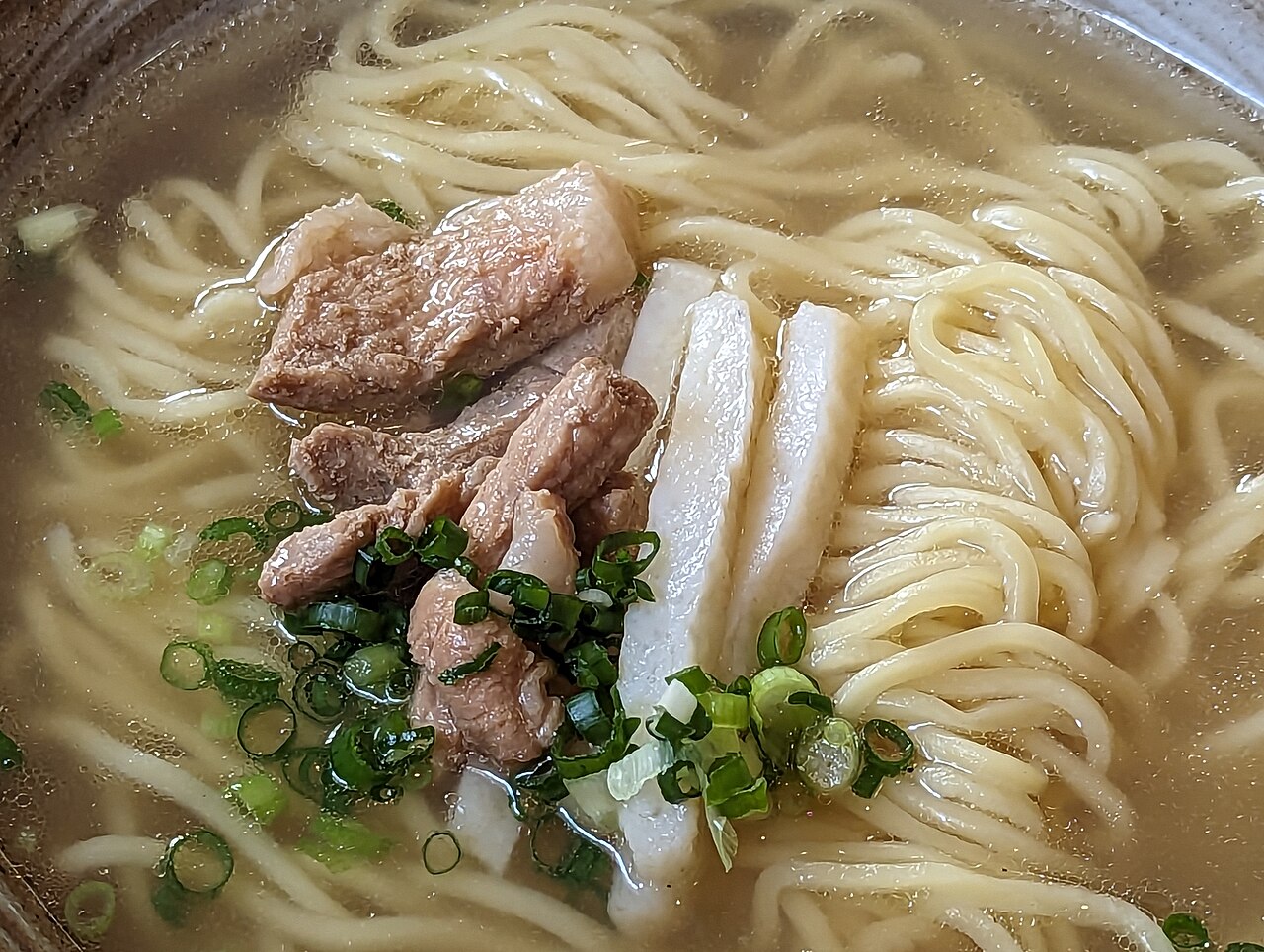
Okinawa soba is a noodle dish made without buckwheat flour. According to the Okinawa Fresh Noodle Cooperative (the association of Okinawa soba noodle makers), the noodles are made from 100% wheat flour with kansui (alkaline water) added, and are known for their firm, chewy bite. The same association divides the noodles into three broad types by region: flat, firm noodles preferred in northern Okinawa; medium-sized wavy noodles common around Naha and the south; and round noodles preferred on outlying islands such as Ishigaki. At the same time, the association says that in practice people seem to choose by personal preference more than by region. The noodles differ from shop to shop, so comparing them is part of the fun.
The soup is mainly made from pork and katsuo (bonito). The association’s Q&A describes two styles: a rich “pork bone” style simmered for a long time, and a lighter “bonito” style that uses plenty of dried bonito flakes. Some shops add chicken, kelp or shiitake mushrooms to create their own flavor.
Toppings: Sanmainiku and Soki
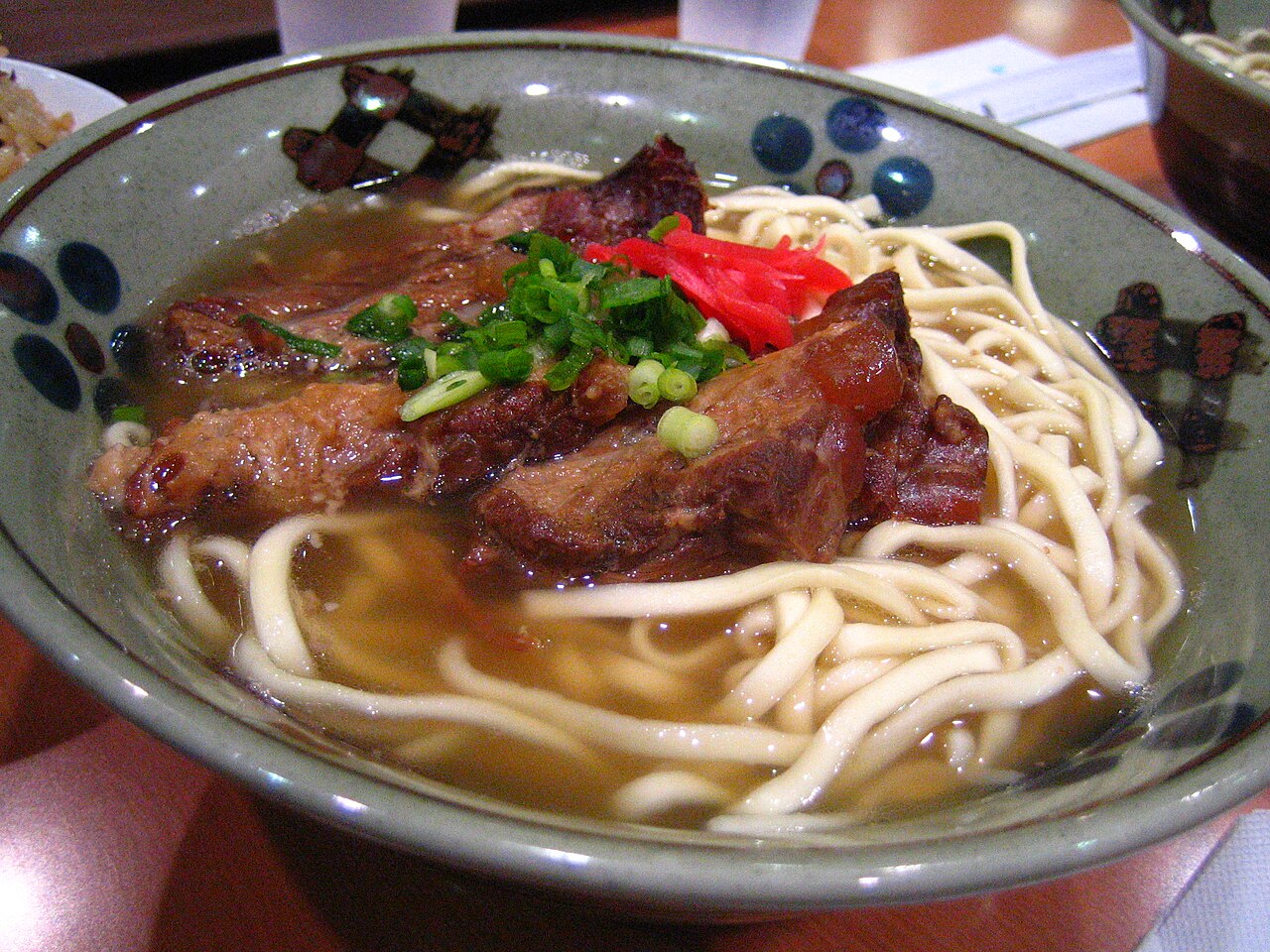
The standard toppings are sanmainiku, kamaboko, green onion and red pickled ginger. Sanmainiku is skin-on pork belly simmered slowly in sugar and soy sauce, and the association calls it an essential topping. The kamaboko (fish cake) is typically deep-fried, and its type is said to differ by region.
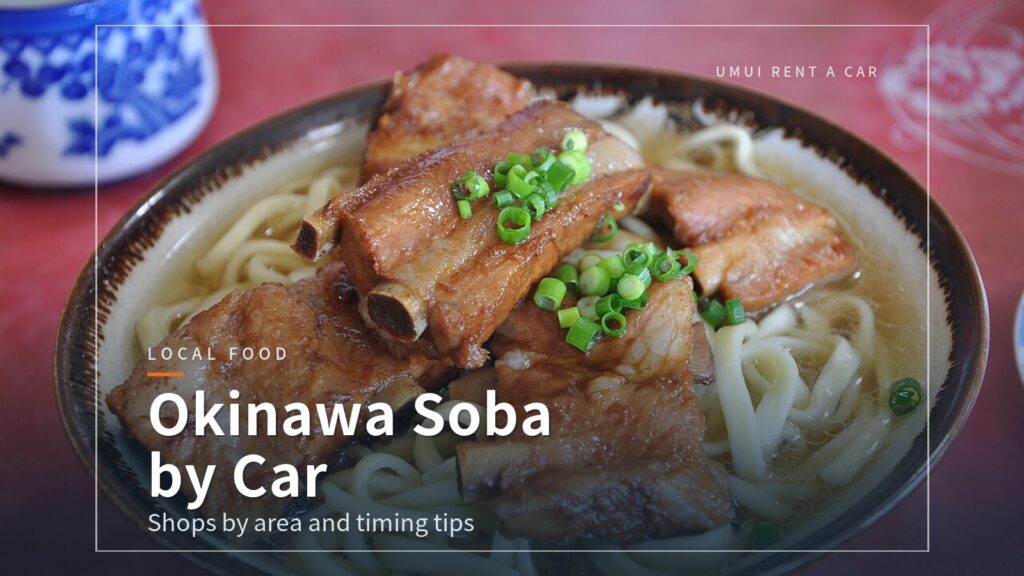
Okinawa soba topped with bone-in pork spare ribs (soki) is called “soki soba.” There are many other variations by topping, such as tebichi soba (pork trotters), nakami soba, vegetable soba and yushi-dofu soba (according to the association’s Q&A). If you are not sure what to order, starting with a simple bowl with sanmainiku may make the differences between shops easier to notice.
Okinawa Soba Day (October 17) and the Name
October 17 is “Okinawa Soba Day.” The Okinawa Fresh Noodle Cooperative’s website says it was established in 1997. The background, according to the association’s Q&A, is as follows. After Okinawa returned to Japan, the name “Okinawa soba” came close to being unusable because the noodles contain no buckwheat flour and so were considered not to be “soba.” The association kept campaigning to protect the name, and on October 17, 1978 (Showa 53) it received recognition of the name from the Fair Trade Commission. That date is the origin of the memorial day. (Some Okinawa Prefecture materials describe the name approved at that time as “Honba Okinawa Soba,” so the wording differs depending on the source.)
That is how Okinawa soba, which is called “soba” although it uses no buckwheat, came to keep its current name. According to the association, noodles are thought to have reached Okinawa from China 450 to 500 years ago, became established as court cuisine of the Ryukyu Kingdom, spread to ordinary people in the mid-Meiji period, and became a popular food in the early Showa period. The association also says that roughly 190,000 to 200,000 bowls are eaten every day.
Before You Drive: Timing and How to Order
Many Shops Close When They Sell Out
Several of the shops in this article officially say they close once they sell out. Some serve lunch only and close in the early afternoon, and it is not unusual for a shop to be closed two days a week. If you want to be sure to eat there, plan to arrive before noon. If you start looking only when you get hungry, the shop may already be closed.
Opening hours and closed days can change because of temporary closures or schedule changes. Check the official website or social media right before you go. The information in this article is as of October 2026.
How Many Shops in a Day, and Planning Your Route
Even one bowl of Okinawa soba is filling, so one or two shops a day is realistic. For example, after you pick up your rental car at Naha Airport, you could eat at a nearby shop before noon and head to sightseeing spots in the afternoon, which lowers the risk of arriving after a shop has sold out. Pairing a shop with sightseeing in the same area avoids wasted driving: Itoman and Nanjo in the south, Yomitan and Uruma in the central area, and Nakijin and Motobu in the north. For driving around Itoman, see also our article on the Itoman and south coast drive.
How to Order: Meal Tickets, Reservations and Payment
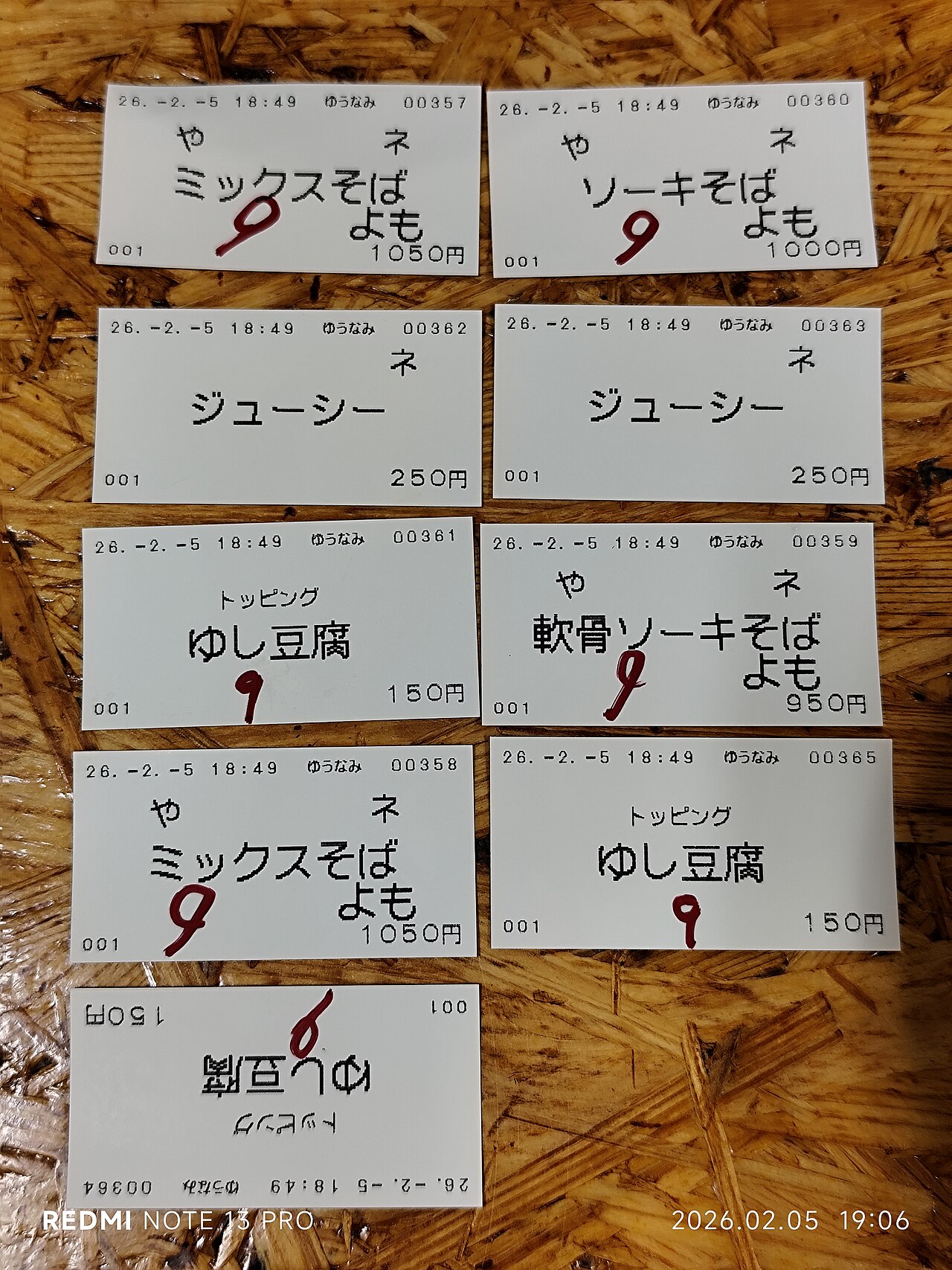
At some Okinawa soba shops you buy a meal ticket from a ticket machine near the entrance before sitting down, while at others you order verbally at your table. For example, Chimudondon in Motobu says on its official website that at lunch you buy a meal ticket from the ticket machine. Because the system differs from shop to shop, look for a ticket machine at the entrance before heading to a seat.
Most shops do not take reservations. In this article, the official websites of Sobe Soba, Ishigufu and Okinawa Soba Mine say reservations are not accepted and guests are served in order of arrival. Some shops accept cash only, so bring cash to be safe (Himeyuri Soba, Gushikawa Soba and Menya Marusho are cash only; Zakimi Soba accepts cash and PayPay; Chadokoro Makabe China accepts credit cards, electronic money and QR code payments in addition to cash).
Notes for Drivers
The number of parking spaces varies greatly from shop to shop, and lots can fill up at lunchtime. Please do not park in front of nearby shops or on vacant lots without permission. Some shops, such as Jagal Soba, ask on their official websites that customers refrain from parking nearby. For Okinawa’s driving rules, see also our article on driving rules for first-time visitors.
Naha Area: Shops in the City Near the Airport
Sobe Soba
This shop is in Sobe, Naha. According to its official website, it is open year-round except New Year and the Obon period (by the old calendar), and it stays open until 21:00 in the evening. If you miss lunch, you can still have it for dinner, which makes it one of the few shops with such wide hours. It has 40 free parking spaces, so it is easy to reach by car. Reservations are not accepted.
| Address | 沖縄県那覇市楚辺2丁目37-40 |
|---|---|
| Hours | 11:30-21:00 (last order 20:00) |
| Closed | Open year-round (except New Year and old-calendar Obon) |
| Parking | Yes (free, 40 spaces) |
| Notes | No reservations (per the official website) |
Ishigufu Oroku Gushi Branch
This Okinawa soba specialty shop in Gushi, Naha uses agu pork broth. Its official website says the shop closes when the noodles sell out. Hours differ by day of the week, and only on Wednesday does it close earlier. It has irregular closed days, and seating is in order of arrival. The official website does not state whether the shop has parking or how many spaces there are, so please call (098-858-0881) before you go.
| Address | 沖縄県那覇市具志3-21-5 |
|---|---|
| Hours | Mon, Tue, Thu-Sat 11:00-17:00 (last order 16:30) / Wed 11:00-15:00 (last order 14:30). Closes when sold out |
| Closed | Irregular |
| Parking | Not stated on the official website (please check with the shop) |
| Notes | No reservations (first come, first served) |
South Area: Shops in Itoman and Nanjo
Nanbu Soba (Itoman)
This shop is listed in the Itoman City Tourism Association’s gourmet guide. It serves lunch only, closes when sold out, and is closed on Sundays. It has 30 parking spaces and is listed as fully non-smoking. It is a convenient lunch stop when driving around Itoman.
| Address | 沖縄県糸満市潮崎町3-2-2 |
|---|---|
| Hours | 11:00-15:30 (closes when sold out) |
| Closed | Sundays |
| Parking | Yes (30 spaces) |
| Notes | Fully non-smoking (per the Itoman City Tourism Association listing) |
Himeyuri Soba (Itoman)
This shop is across from the Himeyuri Tower and also serves other Okinawan dishes and set meals besides Okinawa soba. According to the Itoman City Tourism Association listing, it is open from 11:00 to 15:00 (last order 14:00) and closed every Wednesday (with occasional irregular closures). Payment is cash only, so have cash ready. Its location makes it easy to combine with sightseeing.
| Address | 沖縄県糸満市伊原192(ひめゆりの塔の向かい) |
|---|---|
| Hours | 11:00-15:00 (last order 14:00) |
| Closed | Every Wednesday (occasional irregular closures) |
| Parking | Yes (number of spaces not stated) |
| Notes | Cash only |
Chadokoro Makabe China (Itoman)
This is an old house with a red tile roof, built in 1891 (Meiji 24) and registered as a national Registered Tangible Cultural Property in 2005 (per the Itoman City Tourism Association listing). The menu includes Okinawa soba, nankotsu soki soba (with cartilage), jushi (seasoned rice) and Okinawan zenzai. It is open for lunch only, closes when sold out, and is closed on Sundays and Mondays. It is in a different place from the information center at Michi-no-Eki Itoman, so be careful when setting your GPS.
| Address | 沖縄県糸満市真壁223 |
|---|---|
| Hours | 11:00-16:00 (last order 16:00, closes when sold out) |
| Closed | Sundays and Mondays |
| Parking | Yes (number of spaces not stated) |
| Notes | Accepts cash, credit cards, electronic money and QR code payments |
Okinawa Soba Mine (Nanjo)
This shop is in Tamagusuku, Nanjo. Its official website says it does not take reservations and seats guests in order of arrival, and the current wait can be checked online via a QR code on the site. If your car navigation cannot find it, the site suggests entering “南城市中山130番地,” two doors away. Hours differ between weekdays and weekends or holidays, and closed days are irregular, so checking before you go is essential.
| Address | 沖縄県南城市玉城中山310-1 |
|---|---|
| Hours | Weekdays 11:00-15:00 / Weekends and holidays 10:30-15:00 (last order 14:30) |
| Closed | Irregular |
| Parking | Yes (21 spaces) |
| Notes | No reservations (first come, first served). The wait can be checked via the QR code on the official website |
Central Area: Shops in Yomitan and Uruma
Zakimi Soba (Yomitan)
This shop is in Zakimi, Yomitan Village. Its official website says it serves lunch only and closes when sold out. It is closed every Thursday and Friday, and may also have irregular closures. There is parking in front of the shop and a large open lot. If you are combining it with a drive to Yomitan’s Yachimun Village or Zampa Cape, our article on the Yomitan, Zampa Cape and Yachimun Village drive may also help.
| Address | 沖縄県中頭郡読谷村座喜味2958-8 |
|---|---|
| Hours | 11:00-16:00 (closes when sold out) |
| Closed | Every Thursday and Friday (occasional irregular closures) |
| Parking | Yes (in front of the shop and an open lot; number of spaces not stated) |
| Notes | Cash and PayPay |
Gushikawa Soba (Uruma)
This shop is listed on a member page of the Uruma City Tourism and Product Association, and is an Okinawan restaurant that has been running for about 30 years. It serves lunch only and closes at 14:30, so arriving early is safer. There are 10 parking spaces. Payment is cash only.
| Address | 沖縄県うるま市大田702-6 |
|---|---|
| Hours | 11:00-14:30 |
| Closed | Tuesdays |
| Parking | Yes (10 spaces) |
| Notes | Cash only (per the Uruma City Tourism and Product Association listing) |
Menya Marusho (Uruma)
This shop is in Hirayashiki, Katsuren. Its member page of the Uruma City Tourism and Product Association says there is a kids’ corner and free refills of iced coffee. It is closed two days a week, on Thursdays and Fridays, so check the day of the week. You can stop here as part of a drive toward the Kaichu Road or the Katsuren Peninsula.
| Address | 沖縄県うるま市勝連平敷屋430-2 |
|---|---|
| Hours | 11:00-14:30 |
| Closed | Thursdays and Fridays |
| Parking | Yes (10 spaces) |
| Notes | Cash only. Kids’ corner available (per the Uruma City Tourism and Product Association listing) |
North Area: Shops in Nakijin and Motobu
Nakijin Soba (Nakijin Village)
According to the shop’s official website, it is open from 10:00 to 16:30 (last order 16:00) and closes when the food runs out. The site announces that from September 2026 the closed day is the third Tuesday. On the other hand, the Nakijin Village Tourism Association page lists hours of 11:00-16:00 and irregular closed days, so the two differ. Please check the latest operating days on the shop’s official Instagram, which the official website points to. The tourism association page lists 30 parking spaces. It is conveniently located for combining with Nakijin Castle Ruins and Kouri Island.
| Address | 沖縄県国頭郡今帰仁村諸志181 |
|---|---|
| Hours | 10:00-16:30 (last order 16:00, closes when sold out) *Per the official website; differs from the tourism association page |
| Closed | Third Tuesday (from September 2026, per the official website) |
| Parking | Yes (30 spaces, per the Nakijin Village Tourism Association listing) |
| Notes | Yushi-dofu is available in limited quantities |
Okinawa Choju Soba (Motobu)
This shop is listed on the Motobu Town Tourism Association page. It is open from 11:00 to 16:00 (last order 15:30) and closed two days a week, on Mondays and Tuesdays. There is parking, but the number of spaces is not stated. The shop’s phone number is not on the page, so the Motobu Town Tourism Association (0980-47-3641, weekdays 9:00-17:00) is the contact. If you are stopping here on your way to Churaumi Aquarium or Kouri Island, the route in our article on the 2-day northern Okinawa drive may also help.
| Address | 沖縄県国頭郡本部町崎本部2795番地1 |
|---|---|
| Hours | 11:00-16:00 (last order 15:30) |
| Closed | Mondays and Tuesdays |
| Parking | Yes (number of spaces not stated) |
| Notes | Inquiries: Motobu Town Tourism Association (0980-47-3641, weekdays 9:00-17:00) |
How to Use Koregusu
What Is Koregusu?
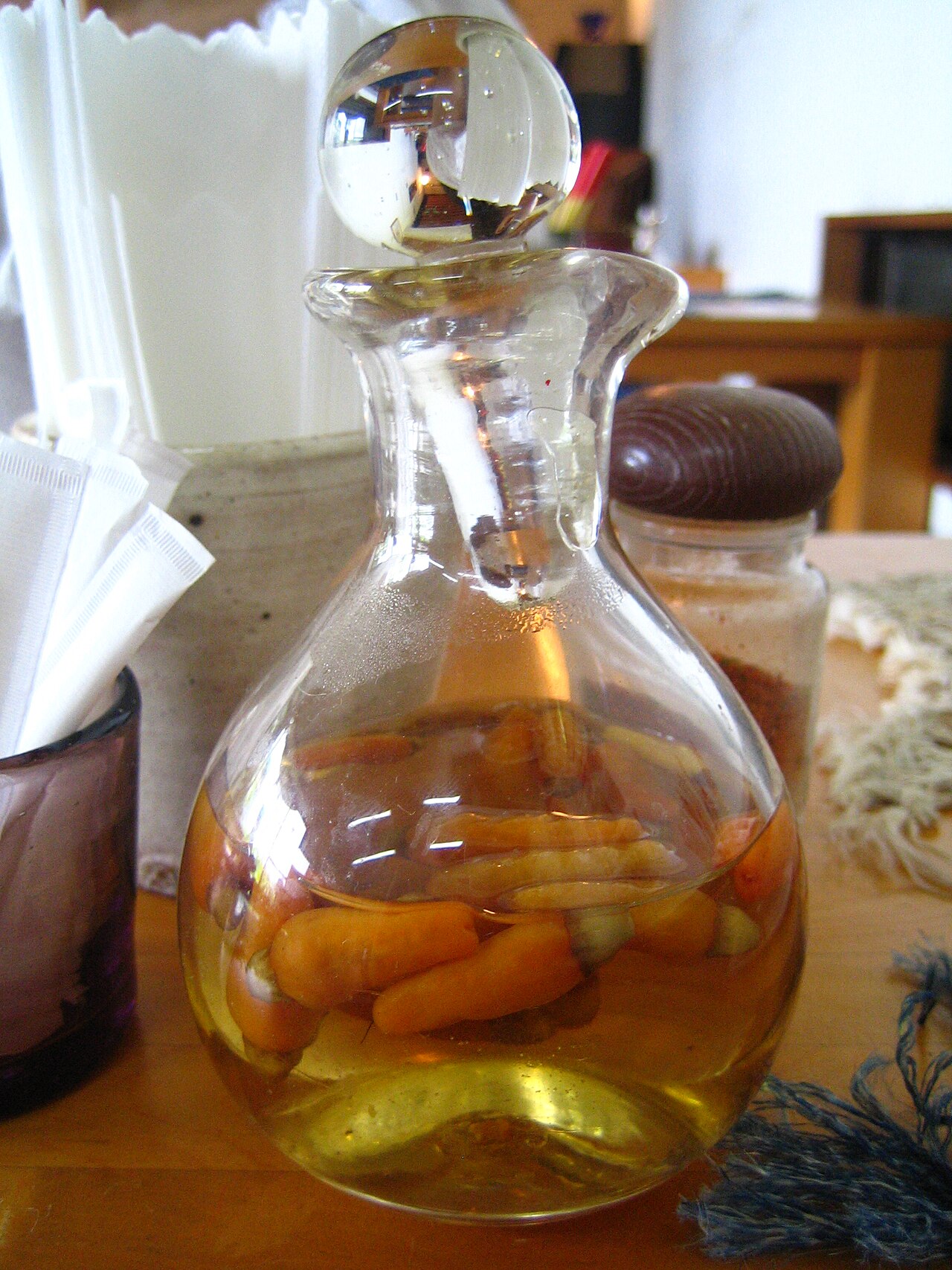
Koregusu is a condiment made by soaking island chili peppers in awamori. At Okinawa soba shops a small bottle is often on the table, so you can add a spicy kick after you start eating. The official website of Chimudondon has also published an article introducing koregusu.
How to Add It, and Notes for Drivers
In general, taste the first mouthful, then add a few drops at a time. If you add too much at once, the heat becomes strong and you lose the flavor of the soup. Stir until it dissolves and then taste again.
Because it contains awamori, drivers should use only a small amount, or choose not to add it if they are unsure. Drunk driving is prohibited by law, so do not let your guard down because it is “only a little.” We also mention the warning about drunk driving in our article on Naha markets and Okinawan local food. If you are with small children, keep the bottle out of their reach.
The noodles and soup differ from shop to shop, and even the same dish can leave a different impression each time. UMUI Rent-a-Car offers a free shuttle from Naha Airport to our shop. Please use us for a relaxed Okinawa soba trip by car, timed to the opening hours of the shops you are curious about.
* Opening hours, closed days, parking and other information in this article are as of October 2026. They are subject to change, so please check each shop’s official website or official social media before you go. For shops where sources disagree, we note that fact or do not list the item. Explanations of Okinawa soba are general characteristics based on the website of the Okinawa Fresh Noodle Cooperative and differ from shop to shop.
Photo credits: Wikimedia Commons (CC0 / CC BY 2.0 / CC BY-SA 2.0). The photographer is credited in each photo’s caption. Featured image: Banzai Hiroaki / CC BY 2.0