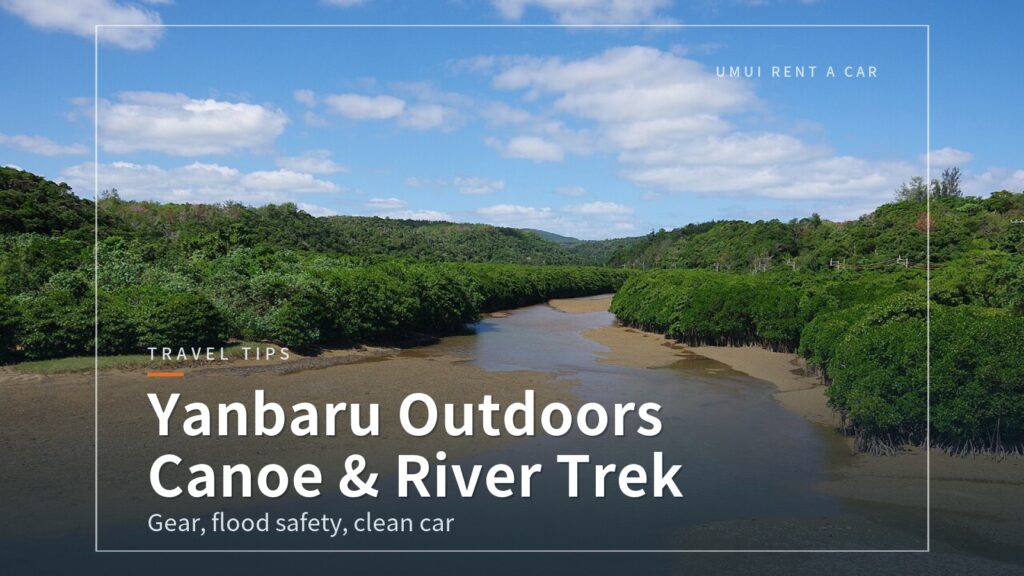
Do you want to get out into Yanbaru’s nature but feel unsure about what to prepare, because you have never tried canoeing or river trekking? In the Yanbaru area of northern Okinawa Island, there are places you can drive to and then get active in nature, such as the mangroves of Gesashi Bay on the east coast and Ta Falls in Ogimi Village.
This article covers drive times from Naha, official information on each spot, what to wear and bring, and how to think about bad weather. It also gives tips for keeping your rental car free of wet clothes and sand. Activity spots change their operations with the weather, so always check the official website or call for the day’s conditions before you set out.
Before You Drive to Yanbaru for Outdoor Activities
Drive times from Naha and how the spots relate
Gesashi Bay is in Higashi Village, on the east coast of the northern area. The official website of Higashi Village Fureai Hirugi Park gives the drive from Naha as about 100 minutes, and about 50 minutes from Kyoda IC. The route runs north on Route 58 from Kyoda IC, turns right at Genka in Nago City, then follows Prefectural Route 14 for about 11 km.
Ta Falls, on the other hand, is on the west side along Route 58, in Ogimi Village. OKINAWA STORY, Okinawa’s official tourism information site, lists about 2 hours from Naha Airport by local roads and about 25 minutes from Kyoda IC by local roads. Because Gesashi on the east coast and Ta Falls on the west side are in different directions, it is better to make one of them the main event and leave some slack, rather than squeezing both into a single day.
| Gesashi Bay (Higashi Village Fureai Hirugi Park) | About 100 minutes by car from Naha (park’s official guidance). About 50 minutes from Kyoda IC |
|---|---|
| Ta Falls (Ogimi Village) | About 2 hours from Naha Airport by local roads, about 25 minutes from Kyoda IC (OKINAWA STORY) |
All times assume no traffic. The north has many mountain roads and narrow village roads, so allow extra time.
Planning your day, and what follows
Canoe and kayak tours change their start times from day to day to match the tides. Ta Falls can be closed on some days depending on the weather. So rather than fixing “I will arrive at this time in the morning,” it is more realistic to book the activity first (or check that day’s open/closed status) and work backward to your travel time.
Below, we cover the Gesashi Bay mangroves, Ta Falls and other stops in that order, followed by what to wear and bring, how to judge flooding, and tips for keeping your rental car clean.
Paddling Through the Mangroves of Gesashi Bay
One of the largest mangrove forests on Okinawa Island
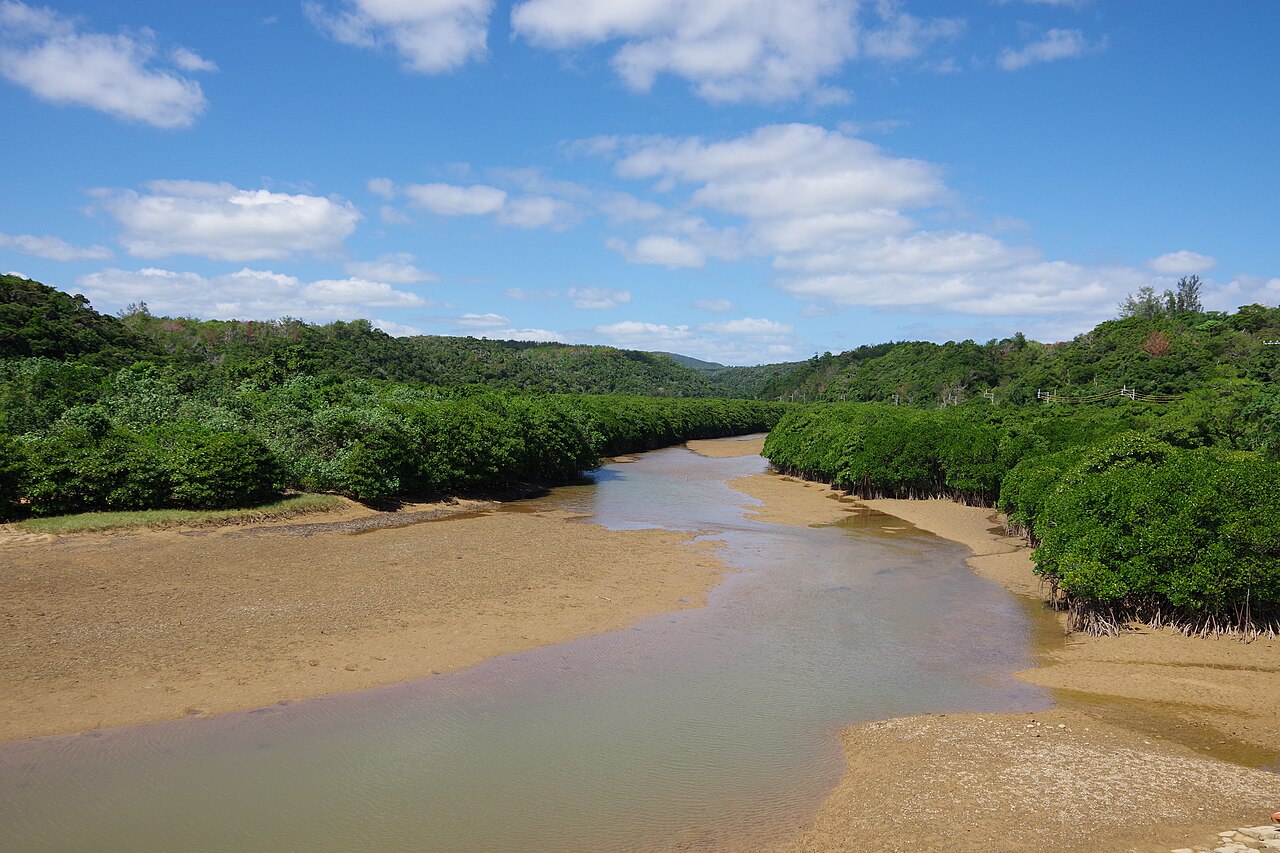
The Gesashi Bay mangrove forest covers about 10 ha at the mouth of the Gesashi River. The Ministry of the Environment’s Yanbaru National Park page introduces it as the largest mangrove forest on Okinawa Island. According to Higashi Village’s tourism guide, it marks the northern limit of the range of the Yaeyama mangrove (yaeyama-hirugi), and it is designated a National Natural Monument.
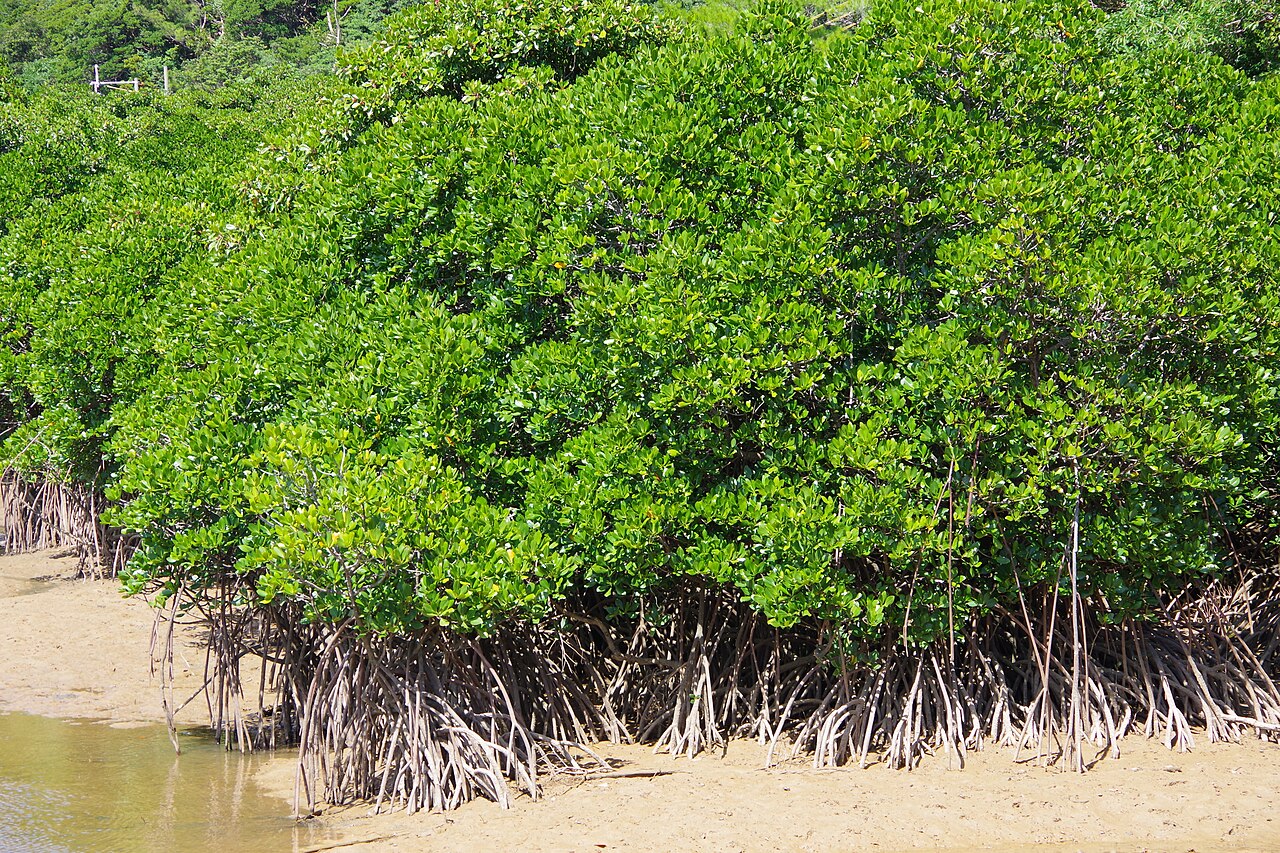
Along the river there are boardwalks and an observation deck for viewing the mangroves up close. Just looking from the walkways is satisfying enough, but getting close to the base of the trees from the river is something only a canoe or kayak can offer.
Higashi Village Fureai Hirugi Park (parking and basics)
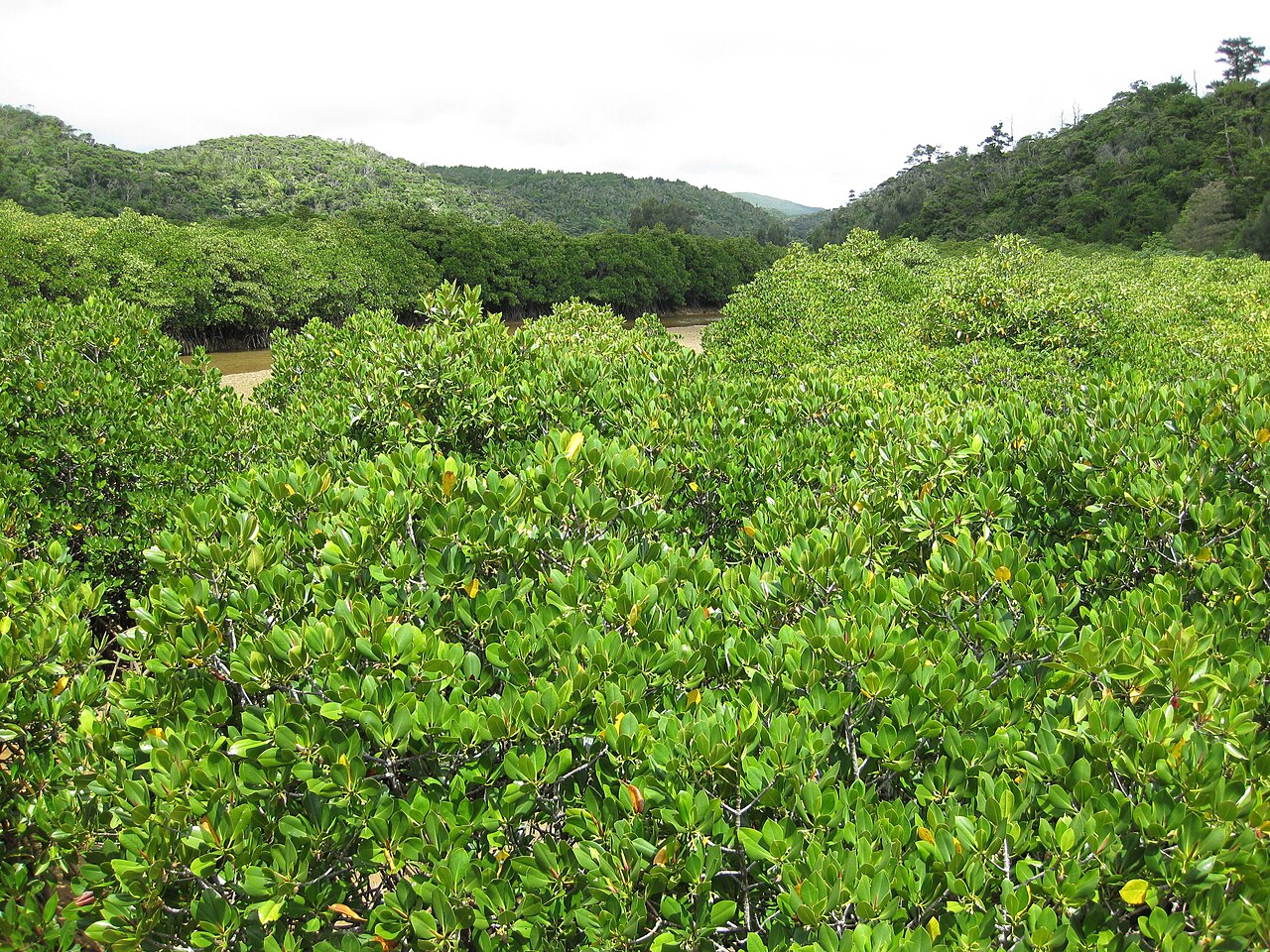
The gateway to the mangrove forest is Higashi Village Fureai Hirugi Park. According to the park’s official website, parking became paid from April 1, 2026, at 500 yen per car per entry per day (pre-paid at a ticket machine). No admission fee is listed, but an “Gesashi River Environmental Cooperation Fee” for upkeep is set at 50 yen per person as a rule for canoe-tour users and similar visitors.
| Address | 沖縄県国頭郡東村慶佐次54-1 |
|---|---|
| Office hours | 8:30-17:30 (from the park’s official website) |
| Parking | Paid (from April 1, 2026). Car 500 yen per entry per day, motorcycle 200 yen, vehicles seating 11 or more 2,000 yen |
| Environmental cooperation fee | 50 yen per person as a rule (for canoe-tour users and similar visitors) |
| Contact | 0980-51-2433 |
| Access | About 100 minutes by car from Naha, about 50 minutes from Kyoda IC |
We could not confirm the number of parking spaces on the official website, so arrive with time to spare before your tour’s meeting time.
Canoe and kayak tours, and the tide schedule
The park’s official website links to the booking page for the mangrove canoe tour by Yanbaru Experience. According to the company, there are two courses: a Short course of about 1.5-2 hours and a Long course of about 2.5-3 hours (as of October 2026).
| Short course | Adult 7,000 yen, child 6,000 yen (age 3 to elementary school). About 1.5-2 hours. Ages 3 and up |
|---|---|
| Long course | Adult 9,500 yen, child 8,500 yen (age 5 to elementary school). About 2.5-3 hours. Ages 5 and up |
| Flow (an example from the operator) | Paddling briefing (about 20 min) → on the water (about 70 min) → finish at the park |
| Meeting place | Higashi Village Fureai Hirugi Park. The exact spot is sent by email from the guide operator after booking |
| Group size | 1-10 people |
| What to wear and bring | Clothes and shoes that can get wet, a hat, a drink. A waterproof case for valuables is recommended |
The key point is that tour start times change from day to day with the rise and fall of the tide. You will see the time when you book, so work backward from it to decide when to leave Naha. Children 12 and under must be accompanied by a guardian, and pregnant women cannot take part. People who are unwell, or who drank heavily the day before, are asked to tell the staff in advance.
If weather or sea conditions are judged unsafe, the tour is cancelled. With this operator, you are notified by email by 5:00 p.m. the day before, and a cancellation by the guide or organizer brings a full refund (operator’s guidance). Other canoe operators also work in Higashi Village, but prices and conditions differ by operator, so check each one before booking.
Park rules (to protect the mangroves)
The park’s usage guide spells out rules to follow. Do not step into the mangrove forest or onto the tidal flats; do not collect plants or animals, feed wildlife or fish; do not walk around in only swimwear or bare-chested; and take your trash with you. Wheeled vehicles such as bicycles and skateboards cannot be used on the boardwalk, and pets cannot be taken onto it.
If you bring your own canoe, SUP or drone, you must sign a user consent form at the office and receive a permission stamp. A tour with an experienced guide is safer than bringing your own gear.
Wading Up the River to Ta Falls (Ogimi Village)
What kind of place is Ta Falls?
Ta Falls is a waterfall along the Hennan River (Hirananagawa) in Ogimi Village. OKINAWA STORY introduces it as a place for trekking in the Yanbaru forest and playing in the plunge pool. You walk up the river itself to reach the falls, about 30-40 minutes one way from the parking lot. In places the water comes up to your knees, so it is closer to climbing a stream than to a riverside walk.
According to the tourism association, Ta Falls involves going up the river and climbing rock faces. Even when no disaster warning has been issued, there are life-threatening dangers such as sudden flooding from heavy rain, falling rocks, falling trees and slips, and it is described as a place to visit only with sufficient safety preparation. It is not somewhere to go with a casual water-play mindset.
Hirananagawa Ta Falls parking lot and check-in
You enter Ta Falls from the Hirananagawa Ta Falls parking lot, managed by the Ogimi Village Tourism Association. The association’s website announces that parking fees were revised on April 1, 2025, but the amounts are shown only in an image, so we could not confirm them in text. Reception hours are also written differently on the Ta Falls official website, so calling ahead is the safest way to check.
| Address | 沖縄県国頭郡大宜味村字津波1570-1 |
|---|---|
| Hours | 8:00-17:30 (last entry 16:30), closed in severe weather (OKINAWA STORY). The Ta Falls official site gives reception hours in two ways, 9:00-16:00 and 8:00-16:00, so please confirm by phone |
| Parking | Yes (paid. Fees were revised in April 2025; check the amount with the tourism association) |
| Contact | Hirananagawa Ta Falls parking lot 080-9851-0359 / Ogimi Village Tourism Association 0980-50-5707 |
| Access | About 25 minutes by local roads from Kyoda IC, about 2 hours by local roads from Naha Airport |
The Ta Falls official website posts whether entry is open. The tourism association announced that it had closed after the heavy rain of November 2024 and reopened from November 23. Because entry can stop after heavy rain, check the official website the day before and on the morning of your visit.
Do you need a guide? Thinking about going on your own
We found no statement on the Ta Falls official website that you may enter only with a guide. The same site does state, however, that visitors bear responsibility for water accidents. If you are a first-timer or feel unsure, it is safer to use a guided-tour operator and leave the judgment about water level and weather to them.
The conditions here are only what we could confirm on official sites. Age limits and detailed clothing rules may differ by operator and season, so please ask directly when you book or check in.
Other Stops: Hiji Falls and the Kuina no Mori Rail Center
Hiji Falls (see our existing article)
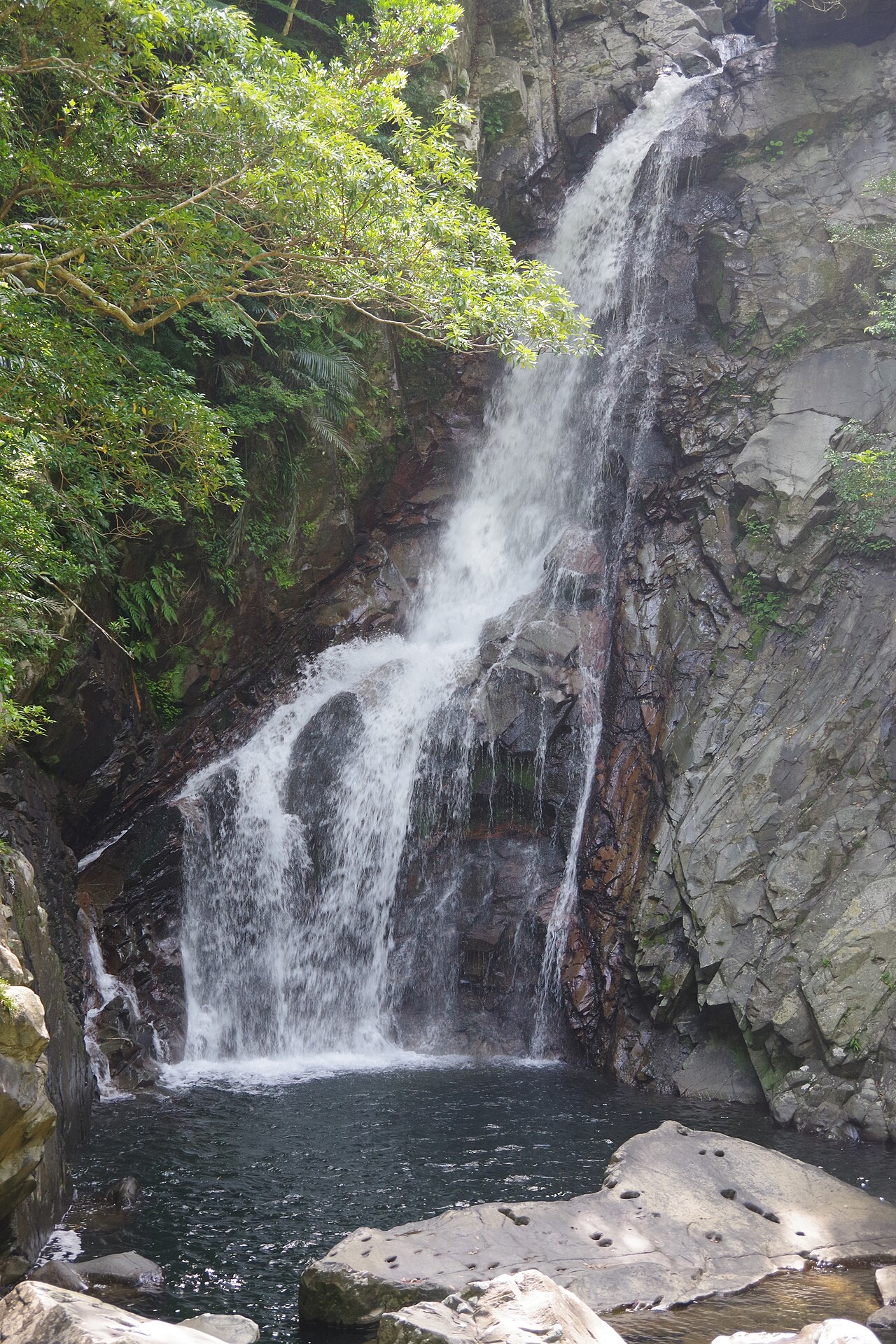
Hiji Falls in Kunigami Village is known as the waterfall with the greatest drop on Okinawa Island. We cover the walking trail and surroundings in Yanbaru Day Trip by Car: Cape Hedo and Daisekirinzan from Naha, so we keep this short.
Note, however, that the Ministry of the Environment’s list of Yanbaru National Park attractions carries a note for Hiji Falls reading “closed due to the impact of the heavy rain disaster of November 2024 (period undecided).” Before you go, check the latest status with Kunigami Village or the Hiji Falls campground (0980-41-3636).
Yanbaru Rail Exhibition and Learning Facility “Kuina no Mori”
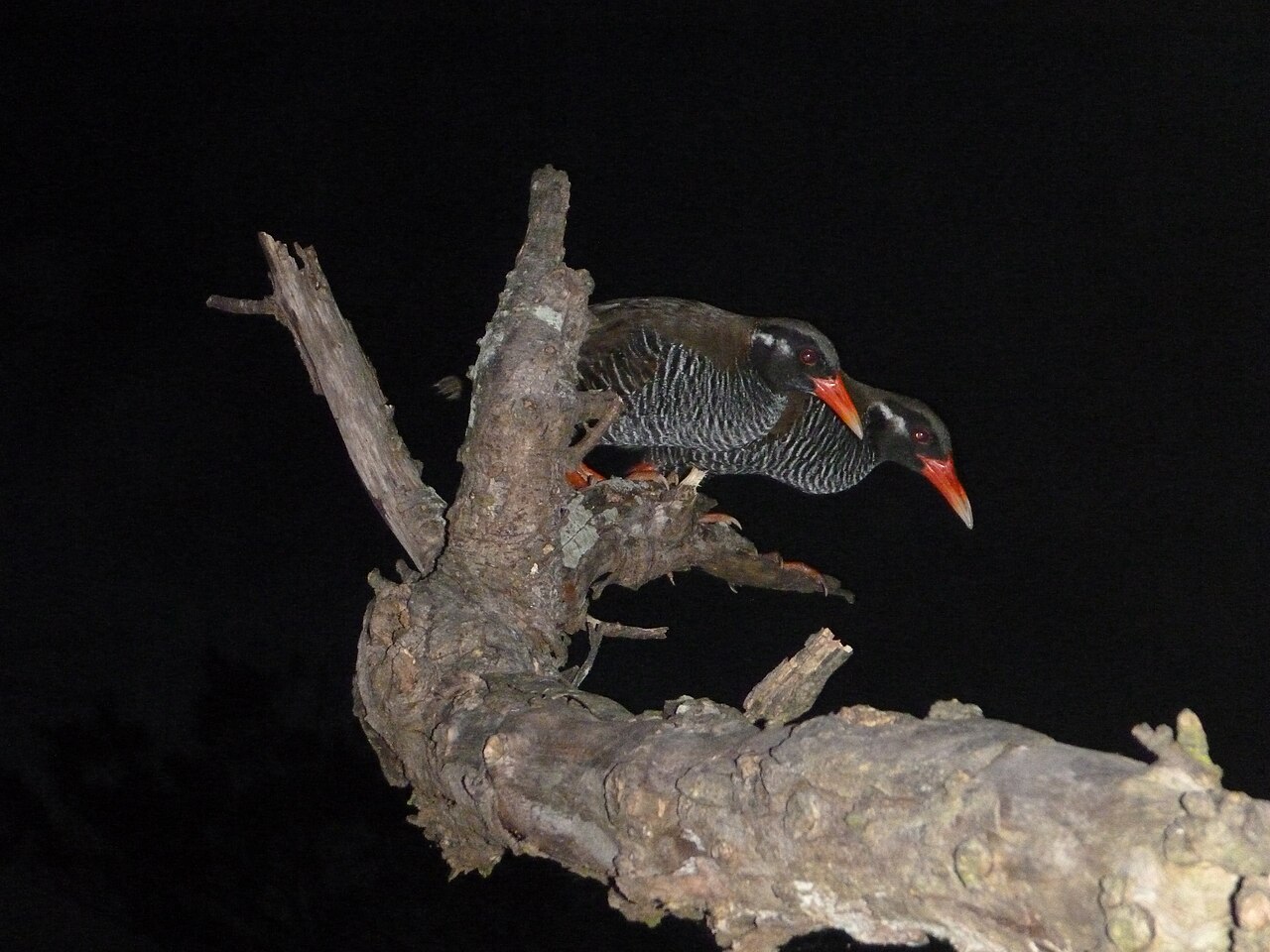
This facility in Ada, Kunigami Village, lets you observe the Okinawa rail (Yanbaru kuina), which is hard to meet in the wild, up close in a recreated habitat. There is also a corner of materials explaining the bird’s ecology and habitat, which can stand in on a day when rain keeps you from outdoor activities.
| Address | 沖縄県国頭郡国頭村字安田1477-35 |
|---|---|
| Hours | 9:00-17:00 (last admission 16:30) |
| Closed | Every Wednesday (notices of changed hours or temporary closures when a typhoon approaches) |
| Admission | High school age and up 700 yen, elementary and junior high 300 yen, infants free (separate rates for Kunigami residents) |
| Contact | 0980-41-7788 |
The facility is closed on Wednesdays, so check the day of the week first when you plan. We could not confirm the parking capacity or the drive time from Naha on the official site, so check with your navigation and allow plenty of time.
The Okinawa rail and driving
On Yanbaru’s mountain roads, rare animals such as the Okinawa rail sometimes come out onto the road. Driving cautions are collected in our article on Okinawa driving rules. Drive at a speed that lets you stop beyond a curve, and if you see an animal, pass slowly at a safe spot.
What to Wear and Bring, and How to Judge Flooding and Cancellations
Clothing and packing checklist
Based on the official sites and operators’ guidance, preparation for each type of activity is as follows.
- For everything: Clothes that can get wet, a change of clothes, a towel, a hat, a drink, and a waterproof case for valuables.
- Canoe and kayak: Clothes and shoes that can get wet. If you get motion sick easily, bring medicine for it.
- Ta Falls: The Ta Falls official website recommends felt-soled shoes, a life jacket and a helmet, and says sandals and other footwear that comes off easily are dangerous. These items are said to be rentable at the parking lot. The tourism association also urges wearing a life jacket and marine shoes.
- Valuables: The Ta Falls official website advises not to bring valuables, since items lost in the river are often never recovered. Coin lockers cost 100 yen.
We could not confirm from official information whether showers or changing rooms are available around Ta Falls. The river is described as almost untouched, with no safety or rest facilities. Check in advance where you can change, and if there is nowhere, be prepared to change in the car.
Why the water rises suddenly, and criteria for calling it off
On August 6, 2022, a sudden rain turned the river at Ta Falls into a muddy torrent in about 10 minutes, the water level rose about 1.8 m, and a person died (Ryukyu Shimpo). The report notes that the weather can change abruptly even when the forecast is sunny. The tourism association urges people to check the forecast often, and if it starts to rain or thunder, to get away from the river and move to higher ground.
If the water starts to rise, you are advised not to force your way back along the river but to wait on high ground on the mountain side until the water recedes. The tourism association has been reported to refuse entry on rainy days and to watch the rain radar at the parking-lot office.
From these points, here are criteria for calling off your plan.
- The previous day’s forecast shows rain or thunder, or the sky looks threatening on the morning of your visit.
- The official website shows entry as closed, or you are refused entry at reception.
- Rain begins or thunder sounds during the activity (get away from the river and to high ground at once).
- The river turns muddy or the water seems to be rising.
Canoe tours may be cancelled depending on weather and sea conditions. Precisely because Ta Falls is a place you can enter on your own, do not go in if the weather looks even slightly doubtful. It also helps to have an indoor backup such as Kuina no Mori so you can reorganize your day.
In a typhoon or heavy rain
On days when a typhoon is approaching, Kuina no Mori also changes its hours or closes temporarily (from notices on its official website). UMUI Rent-a-Car’s typhoon policy is explained on our typhoon response page.
Keeping Your Rental Car Clean from Wet Clothes and Sand
Preparation before you get in
After canoeing or river trekking, your body and shoes are soaked, and sand and mud cling to you. If you get straight into the car, the seats and footwells get dirty easily. A little preparation helps.
- A large towel: Use it to dry off, and also to lay over the seat before you sit down.
- A change of clothes and a bag for the wet ones: Put wet clothes and swimwear in a waterproof or plastic bag to take with you.
- A bag for your shoes: Put sandy or muddy shoes and marine shoes in a bag so your footwell stays clean.
A picnic sheet or a waterproof seat cover makes it easier to keep the seat from getting wet. However, for seat covers that attach to the seat, please ask the store whether you may use them before you do.
Dirt inside the car, and our compensation rules
UMUI Rent-a-Car’s compensation page states that if accident, theft, breakdown, soiling, damage to interior equipment, burn marks on seats and the like during your rental means the vehicle needs repair or cleaning, you will be charged a non-operation charge (NOC) as compensation for lost business. It is 20,000 yen if you return the car under its own power, and 50,000 yen (plus towing) if it cannot move on its own. It also applies if a pet touches the seats directly and dirt or odor remains inside the car.
We could not find a cleaning fee in the rental agreement or the compensation page that applies only to sand or mud. Depending on how badly the car is soiled, however, the compensation above may apply. For details, see the compensation page and our separate article on NOC (Guide to rental car compensation and NOC).
A final check before returning
Before you return the car, check that no sand is left on the floor mats or under the seats and that no wet items have been left behind. On activity days, leave more spare time than usual before your return time so you can tidy up without rushing.
FAQ: Yanbaru Nature Activities
Can I do Gesashi Bay and Ta Falls on the same day?
By location, Gesashi is on the east coast and Ta Falls is on the west side along Route 58, so they lie in different directions. Both take time and energy, so we recommend centering the day on one of them. The durations we could confirm from official information are about 1.5-3 hours for the canoe at Gesashi and a river walk of 30-40 minutes each way at Ta Falls.
Is it okay if I am not used to driving?
The Okinawa Expressway runs as far as Kyoda IC, and Route 58 stays wide. Prefectural Route 14 toward Gesashi passes through hills, so plan to arrive before sunset. If you are uneasy about mountain roads at night, plan your day for daylight hours.
Can I still go if rain is forecast?
Ta Falls may refuse entry in rain, and canoe tours may be cancelled for weather. On a rainy-forecast day, build the plan around indoor visits like Kuina no Mori and move the activity to another day for safety.
Getting out into Yanbaru’s nature takes time to reach, but that is what lets you enjoy the scenery and the quiet at a relaxed pace. Secure your activity booking first, and change plans without hesitation if the weather looks doubtful; that is the best way to enjoy it safely. UMUI Rent-a-Car offers a free shuttle from Naha Airport to our store. Please consider us for your trip to the north.
* Hours, fees, rules and other information in this article are as of October 2026. They may change, so please check each facility’s or operator’s official website before you go. Travel times assume no traffic.
Photo credits: Wikimedia Commons (CC0 / CC BY-SA 3.0 / CC BY-SA 4.0). Photographers are credited in each caption. Featured image: Kugel / CC BY-SA 4.0