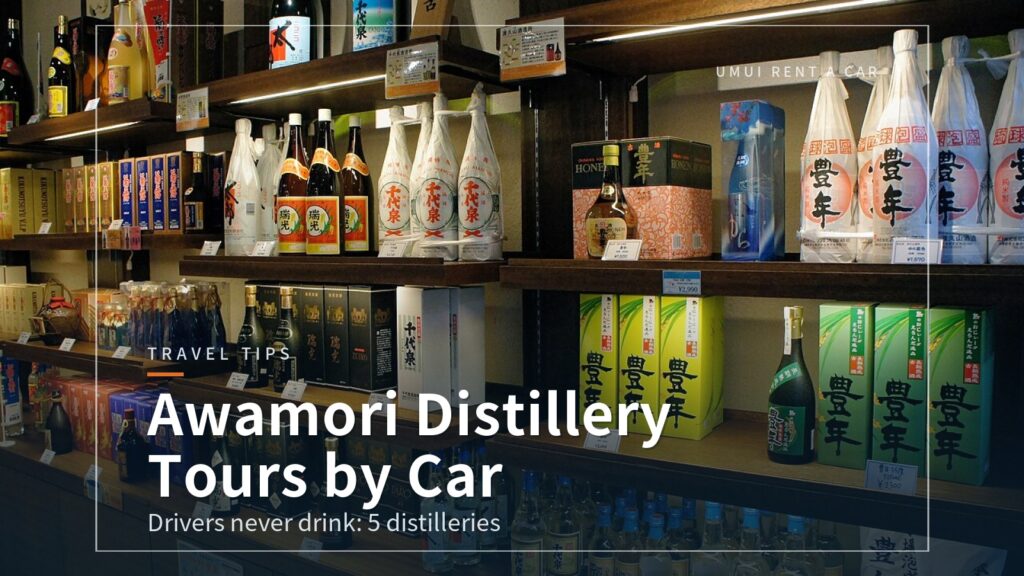
Thinking about visiting an awamori distillery in Okinawa, but not sure how that works when you are driving a rental car? Some distilleries offer tours of their production floors and of storage rooms lined with aging jars (kame), and they make a popular stop on a road trip. The catch is that distillery tours usually come with tastings.
This article is not about encouraging drinking. Its starting point is that the driver does not drink anything at all, tastings included. Below you will find the basics of awamori, five distilleries on the main island whose official websites confirm tour availability, hours and parking, the penalties for drunk driving, and what to know when carrying awamori home as a souvenir.
First, the basics of awamori
What is awamori?
The Okinawa Regional Taxation Bureau of Japan’s National Tax Agency describes awamori as a distilled spirit made from rice koji and water that has long been enjoyed in Okinawa. Only black koji mold is used for the koji, and distillation is done in pot-type (single-distillation) stills. It is a simple process, yet each distillery produces awamori with its own aroma and flavor. That is the highlight of a tour: the same ingredients and the same process, but a different character at every distillery.
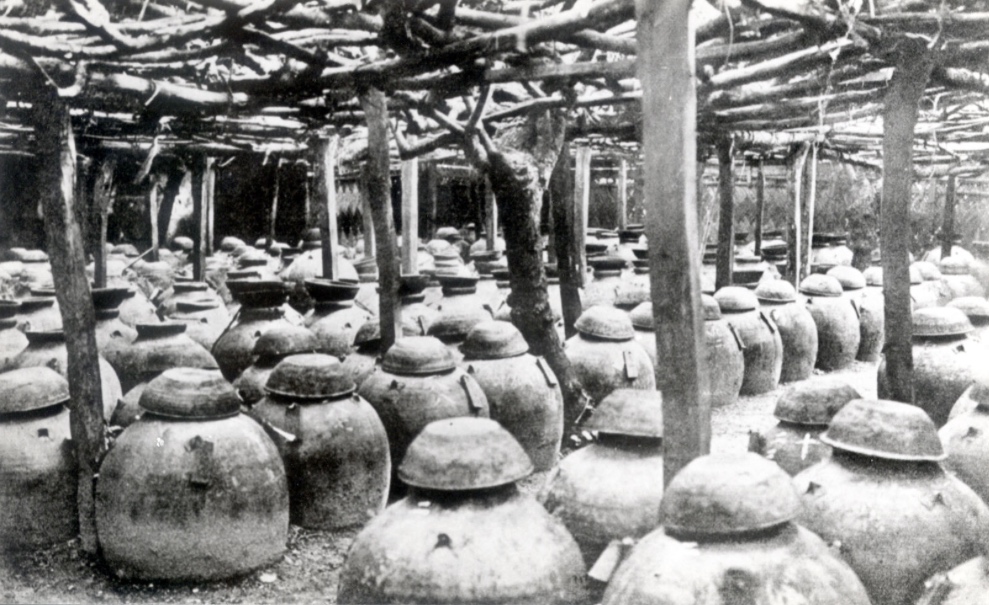
Kusu (aged awamori) and shitsugi
According to the Okinawa Regional Taxation Bureau, awamori aged for three years or more is called “kusu” (koshu, aged awamori). “Shitsugi” is a traditional method unique to aged awamori: after part of a long-aged batch is used, younger awamori is added to maintain the quality. Some distilleries also offer services that store your awamori in jars for aging.
What you can see on a tour
Tours differ from one distillery to another, but the official websites describe things such as explanations of the production process (videos or a production line seen through glass), jar storage rooms, exhibits on awamori history, and product displays at the on-site shop. Many distilleries mention tastings, but only people who are not driving can taste. The next section explains this in detail.
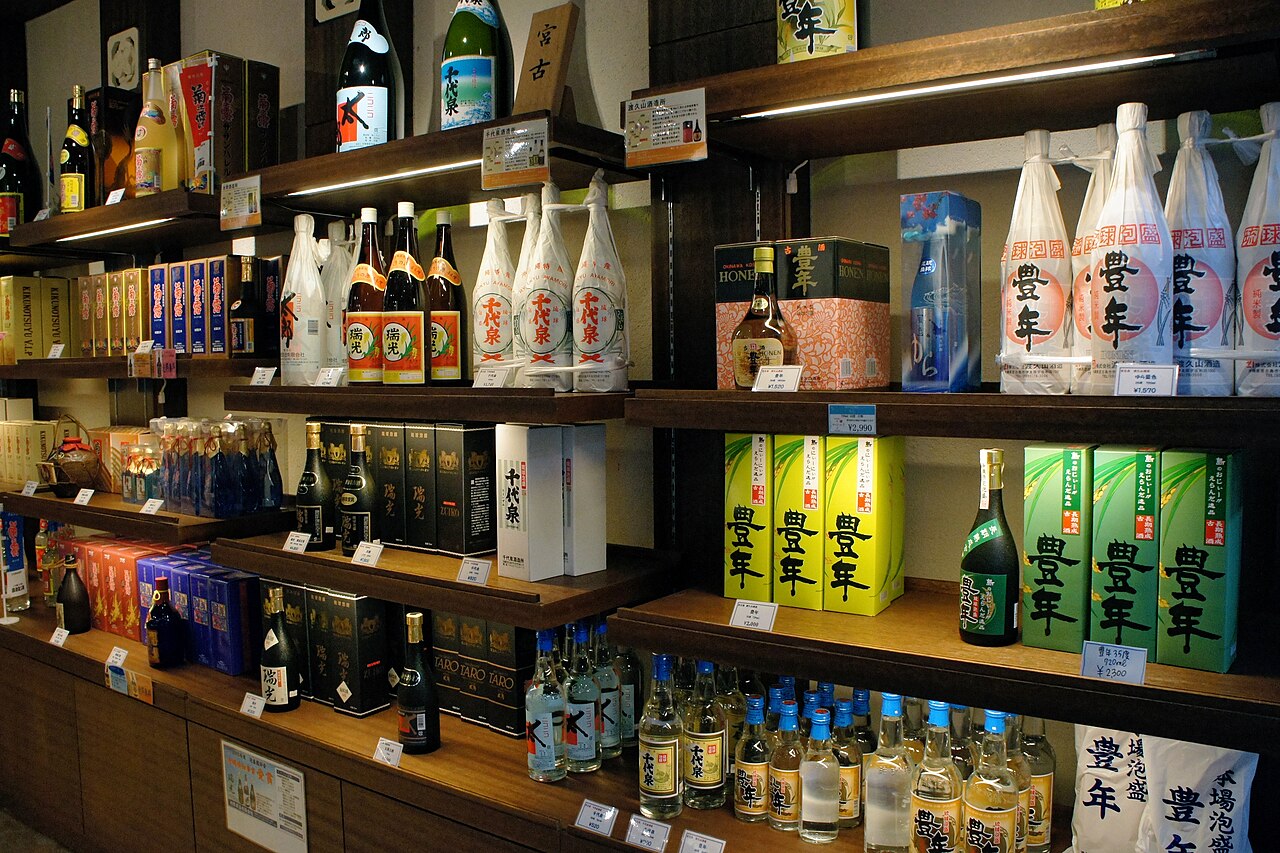
The most important rule: the driver does not drink at all
Penalties for drunk driving (from the National Police Agency)
According to the National Police Agency’s page “Never drink and drive, never let anyone drink and drive,” the penalty for the driver is imprisonment of up to 5 years or a fine of up to 1 million yen for driving while intoxicated (shuiu unten), and imprisonment of up to 3 years or a fine of up to 500,000 yen for driving under the influence of alcohol (shuki-obi unten). The penalties do not stop at the driver. People who lend the vehicle, people who serve alcohol, and passengers who ride along are also subject to penalties (if the driver was driving while intoxicated: lending a vehicle carries up to 5 years or 1 million yen, and serving alcohol or riding along carries up to 3 years or 500,000 yen. If the driver was driving under the influence: up to 3 years or 500,000 yen, and up to 2 years or 300,000 yen, respectively).
Administrative penalties are also severe. Under the standard for drivers with no prior record, driving while intoxicated leads to license revocation (3-year disqualification period), driving under the influence with a breath alcohol level of 0.25 mg/l or higher leads to license revocation (2-year disqualification period), and a level of 0.15 mg/l or higher but under 0.25 mg/l leads to a 90-day license suspension. The National Police Agency also notes that a revision of the Road Traffic Act that took effect on July 21, 2026 added a numerical standard for driving while intoxicated: a breath alcohol level of 0.5 mg/l or higher. “Just a little is fine” does not work in Japan.
Only passengers taste. The driver does not.
Before you set off on a distillery drive, decide who will be the designated driver, and agree that this person will not taste anything either. No “just one sip,” and no “just a low-alcohol liqueur.” Shinzato Shuzo’s tour information says it declines to serve alcohol to guests who arrive by car (the driver), and Yamakawa Shuzo’s tour information says that drinking by drivers is prohibited. The distilleries themselves operate on the premise that drivers are not served.
A driver can still enjoy the exhibits, the production line and the guide’s explanations, choose non-alcoholic products (some distilleries also sell moromi vinegar, for example), and enjoy shopping. A passenger who has tasted cannot take over the driving afterward, either.
It also affects your rental car coverage
On UMUI Rent a Car’s coverage page, accidents caused by drunk driving are listed among cases where the insurance and compensation system does not apply. The rental agreement also states that a vehicle cannot be rented to a person who is found to have consumed alcohol. For details, see our coverage page and our article on Japan’s traffic rules, Okinawa Driving Rules for Visitors.
Distilleries you can visit: Naha and the south
From here on, we introduce only distilleries whose own official websites confirm that tours are offered and give information on hours, reservations and parking. Conditions change easily, so please remember that whether a reservation is required and when visitors are accepted differs from one distillery to the next, and check the official website or call before you go.
Chuko Shuzo “Kusu no Mori Chuko-gura” (Tomigusuku)
This tour facility of Chuko Shuzo is a 10-minute drive from Naha Airport (according to the official website). It is described as letting visitors see a traditional hand-crafted awamori workshop, an aging cellar where many bottles of kusu rest, and a kiln that makes the jars. Guided tours run twice a day (10:00 and 14:00). Outside those times you are free to taste (non-drivers only) and shop. The official website says a reservation in advance makes the guidance go more smoothly. A reservation is required for groups of 10 or more and for visitors who use a wheelchair or need assistance.
It is also easy to reach: just 80 m from the Tomigusuku-Nakachi Interchange on the Okinawa Expressway. It fits well as the first stop on the day you land or the last stop before returning your car. If your car navigation cannot find it, the website suggests using “Chuko Shuzo,” the distillery across the road, as a landmark.
| Address | 沖縄県豊見城市字伊良波556-2 |
|---|---|
| Hours | 9:00-17:30 |
| Closed | Thursdays and January 1 |
| Tour / reservation | Guided tours at 10:00 and 14:00, twice a day. Advance reservation recommended (required for groups of 10+ and for wheelchair users or those needing assistance). Tel. 098-851-8813 |
| Parking | 50 spaces (free) |
| Access | About 10 minutes by car from Naha Airport (per the official website) / 80 m from Tomigusuku-Nakachi IC, Okinawa Expressway |
Awamori Masahiro Gallery (Masahiro Shuzo, Itoman)
This is the visitor facility of Masahiro Shuzo in Itoman, close to Naha Airport. The flow takes you through an explanation of awamori history, an explanation of the production process (with a video), a view of the actual production line through glass from the gallery, a collection of awamori on display, and a tasting corner, so you get a full introduction to awamori in one place. Because the visit takes place indoors, it also works well on rainy days.
A reservation is not stated as mandatory, but the official website says there is a benefit for those who reserve (please check the details on the official website). We could not confirm the tour fee on the official pages, so please check by phone or other means before you go. If you want to combine this with a seaside drive around Itoman, our Itoman and south coast drive article may help.
| Address | 沖縄県糸満市西崎町5-8-7 |
|---|---|
| Hours | 9:00-17:00 (last entry 16:30) |
| Closed | Year-end and New Year holidays (Dec. 30 – Jan. 4) |
| Tour / reservation | Reservations can also be made by phone (098-994-8080). A reservation benefit is offered (check the official website for details) |
| Parking | Available (room for 3 large buses) |
| Access | Set your car navigation by phone number or map code (23248359142) |
Distilleries you can visit: central and northern areas
Kamimura Shuzo “Kusu-gura” (Uruma)
At Kamimura Shuzo’s direct-sales shop “Kusu-gura” in Ishikawa, Uruma, an awamori distillery tour plan is offered. According to the official FAQ, the duration depends on the event you book but is about 60 minutes, and advance reservation is recommended (the site notes that, depending on how busy it is that day, they may not be able to accommodate walk-ins). Please check the tour fee and start times on the official reservation page before you apply.
The shop is open 10:00-17:00 and closed during Obon (the old-calendar Bon holiday) and the year-end and New Year holidays. It has 20 free parking spaces. It is a 5-minute drive from Ishikawa IC on the Okinawa Expressway (along Prefectural Route 6), so it is easy to stop at on your way north.
| Address | 沖縄県うるま市石川嘉手苅570 |
|---|---|
| Hours | 10:00-17:00 (official FAQ) |
| Closed | Obon (old-calendar Bon holiday) and the year-end and New Year holidays |
| Tour / reservation | Advance reservation recommended. About 60 minutes (varies by content). Tel. 098-964-7628 |
| Parking | Free, 20 spaces |
| Access | About 5 minutes by car from Ishikawa IC, Okinawa Expressway (along Prefectural Route 6) |
Tsukayama Shuzojo (Nago)
This small distillery makes the awamori “Kokka.” Its official website says the red-tiled building was built in 1928 and designated a nationally Important Cultural Property in 2009. The master brewer guides visitors in person, the tour is free, and no reservation is needed (large groups such as bus tours must reserve in advance). It is open every day of the year, with no temporary closures stated.
Guided visits start from 10:00, with a lunch break from 12:00 to 13:00. The closing time is written differently within the official website, so please confirm by phone if you plan to stop by in the late afternoon. If you want to combine this with sightseeing in Nago, see our Nago City drive article.
| Address | 沖縄県名護市大中1-14-6 |
|---|---|
| Hours | From 10:00 (lunch break 12:00-13:00). Check the official website for the closing time |
| Closed | Open year-round (no temporary closures stated) |
| Tour / reservation | Free, no reservation needed (reservation required for tour buses). Tel. 0980-52-2070 |
| Parking | 20 spaces |
| Access | Ōnaka, Nago. See the map page on the official website |
Yamakawa Shuzo (Motobu)
This Motobu distillery is known as “Koshu no Yamakawa” (Yamakawa, the aged-awamori maker). Since June 2025, the distillery tour has been reservation-only, with two courses. The 1,000 yen course covers the guided walk through the facility only, and the 3,000 yen course includes a souvenir and tastings. People under 20 can join only the 1,000 yen course, and students aged 18 or under are free.
You can see the bottling room, raw rice, mash room, moromi room, stills, tanks and jar storage, with a guide. Reservations are for groups of 5 or fewer, taken by phone (8:00-12:00 and 13:30-17:00). Tours are listed for 14:00-16:00 on Monday to Friday (about 30-50 minutes), and the distillery is closed on Sundays, during the summer break (the Obon period in August), over the year-end and New Year holidays, and at the old-calendar New Year. The official website does not state how Saturdays are handled, so please check when you reserve. The notes say that drinking by drivers is prohibited, so if you come by car, choose with the understanding that you cannot taste even on the 3,000 yen course.
| Address | 沖縄県本部町字並里58 |
|---|---|
| Tour hours | Mon-Fri 14:00-16:00 (about 30-50 minutes) |
| Closed | Sundays, summer break (Obon period in August), year-end and New Year holidays, old-calendar New Year (check for Saturdays) |
| Tour / reservation | Reservation required, 5 people or fewer. 1,000 yen course / 3,000 yen course (tastings and souvenir included). Tel. 0980-47-2136 |
| Parking | Available (a few cars) |
| Access | Motobu. If combining with the Churaumi Aquarium area, see the 2-day northern Okinawa article (link below) |
Distilleries where we could not confirm parking
The distilleries below offer tours, but we could not find any mention of parking on their official websites, so we left them out of the list above. If you go, please ask about parking when you reserve.
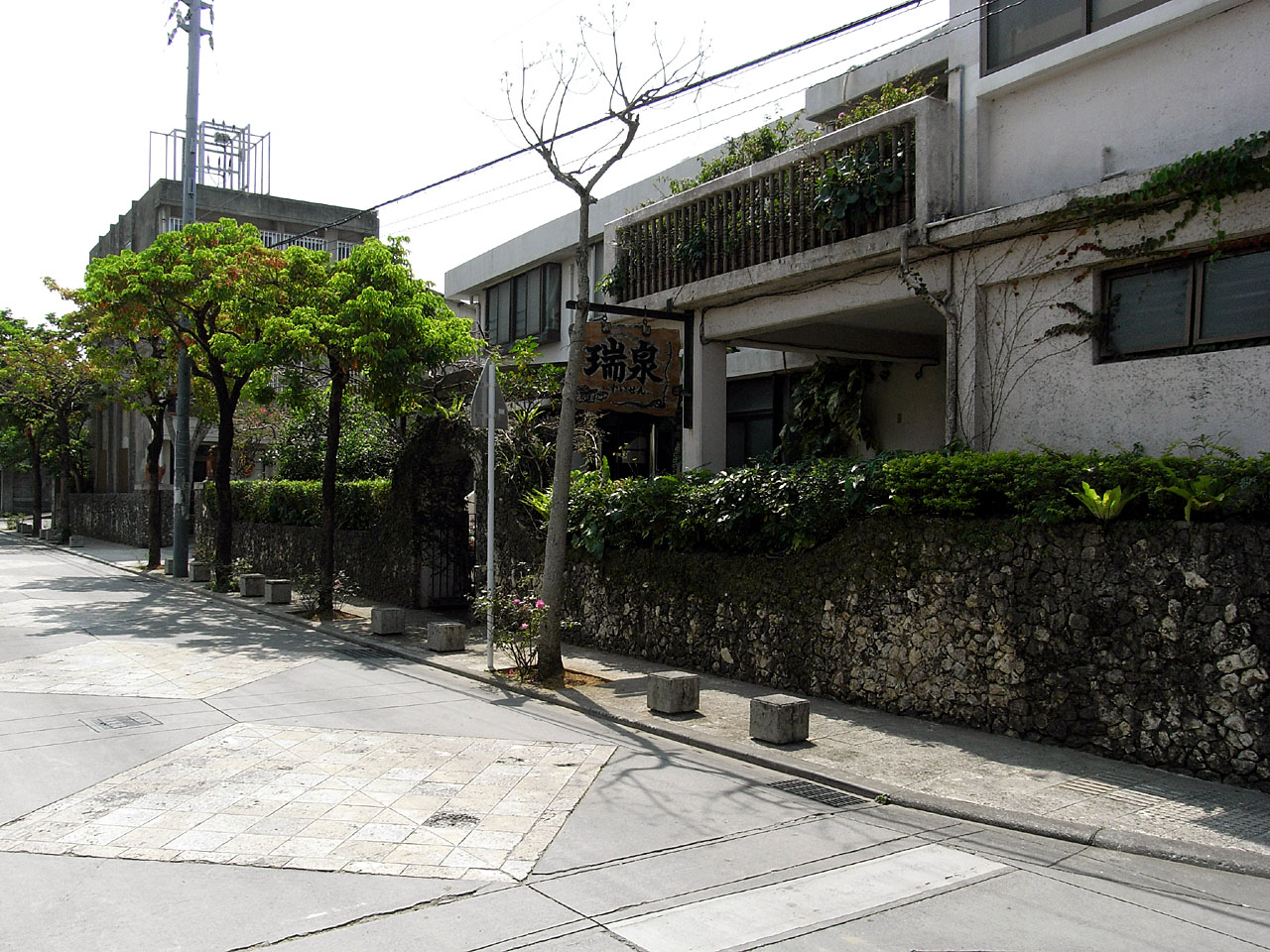
Zuisen Shuzo (Shuri, Naha)
This distillery is about a 2-minute walk from Shuri Castle’s Keiseimon gate. According to its official website, the visit is free and includes a video of about 10 minutes (Japanese, with English subtitles), a tasting comparison of aged awamori, and the chance to buy distillery-only products. Groups of 5 or more should reserve through the reservation form at least 2 business days before the desired date; others can walk in without a reservation. Because the business hours are written inconsistently within the official website and we could not confirm any parking information, we give only an outline of the visit here. If you combine it with a visit to Shuri Castle, it is realistic to leave the car in a parking lot near the castle and walk.
Sakiyama Shuzosho (Kin) and Shinzato Shuzo (Uruma)
Sakiyama Shuzosho takes weekday reservations only; tours start at 10:00, 11:00 or 13:30 and take 40 to 60 minutes (closed on weekends, public holidays, the year-end and New Year holidays, and Obon). Shinzato Shuzo offers tours Monday to Friday at 10:00 and 15:00 for 1,100 yen (free for under 20). Both require a reservation, and some distilleries, such as Shinzato Shuzo, decline to serve alcohol to drivers, so talk it over with your passengers before you apply.
Fitting a distillery visit into your drive
Distilleries have limited tour hours, and many are weekday-only or by reservation. Rather than dropping in between sightseeing stops, we recommend planning your day backward from the tour slot.
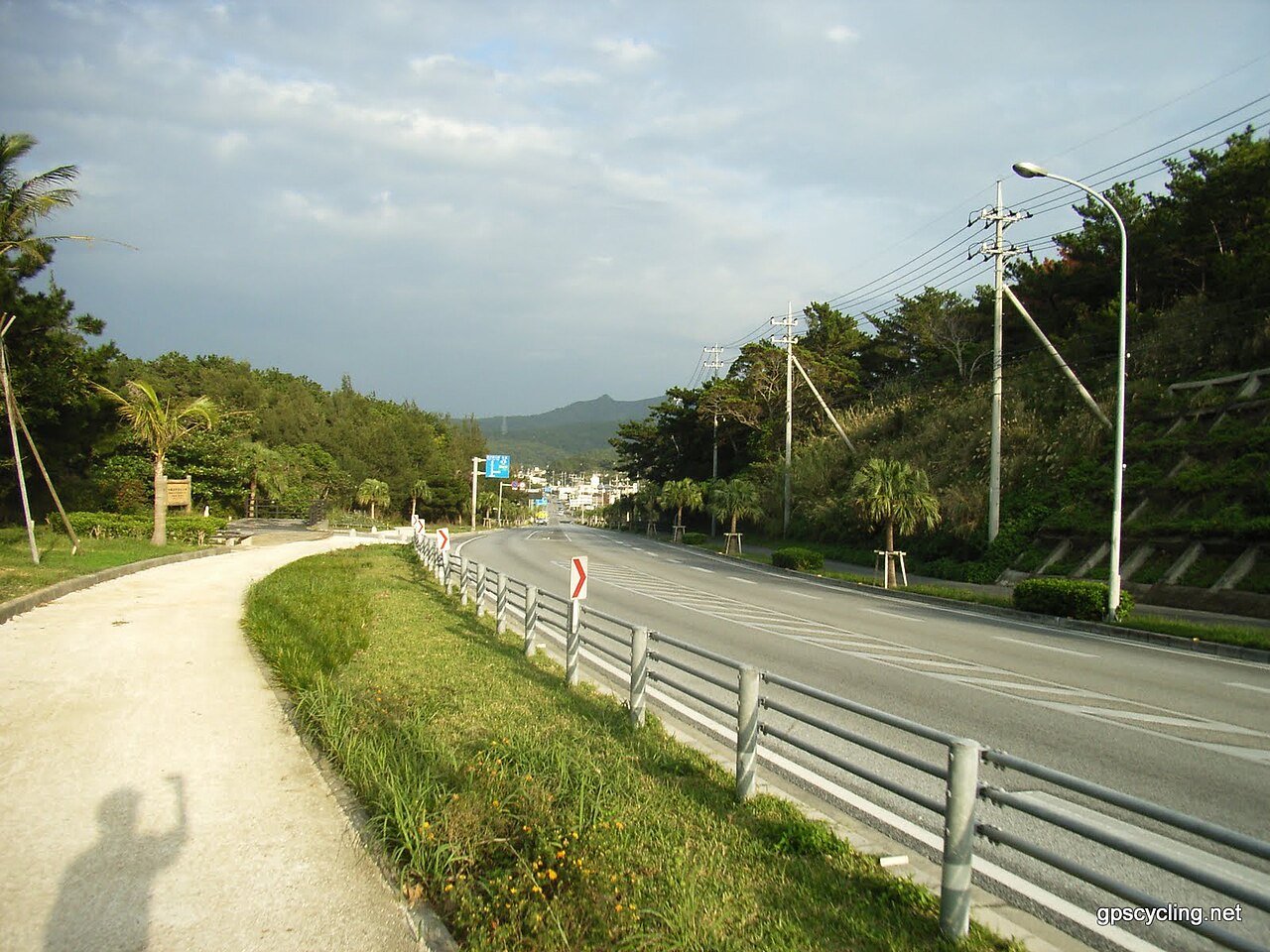
One or two distilleries a day at most
On the official websites, tours of about 30 to 60 minutes are common. Including travel and shopping, plan on 1 to 1.5 hours per distillery. Choosing distilleries in the same area keeps things relaxed: Chuko Shuzo and Masahiro Shuzo in the south, or Kamimura Shuzo, Tsukayama Shuzojo and Yamakawa Shuzo in the central and northern areas. To combine a visit with other sights, you can also fit one into our northern route to Churaumi Aquarium and Kouri Island.
Booking and thinking about timing
Conditions vary: some distilleries are weekday-only, some offer only a short afternoon window, and some take reservations by phone only. Once your travel dates are set, book the distillery first and then build your sightseeing and lodging around it, which makes mistakes less likely. If a phone call in Japanese is difficult, asking the staff at your accommodation for help is one option.
How the driver spends the time, and shopping before you return the car
The driver can enjoy the explanations and exhibits during the tour and use the shopping time for browsing. While passengers taste, avoid lingering at the alcohol counters; looking at the exhibits or taking a break while you wait is one option. If you plan to shop before returning your rental car, work backward from your return time and finish the visit with time to spare. For refueling and the return process, please also see our article on the day before and the day of your car return.
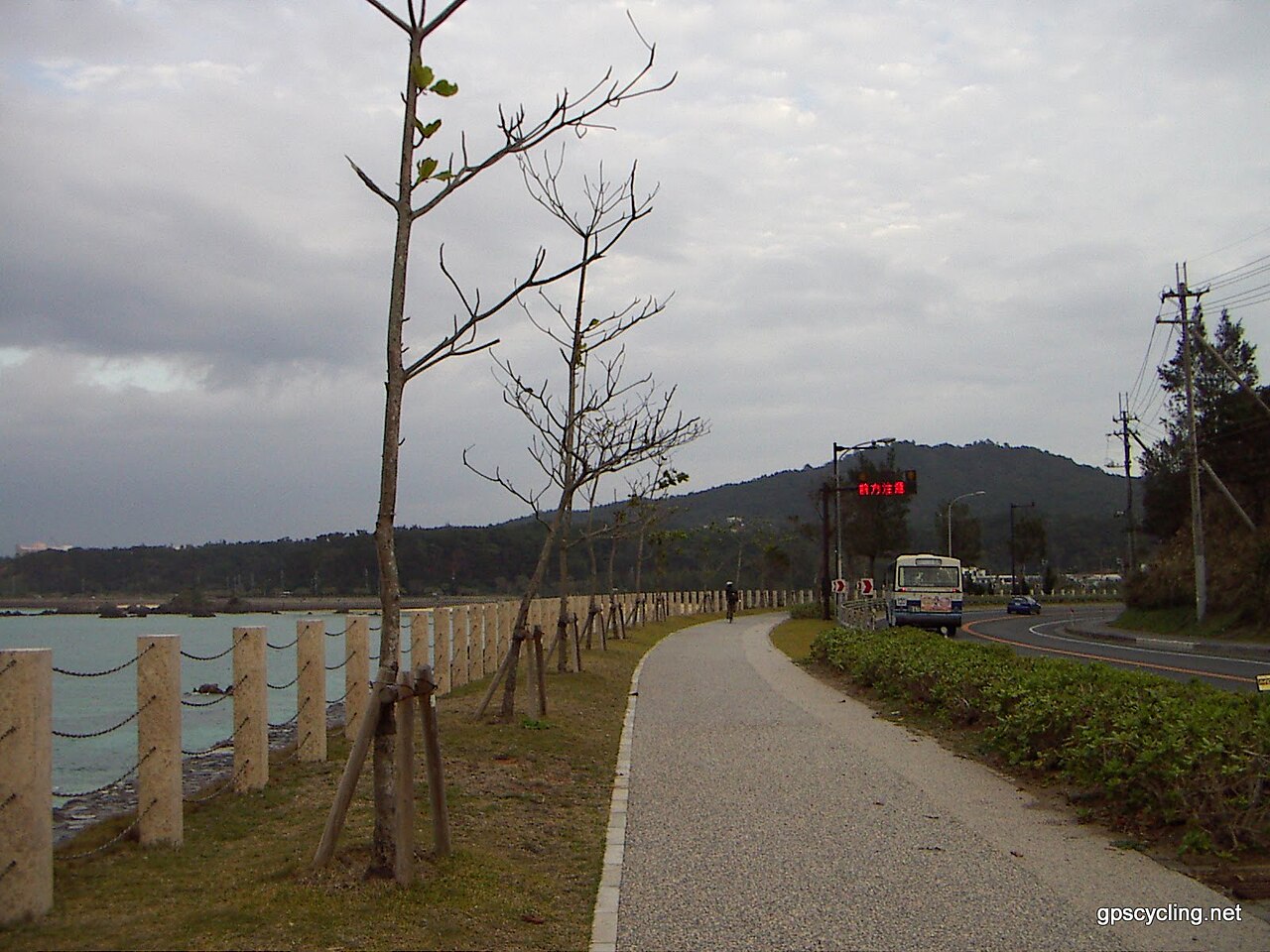
Taking awamori home as a souvenir
On the plane: carry-on and checked baggage rules
According to airline information (ANA and others, based on the standard in a Ministry of Land, Infrastructure, Transport and Tourism notice), alcoholic beverages with an alcohol content of over 24% and up to 70% are allowed up to 5 liters per person, in both carry-on and checked baggage, provided they are in retail-sale containers. Beverages of 24% or less have no limit. Many awamori are 25% or 30%, so most fall within this 5-liter allowance, but be sure to check the alcohol content on your bottle’s label.
On international flights, there is a separate limit on liquids you can carry into the cabin, and ANA’s page states that even items allowed under the rules may not be accepted. On international flights, plan to pack awamori in your checked baggage, and check your airline’s latest guidance before you leave.
Duty-free allowance when taking it abroad
The duty-free allowance for alcohol is set by the customs authority of the country or region you take it home to. The allowance published by Japan Customs is for people entering Japan (3 bottles of about 760 ml for alcohol, and not applicable to people under 20); it is not the standard for taking goods to Taiwan, Korea, Hong Kong, the United States or other countries and regions. Please check the allowance for your destination on the official website of that country’s or region’s customs authority. This article does not give figures for individual countries.
Preventing breakage, and carrying it in your rental car
Bottles and jars of awamori break easily, so it is common to have the shop pack them, then wrap them in towels or clothing and place them in the middle of your suitcase when checking baggage. In a rental car, put your awamori on the trunk floor where it cannot tip over, and do not leave it in the car for long periods. In hot seasons, also avoid direct sunlight and high temperatures inside the car.
A distillery tour is a good stop on a drive if you want to learn about Okinawa’s drink, its history and how it is made. Three things matter: decide that the driver will not drink at all, tastings included; check each distillery’s reservation rules, hours and closing days in advance; and check your airline’s rules and the customs guidance of the country you are taking it to before you buy souvenirs.
UMUI Rent a Car picks you up from Naha Airport with a free shuttle to our branch. We hope you will use us for your trip, whether you are planning around a distillery reservation time or just a relaxed drive. Drive safely, and enjoy the world of Okinawan awamori.
* Business hours, prices, reservation methods and other information in this article are as of October 2026. They are subject to change, so please check each distillery’s official website or call before you go. Penalties and airline rules may also be revised.
Photo credits: Wikimedia Commons (CC BY 2.5 / CC BY-SA 3.0 / Public domain). The photographer is credited in each photo’s caption. Featured image: 663highland / CC BY 2.5.