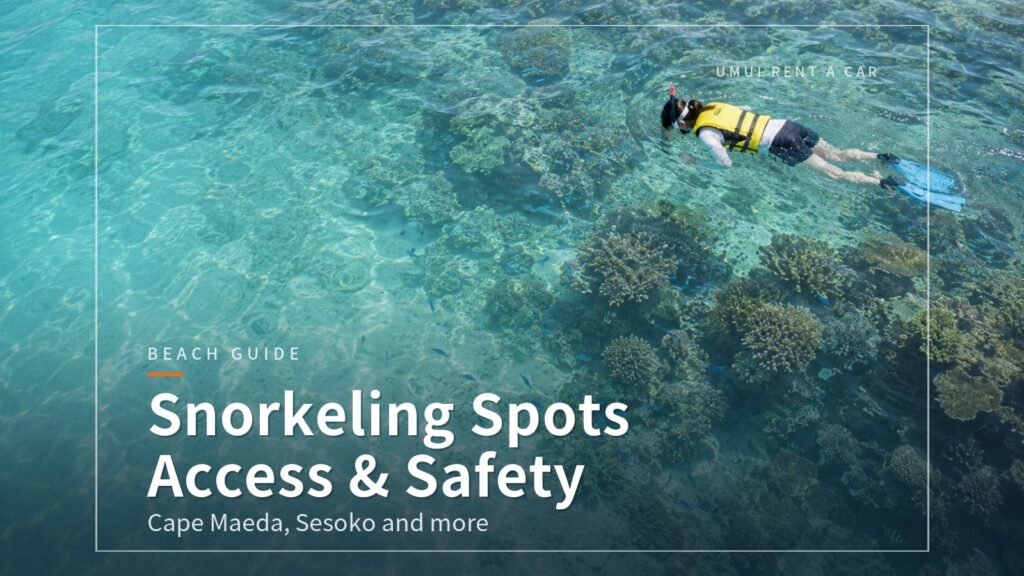
Want to try snorkeling in Okinawa’s crystal-clear water, but not sure where to go or how safe it is? There are in fact several classic spots you can reach by car, and they have parking. At the same time, some beaches ban snorkeling altogether, so it pays to check before you go.
This article covers three spots: Cape Maeda in Onna Village (the entrance to the Blue Cave), Sakimotobu Ryokuchi Park in Motobu Town (known as Gorilla Chop), and Sesoko Beach. For each one, we cover how to get there, parking and the rules of use, as far as we could confirm from official websites and local-government notices. We also explain the precautions that Okinawa Prefecture gives about habu box jellyfish and other dangerous marine life, how to read the weather and waves, when to consider a guided tour, and rental car etiquette for beach days.
First, know the differences between the spots and what to check
Comparing the three spots
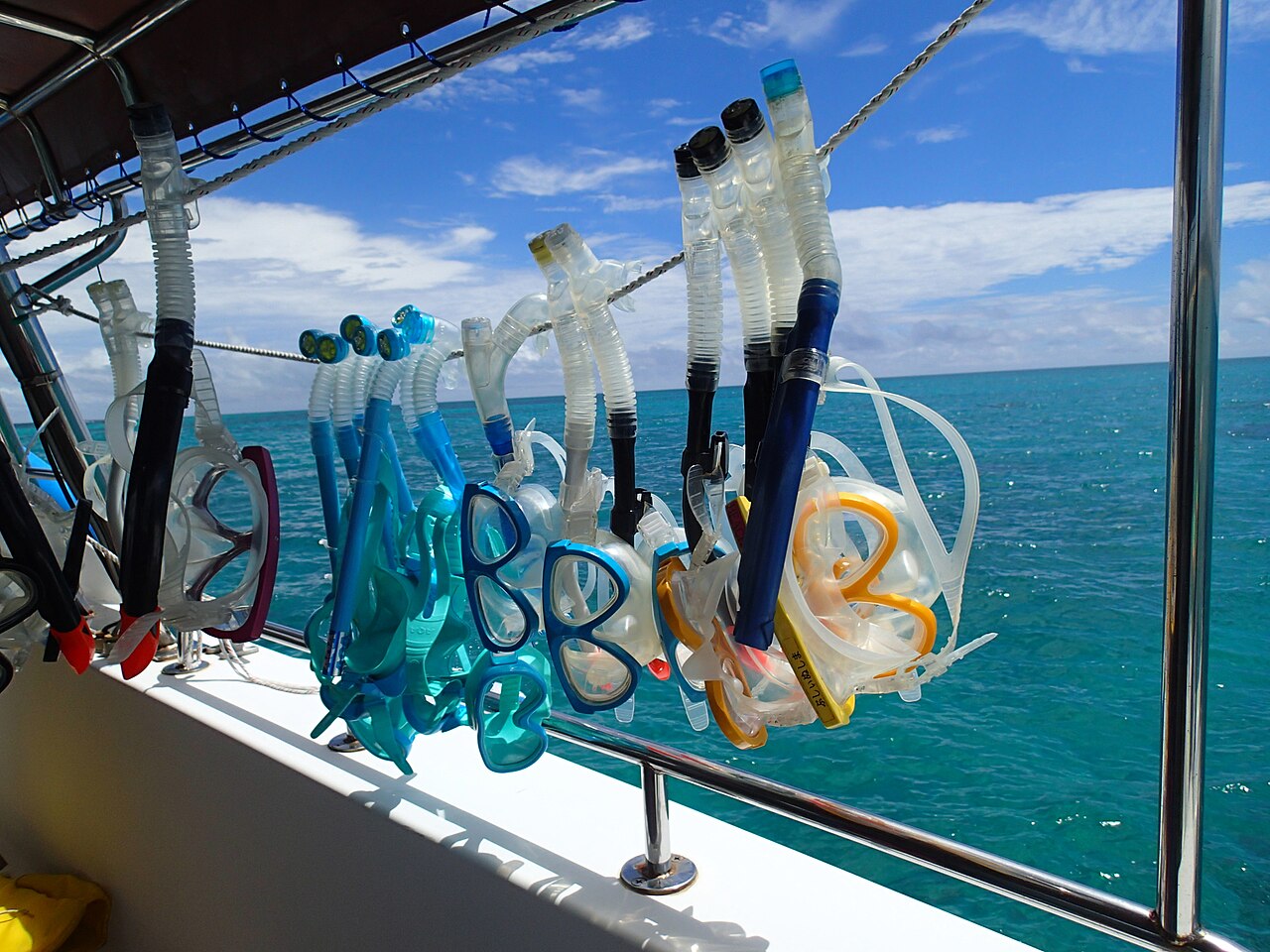
All three are “classic snorkeling spots,” but they are quite different in character. The biggest difference is whether the place is run as a swimming beach with lifeguards and a designated swimming area. Sesoko Beach has a designated swimming area with lifeguards on duty, while the official website of Cape Maeda states plainly that it is “not a swimming beach.”
| Cape Maeda (Onna Village) | About 1 hour by car from Naha Airport (official). Not a swimming beach, with fast tidal currents. A life jacket or buoyancy device is required. Paid parking |
|---|---|
| Sakimotobu Ryokuchi Park (Motobu Town) | Known as Gorilla Chop. The adjacent parking lot and shower facility are managed by the town. Details such as capacity and fees could not be confirmed from official information, so contacting the town is the safest option |
| Sesoko Beach (Motobu Town) | About 90 minutes by car from Naha Airport (official). Designated swimming area with lifeguards on duty. Snorkel sets and life jackets available to rent |
If it is your first time snorkeling, or you are traveling with small children, Sesoko Beach, with its swimming area and lifeguards, is the easier choice. Cape Maeda and Sakimotobu Ryokuchi Park suit people who are confident in judging sea conditions and in their equipment, or those going on a guided tour.
Some beaches ban snorkeling
You cannot snorkel at every beach in Okinawa. For example, Bibi Beach Itoman in Itoman City bans snorkeling entirely for safety reasons, according to its official FAQ. At Ginowan Tropical Beach the official list of prohibited acts includes the use of snorkels, and at Toyosaki Chura-SUN Beach, privately brought snorkeling gear and similar items are prohibited.
We cover these in our article on beaches within 1 hour of Naha. Before you bring a mask and snorkel, check the beach’s official website to see whether snorkeling is allowed.
Three things to check before you leave
On a snorkeling day, check these three points before leaving: today’s sea conditions and any closures, the hours of the parking lot and facilities, and where you will get equipment such as a life jacket.
Sea conditions change from day to day. When high-wave warnings are issued or the weather is bad, the Cape Maeda car park and facilities, as well as car parks and shower facilities near beaches, may be closed on the day. Before you set off, check the official website of your destination or the local municipality’s notices for that day’s opening status and sea conditions.
Cape Maeda (Onna Village): the entrance to the Blue Cave
Overview and how to get there
Cape Maeda is a headland in Onna Village, known as the entrance to the “Blue Cave,” a popular diving and snorkeling spot. It is about 1 hour by car from Naha Airport (according to the official website). Head north on Route 58 and follow the signs once you enter Onna Village. For your GPS, it is easiest to enter either the address or the management office’s phone number (098-982-5339). If you are stopping by during a sunset drive, see also our article on the Onna and Manzamo sunset drive.
The key point to remember is the official warning that Cape Maeda is not a swimming beach and has fast tidal currents. The “Today’s Sea Conditions” page on the official website asks visitors to take particular care at low tide and high tide.
Parking, showers and other facilities
Parking is paid: for a standard car it is 100 yen for the first hour, then 100 yen for every 60 minutes after that. The lot holds 180 cars (plus 5 large vehicles and 4 spaces for people with disabilities). Hours are 7:00 to 19:00 from April to November and 7:00 to 18:00 from December to March. Security cameras are in operation in the parking lot.
There are also toilets, a shower room, changing rooms and coin lockers. The shower room has 10 stalls each for men and women, with hot water. A shower after swimming helps keep your car clean, but the facility closes at set times, so decide when to leave the water with time to spare.
| Address | 沖縄県国頭郡恩納村字真栄田469-1 |
|---|---|
| Management office | 8:30-17:30 / 098-982-5339 / Closed January 1-3 (may close at short notice in typhoons or emergencies) |
| Parking | 180 cars. Standard car: 100 yen for the first hour, then 100 yen per 60 minutes. 7:00-19:00 from April to November, 7:00-18:00 from December to March |
| Showers and lockers | 7:00-18:30 from April to November, 7:00-18:00 from December to March. Shower 200 yen (2 min), hair dryer 100 yen (4 min 30 sec), coin locker 100 yen per use. Toilets are inspected and cleaned 14:00-15:00 and the shower room 16:30-17:30 (per the official notice; times may change) |
| Access | About 1 hour by car from Naha Airport (official) |
Rules of use and prohibited acts
The official website states that you must wear a life jacket or buoyancy device when snorkeling. Without one, it can be hard to get back under your own power in the fast currents.
The prohibited acts are also spelled out in detail. The main ones are:
- Jumping into the water near the cape or the Blue Cave
- Swimming in bad weather or while a high-wave or tsunami warning is in effect
- Rinsing off with water from plastic tanks, or washing equipment, at the facility or in the parking lot
- Resting in the parking lot with a parasol or beach chair
- Barbecuing on the grounds, and littering with trash or cigarette butts
- Using spears, harpoons or spearguns in the waters off the cape, and clinging to mooring buoys
The facility also states that it cannot take responsibility for accidents at sea. Swim at your own risk and take great care.
Reading sea conditions and closure notices
The “Today’s Sea Conditions” page on the official website shows live video and whether swimming is allowed. As for the flags, the “caution flag” means you may swim only with a protective suit and life jacket and with care suited to your own skill, and the “no swimming flag” means swimming is not allowed. For waves and wind direction, the site tells visitors to check the Japan Meteorological Agency website.
A rescue ring and an AED are kept at the management office, and in an emergency you are asked to call out to staff. If a water accident occurs, contact the police, fire department or Japan Coast Guard right away. It is a good idea to look at this page and the news section on the top page before you set out.
Sakimotobu Ryokuchi Park (Gorilla Chop): a rocky shore on the Motobu Peninsula
Location and parking
Sakimotobu Ryokuchi Park is on a stretch of coast on the Motobu Peninsula near Sesoko Island, and is known for the odd rock formation shaped by the waves that goes by the nickname “Gorilla Chop.” According to an official notice from Motobu Town, the park has a parking lot and shower facility next to Gorilla Chop.
However, we could not confirm the parking capacity, fees, hours or whether toilets are available from official sources. If you need to know, the safest option is to contact the Port Management Office, Construction Division, Motobu Town Office (0980-47-4200).
| Location | 沖縄県国頭郡本部町崎本部(崎本部緑地) |
|---|---|
| Parking and showers | Parking lot and shower facility next to Gorilla Chop (per the town’s notice). Capacity, fees and hours could not be confirmed from official information |
| Inquiries | Port Management Office, Construction Division, Motobu Town Office: 0980-47-4200 |
| Access | Northern Okinawa (Motobu Peninsula). We could not confirm an official travel time, so please check with your GPS |
Closures in bad weather and precautions
Whenever a typhoon or bad weather is forecast, Motobu Town issues a notice closing the parking lot and shower facility next to Gorilla Chop in Sakimotobu Ryokuchi Park for the whole day. In 2026, closures were announced several times: in June, July, August, September and October. Depending on sea conditions, a closure can be extended, so check the Motobu Town Office notices before you leave.
We could not find any official indication that this place is run as a swimming beach with lifeguards. The rocky seabed is uneven underfoot and exposed to waves, so if you do go in, bring marine shoes to protect your feet and a life jacket, and consider joining a tour.
Sesoko Beach (Motobu Town): a swimming beach with lifeguards that is easy to choose
How to get to Sesoko Beach
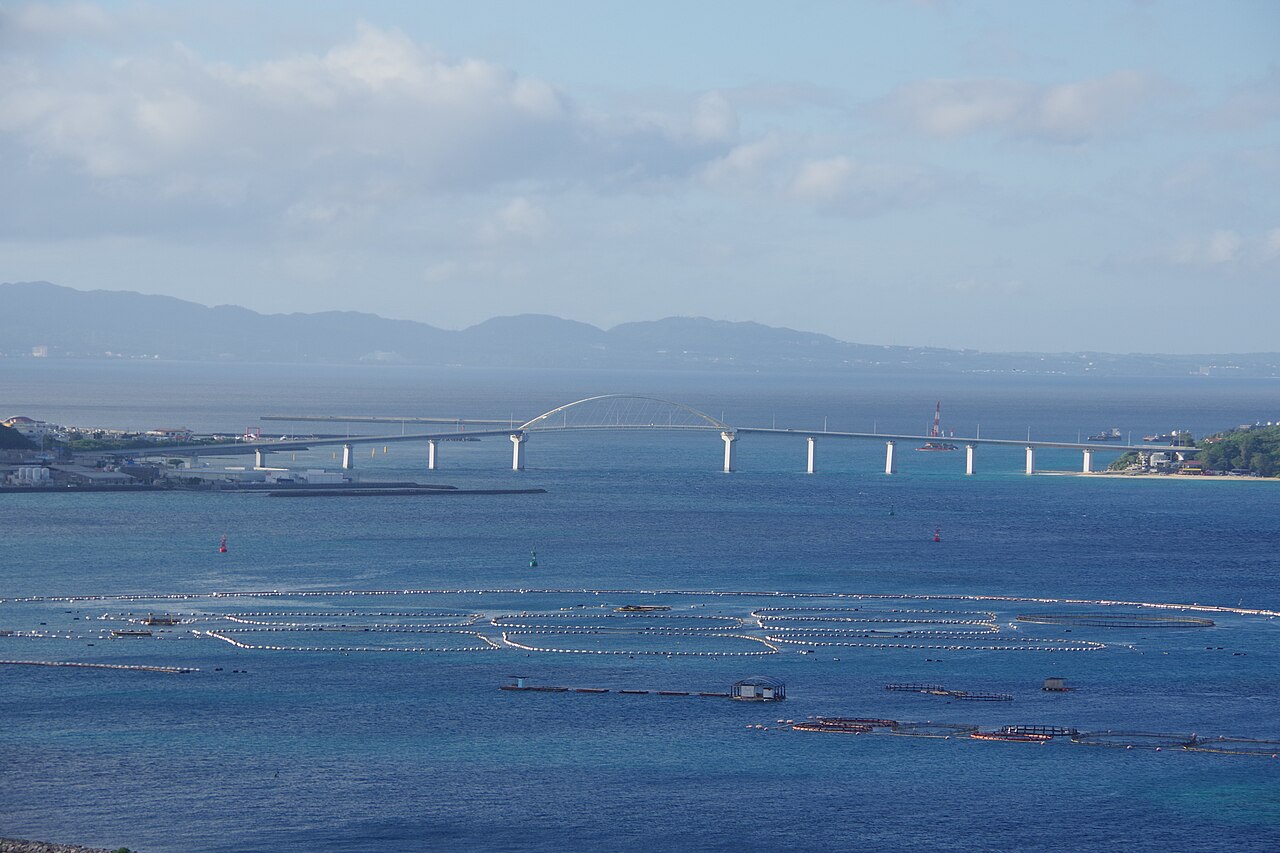
Sesoko Beach is on the west side of Sesoko Island, across the Sesoko Bridge (762 m long). According to the official website, it is about 90 minutes by car from Naha Airport: leave the Okinawa Expressway at Kyoda IC and head toward the Churaumi Aquarium. It is about 25 minutes from the Churaumi Aquarium and about 25 minutes from Nakijin Castle Ruins.
For your GPS, entering the management office’s phone number (0980-47-2368) is said to guide you to the parking lot nearest the beach. If the phone number cannot be searched, the site asks you to enter the address (瀬底5750, Motobu Town). For an overview of Sesoko Island, see also our article on getting to Sesoko Island and Minna Island (by ferry).
Swimming area and operating information
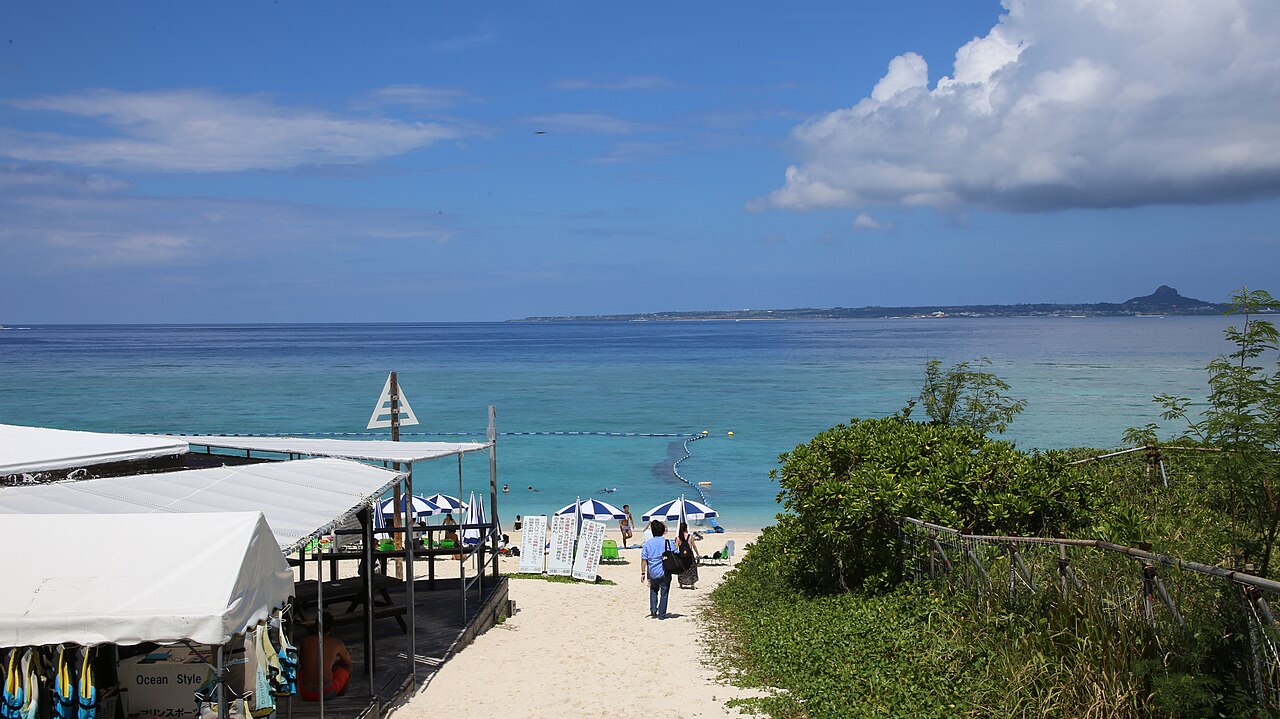
According to the official website, the 2026 swimming season runs from March 7 to November 30. The swimming area is about 120 m wide by 80 m deep, with lifeguards on duty. The website gives swimming hours differently in different places, so check the notices posted on the day. If you arrive in the afternoon especially, leave yourself plenty of time.
Inside this swimming area you can try snorkeling in water watched by lifeguards. However, the official website did not describe detailed rules for using a snorkel inside the area, so if you are unsure, it is safest to ask the management office.
Parking, rental and shower fees
The parking lot is a 2 to 5 minute walk from the beach and holds about 300 cars. A passenger car costs 1,000 yen per day (free for up to 10 minutes, 500 yen for up to 1 hour). Visitors are asked not to park on the surrounding roads, because that blocks ambulances and other emergency vehicles.
Rental items include a snorkel set (1,500 yen for adults, 1,000 yen for children), life jacket 500 yen, fins 500 yen and marine shoes 500 yen. The rental counter is open 9:00 to 16:00, and items must be returned before swimming hours end. A hot shower is 500 yen per use (5 minutes), lockers are 300 yen, and the changing rooms are free.
| Address | 沖縄県国頭郡本部町瀬底5583-1(ナビ入力は瀬底5750と案内あり) |
|---|---|
| Swimming season | March 7 to November 30, 2026 (official). Swimming area about 120 m x 80 m, lifeguards on duty |
| Parking | About 300 cars. Passenger car 1,000 yen per day (free for 10 minutes, 500 yen for up to 1 hour). Free motorcycle parking area |
| Rental | 9:00-16:00. Snorkel set 1,500 yen (children 1,000 yen), life jacket 500 yen, fins 500 yen |
| Inquiries | Sesoko Beach management office 0980-47-2368 (closed weekends and holidays) |
| Access | About 90 minutes by car from Naha Airport (official) |
Safety points: what to do before you get in the water
Wear a life jacket and never go in alone
In its notice on preventing water accidents, Motobu Town calls on people to always wear a life jacket and to swim with others rather than alone. It also asks guardians never to take their eyes off children, not to enter the sea in bad weather, when unwell or after drinking alcohol, to rest often and drink water, and to use swimming beaches that have lifeguards or rescue staff.
Even strong swimmers can lose track of waves and currents when snorkeling, because your face is in the water and you are absorbed in the view. Wear a buoyant life jacket and keep track of your distance from shore.
Beware of habu box jellyfish and other dangerous marine life
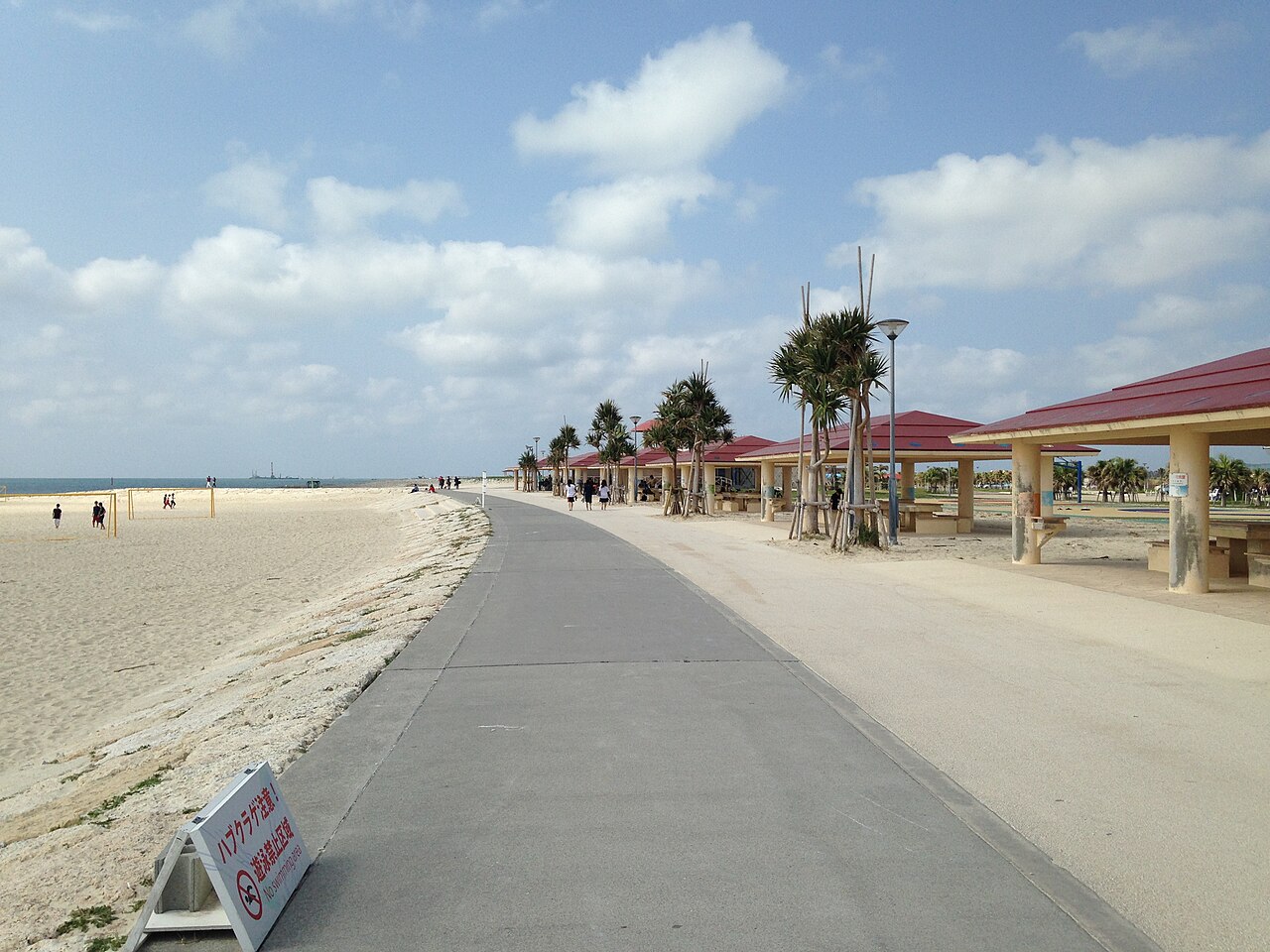
To prevent injuries from habu box jellyfish and other dangerous marine life, Okinawa Prefecture recommends swimming inside the jellyfish-prevention net and checking before you go whether the beach has one. The prefecture’s habu box jellyfish advisory in 2026 (Reiwa 8) ran from June 1 to September 30. In 2025 (Reiwa 7), habu box jellyfish caused 81 of the 199 injuries from dangerous marine life (about 40.7%).
According to prefectural materials, injuries peak from late July to mid-August, but you should not relax just because the advisory period has ended. Wear a rash guard or similar to reduce exposed skin. The prefecture’s page on dangerous sea creatures also lists the sea anemone Actinodendron, crown-of-thorns starfish, long-spined sea urchins and striped eel catfish alongside the box jellyfish. Do not touch coral, rocks or sea creatures, and protect your feet with marine shoes.
For a habu box jellyfish sting, the prefecture’s guidance is to get out of the water, pour vinegar on the sting without rubbing, remove the tentacles, cool the area and see a doctor. Vinegar is the treatment for habu box jellyfish and is not suitable for injuries from fish or sea urchins. If you do not know what stung you, do not try to treat it yourself; consult a medical facility right away.
Check the weather, waves and tides, and consider a tour
On days when a high-wave or tsunami warning is in effect, the official Cape Maeda website prohibits swimming. Sea conditions can change between morning and afternoon, so check twice, before you leave and after you arrive, using the official sea-conditions page and Japan Meteorological Agency information. For what to do when a typhoon approaches, see also our typhoon policy page.
For first-timers, and for those heading to places strongly affected by sea conditions such as Cape Maeda and Sakimotobu Ryokuchi Park, a guided tour is also an option. Meeting points, prices, participation conditions and how bad weather is handled differ by operator. Please check the details with each operator.
Rental car etiquette for beach days
Do not get in the car wet
After you leave the water, rinse off the sand and salt in the shower and dry your body and swimsuit well before getting into the car. Do not sit on the seats in a wet swimsuit; this keeps water and salt from soaking in. Spreading a large bath towel over the seat and putting wet gear in a plastic bag in the trunk will cut down a lot on mess inside the car.
Shake the sand and seawater off wetsuits, masks and other gear before loading it. At the Cape Maeda parking lot, rinsing off with water and washing equipment are prohibited, so wash only in designated places such as the shower room.
Sand, dirt and the NOC (Non-Operation Charge)
Sand gets into the floor mats and door pockets, too. Before you get in, brush the sand off your sandals, feet and picnic sheet. UMUI Rent-a-Car’s page on compensation explains that when staining or similar damage means the vehicle needs repair or cleaning, you may be asked to pay the Non-Operation Charge (NOC) as compensation for lost business.
We explain how the NOC works and the amounts in our article on rental car compensation and the NOC. It is worth reading through once before your beach day.
Parking rules and valuables
Sesoko Beach asks visitors not to park on the surrounding roads. At Cape Maeda the parking lot closes at set times (19:00 from April to November, 18:00 from December to March), so plan your return with time to spare.
As a rule, do not leave valuables in view inside the car. While you are in the water, use a locker or bring only the minimum with you. UMUI Rent-a-Car’s compensation guide also lists damage to the vehicle from a break-in as a case in which the NOC may be charged.
Frequently asked questions about snorkeling drives
Should I bring my own snorkel set?
At Sesoko Beach, the official website lists snorkel sets (1,500 yen for adults) and life jackets (500 yen) among its rental items. If you do bring your own gear, check the rules of the place you are visiting first. Some swimming beaches, such as Bibi Beach Itoman and Ginowan Tropical Beach, do not allow snorkels.
Cape Maeda or Sesoko Beach: which do you recommend?
If you want to try snorkeling somewhere with a swimming area and lifeguards, Sesoko Beach is the easier choice. Cape Maeda is not a swimming beach and is officially described as having fast tidal currents, so it suits those who are confident in their equipment and experience, or who go with a tour. Both depend on the sea conditions on the day.
What should I do if the weather is bad?
Do not force a beach trip; switch to another plan. In the north, indoor spots such as the Churaumi Aquarium are also an option. Our article on indoor spots for rainy days in Okinawa may help.
If you get three things right, namely the route, your equipment and the sea conditions, snorkeling in Okinawa becomes much easier to enjoy with peace of mind. UMUI Rent-a-Car offers a free shuttle from Naha Airport to our shop. We hope you will use us as your ride on the way to the sea.
* Business hours, prices, and other information in this article are as of October 2026. They are subject to change, and facilities may close or suspend operations in bad weather, so please check each facility’s and local government’s official website before you go. Travel times are estimates assuming no traffic. Snorkel at your own risk, and take great care with sea conditions and your physical condition.
Photo credits: Wikimedia Commons (CC BY 2.0 / CC BY-SA 4.0). The photographer is credited in each photo’s caption.