Want to camp in Okinawa but not sure whether you can get there by rental car? You don’t own a tent or sleeping bag, and you’re worried about insects and habu snakes? Almost every campsite on the main island can be reached by car. However, an “auto site” does not always mean you can drive right up to your tent, and reservations, what to bring and the rules differ quite a lot from one site to the next.
This article covers six campsites in northern and central Okinawa’s main island, grouped by area. For every one of them, the official website lets us confirm how to book, the price, check-in time, the parking arrangement and whether a hands-free (bring-nothing) plan exists. We also cover how to think about seasons (typhoons, summer heat, winter north winds), insect and habu precautions, campfire and trash rules, how to think about sleeping in a rental car, ways to keep the car clean, and shopping tips. Topics already covered in detail in other articles, such as typhoon procedures, are kept short with links.
What to Know Before Going Camping by Rental Car
An “auto site” does not always mean you can park next to your tent
An “auto site” generally means a pitch where you can park near or on your site, but the details vary by campground. Among the six sites we checked, some allow one car per pitch, some ask you to move to a dedicated parking lot after unloading, and some prohibit cars inside the camping area altogether. It is realistic to pack only what you can carry yourselves, since at some sites you walk back to the parking lot after unloading.
Also, the official website of Katsuyama BASECAMP (Nago City) states that its auto camping (driving onto your pitch) is for 4WD vehicles only. When you book a rental car, check whether the model is 4WD, and if you are unsure, please ask a UMUI Rent-a-Car shop.
How we chose the sites in this article
We included only sites where the official website lets us confirm how to book, the price, check-in time and the parking arrangement. Prices are given as written on the official site, with the tax notation left as it appears. Where nothing could be found officially, the table says “not stated” or “check the official site.” Some prefectural and village facilities have limited operation or have part of the grounds closed for renovation, so please also check the announcements on the official site before you go.
This is an introduction based on official websites and other published information, not a first-hand account by our staff. On popular weekends and holidays, the official booking calendars can fill up early.
Beware of driving “off the road”
The compensation page of UMUI Rent-a-Car lists “damage caused by driving on places other than roads” as an example not covered by the insurance and compensation system. Campground parking areas, gravel paths and grass may fall under this in some cases. Before driving onto grass, sand, mountain tracks or other unpaved ground, park only where the facility tells you to, and if in doubt, check with the shop.
Campsites in Northern Yanbaru and the East Coast
Kunigami Forest Park (Kunigami Village)
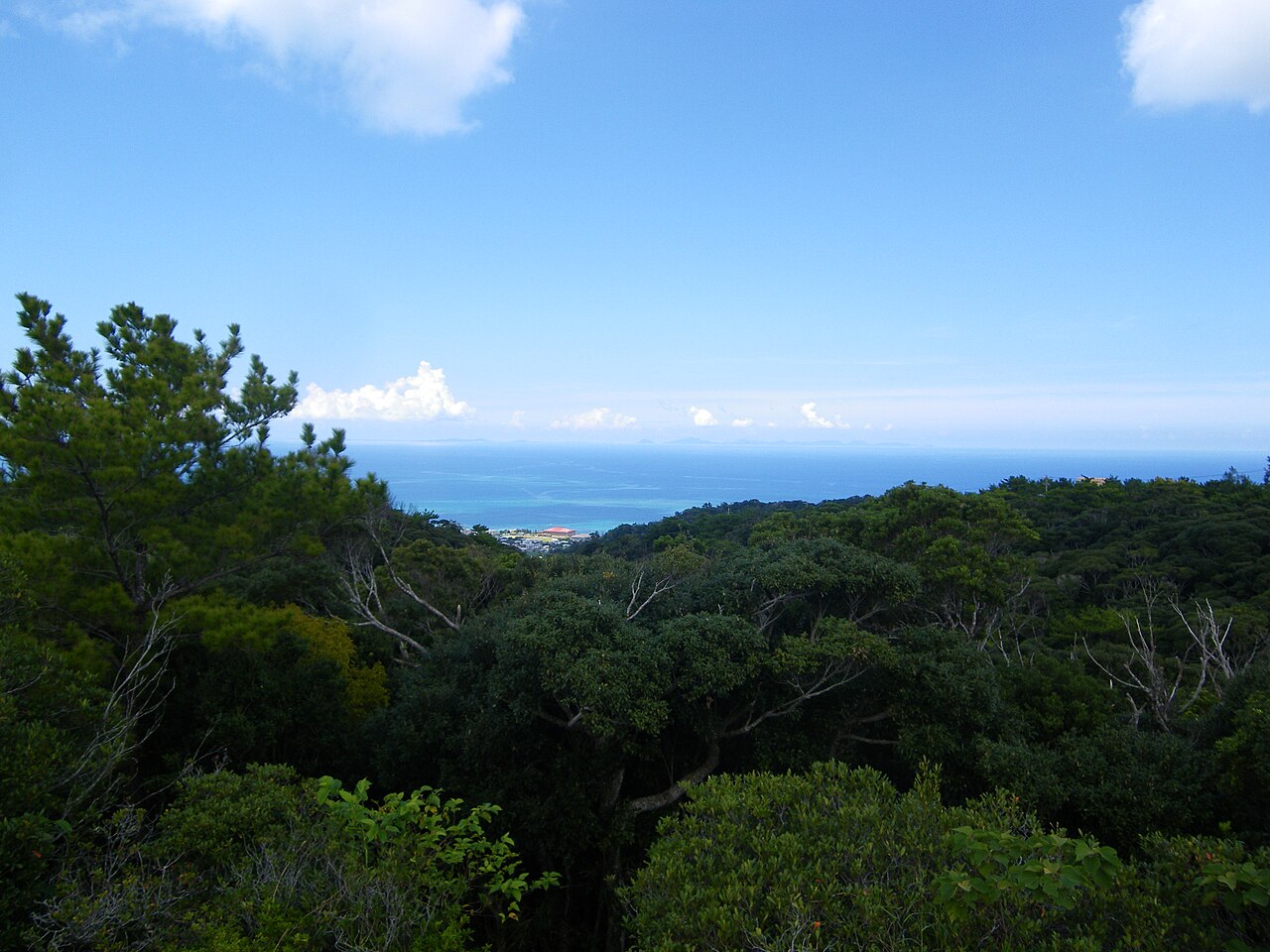
This forest park sits next to the Yanbaru area, a World Natural Heritage site. Its “Forest Field” (Mori no Hiroba) is a grass free-site, and the official website says it values camping that “does not interfere with nature too much.” Cars cannot be driven onto the campsite; you park in the lot beside the site and unload there. Booking is through the website until noon on the previous day, with payment in advance. Pets are not allowed (the official site explains this is out of consideration for the area’s precious wildlife).
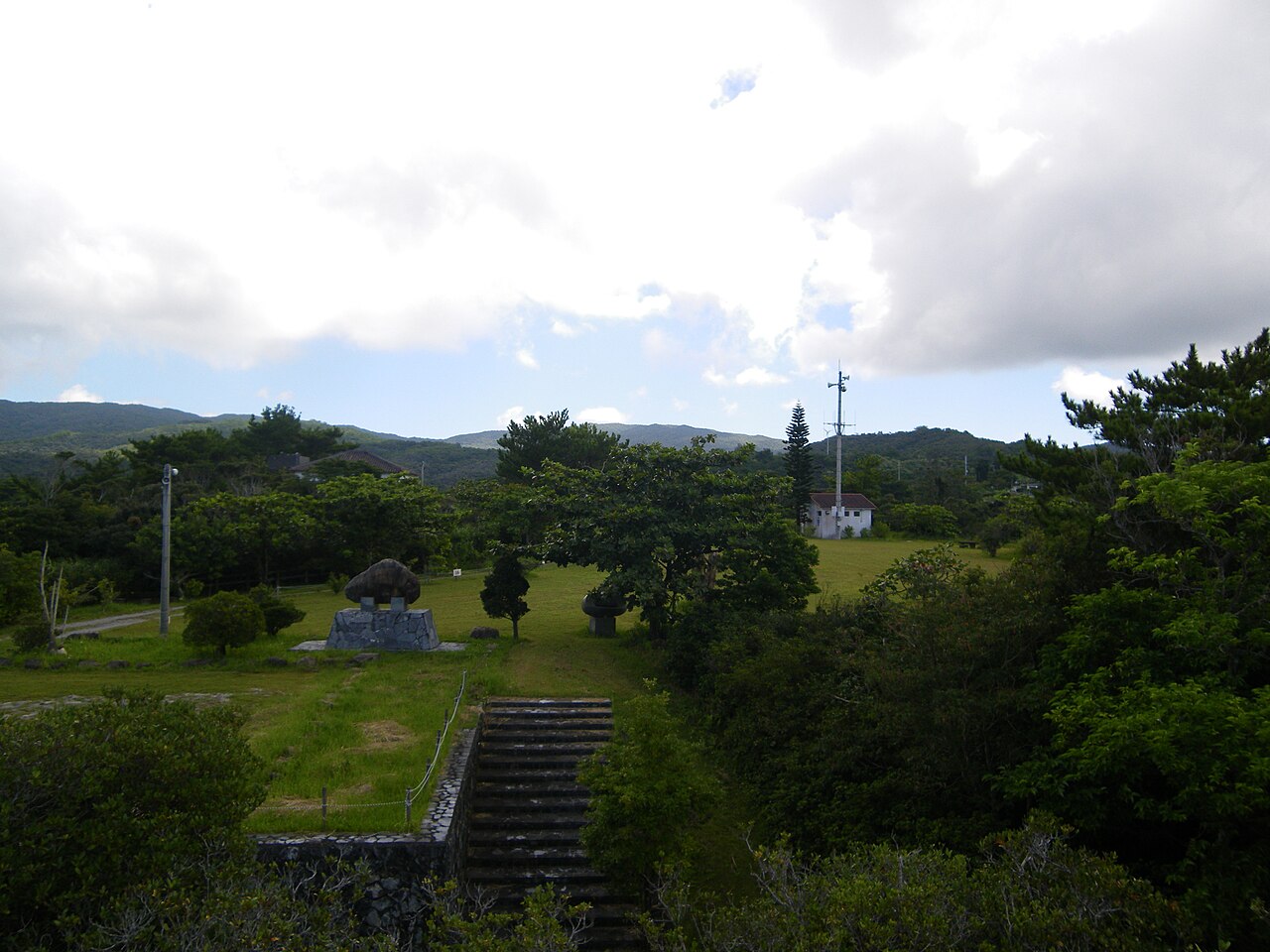
The other camping area, “Star Field” (Hoshi no Hiroba), is currently closed for renovation, and the official site says it will reopen as an “auto site.” The official site is inconsistent about the reopening time (the camping page says “autumn 2026,” the FAQ says “planned for spring”), so please check the announcements before booking. For stargazing at night, our night drive and stargazing article introduces the park’s observation tour.
| Address | 沖縄県国頭郡国頭村字辺土名1094-1 |
|---|---|
| Booking | Website, until 12:00 the previous day (payment in advance). The official pages disagree about same-day booking, so confirm by phone (0980-43-0514) |
| Price (Forest Field) | Adult (13+) 1,500 yen / child (6-12) 800 yen / age 5 and under free (shower included). Up to 2 people per group; add groups when booking |
| Check-in / out | 14:00-17:00 (late fee after 17:00) / 12:00 next day |
| Parking and car access | Dedicated parking lot beside the site. Cars cannot enter the campsite (unloading only). “Star Field” is closed (planned to reopen as an auto site) |
| Hands-free plan | Yes (the rental page lists a “hands-free camping plan” from 10,000 yen for 3 or more people, with tent, sleeping bags and BBQ set; campsite guests only) |
| Closed / other | Closed Tuesdays. Campfires allowed in the Forest Field (campfire stand and fire sheet required). Burning fallen wood is not allowed |
| Access | About 2 hr 30 min by car from Naha Airport, about 65 min from Kyoda IC (per the village’s official stargazing site). The nearest convenience store is on Route 58, about 10 min by car |
Tsutsuji EcoPark, Higashi Village Community Forest (Higashi Village)
This village-run campground on the Yanbaru east coast has 40 auto sites with electricity and 20 free sites without. According to the official website, on an auto site you park at the designated spot on your pitch, and only one car is allowed per pitch; any extra vehicles go to the parking lot near the park entrance. For free sites, you unload and then move to the dedicated parking lot.
Booking opens three months ahead through the website’s online reservation. If space is available, same-day booking by phone is also accepted during business hours. Equipment rental is described on the official site, but we could not find an accommodation plan called a “hands-free plan,” so the table says “rental items available.” The campground may suspend operation during typhoons or other bad weather, or for maintenance.
| Address | 沖縄県国頭郡東村字平良766-1 |
|---|---|
| Booking | Official website online booking (from 3 months ahead). Same day by phone if available (8:30-17:30, 0980-43-3300). Free cancellation until 4 days before |
| Price (tax incl.) | Auto site (with power, up to 7 people, 1 car) weekdays 5,060 yen / weekends and holidays 5,280 yen; free site (no power) weekdays 3,080 yen / weekends and holidays 3,300 yen. All per pitch per night, plus a facility fee of 110 yen per person |
| Check-in / out | 14:00 / 12:00 (early check-in and late check-out by reservation, +550 yen each, not available when busy) |
| Parking and car access | Auto sites: one car at the designated spot on the pitch. Extra cars and free-site guests: dedicated or entrance-area parking |
| Hands-free plan | Not found under that name (equipment rental available, advance reservation required) |
| Closed / other | No regular closing day (may close for typhoons or maintenance). No free Wi-Fi in the park |
| Access | About 40 min from Ginoza IC or Kyoda IC on the Okinawa Expressway (the entrance differs from that of the “Tsutsuji Garden”) |
Camping and Glamping in Nago and Yagaji
Katsuyama BASECAMP (Nago City)
This campground with a bar lies at the foot of Mt. Katsuudake. The official website offers a “hands-free camping stay plan” (24,000 yen for 2 people, tax included) with tent, bedding and BBQ equipment included. The plan includes the pitch fee, tent, bedding, a small table, a lantern, insect repellent spray and a welcome drink. The summer plan (April to the end of September) is described as air-conditioned.
For camping with your own tent there are solo camping (2,000 yen per pitch plus 1,000 yen per person) and 4WD-only auto camping (3,000 yen per pitch plus 1,000 yen per person, up to 4 people). Booking a camping stay through the official website comes with one free original cocktail. Payment is in cash (Japanese yen).
| Address | 沖縄県名護市勝山10番地 |
|---|---|
| Booking | Booking page on the official website (phone 090-1948-1522) |
| Price | Hands-free camping stay plan: 24,000 yen for 2 (tax incl.; 22,000 yen for 1). Solo camping: 2,000 yen per pitch + 1,000 yen per person. Auto camping (4WD only): 3,000 yen per pitch + 1,000 yen per person. BBQ ingredients are extra (advance order) |
| Check-in / out | 14:00 / 11:00 next day |
| Parking and car access | Free parking. Auto camping is for 4WD vehicles only |
| Hands-free plan | Yes (hands-free camping stay plan; BBQ equipment rental also available) |
| Other | Showers and toilets in the management building. The site states that it does not rent tents or bedding for bring-your-own camping |
Yagaji Beach (Nago City)
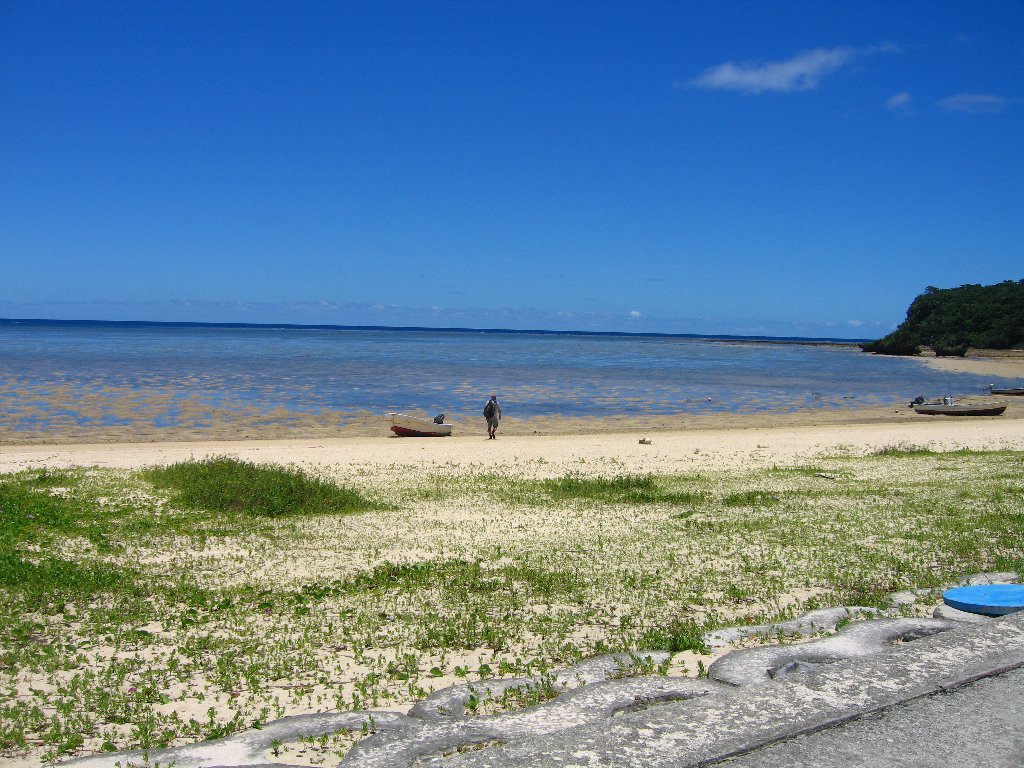
This beach at the entrance to Yagaji Island has a campground on its grounds. You book through “Availability Search / Online Reservation” on the official website and pay on site. An overnight stay costs a per-person facility fee (which includes parking and showers) plus either the free-site fee or the hands-free camping fee. The sites are not marked pitches, so set up in a way that does not bother other guests.
The hands-free camping package is for 2 to 5 people and comes with a tent, tarp, table, chairs, sleeping bags and lanterns. Meals are not included and BBQ is an option. For campervans, the official site says idling is in principle prohibited. Yagaji Island is listed among the islands where habu live, so see the precautions below as well.
| Address | 沖縄県名護市字屋我143番地 |
|---|---|
| Booking | Official website online booking (phone 0980-52-8123). Cancellation after 17:00 the day before is charged in full (2 days before if you ordered food) |
| Price | Facility fee (overnight) adult 1,000 yen / child (3+) 600 yen; peak season adult 1,500 yen / child 900 yen. Free site, 2,000 yen per site (up to 5 people; 2,500 yen in the busiest season). Hands-free camping (2-5 people) 10,000 yen + facility fee per person |
| Check-in / out | Free site: 11:00-17:00 / 11:00 next day. Hands-free camping: 15:00-17:00 / 11:00 next day |
| Parking and car access | Parking is included in the facility fee. Whether you can drive up to your tent is not stated officially, so confirm when booking |
| Hands-free plan | Yes (hands-free camping; hands-free solo camping from 6,000 yen, etc.) |
| Fire / trash | No open fires; campfire stands must stand at least 15 cm above the ground. Take your trash home (guests from outside the prefecture or overseas who cannot: 500 yen up to 45 L, 1,000 yen up to 90 L) |
| Access | By expressway from Naha Airport to Kyoda IC (about 70 min from Naha IC), then Route 58 for about 15 min and Prefectural Road 110 for about 5 min (official directions) |
Campsites in Kin and Ginoza (Toward Central Okinawa)
Nature Miraikan (Kin Town)
This nature-experience facility near Kin Bay has a large campground with 72 pitches. On the official website you can go from the campground’s booking calendar to the reservation form. The pitches have no electricity, and bringing generators is also prohibited. Tables and BBQ grills are not provided on the pitches, so bring your own or use the rental service. The “hands-free camping set plan” costs 9,000 yen and includes a tent, mats, BBQ grill, table, chairs, lantern, tarp and consumables such as charcoal (the tent pitch fee and facility fee are separate).
Cars cannot be driven into the campground; after unloading, move the car to the parking lot right away. The shop next to the reception counter sells ice, charcoal, fire starters, insect repellent spray, mosquito coils and more. Food orders must be placed 3 days ahead. The official October calendar shows many “full” marks, so booking early is safer for weekends and holidays.
| Address | 沖縄県国頭郡金武町金武11818-2 |
|---|---|
| Booking | Apply from the official booking calendar (phone 098-968-6117, 9:00-17:00) |
| Price | Tent site 3,300-3,850 yen (solo 1,650-2,750 yen); facility fee adult (junior high and up) 550 yen / child (3+) 330 yen. Hands-free camping set 9,000 yen |
| Check-in / out | 12:00 / 10:00 next day (as stated for the official solo camping plan; early check-in not possible, late check-out possible at the day-use rate) |
| Parking and car access | Free parking. Cars are prohibited inside the campground (not an auto site) |
| Hands-free plan | Yes (hands-free camping set plan) |
| Fire / trash | No open fires (campfire stands are allowed). Fireworks only in the exchange plaza. Take your trash home (ask the management office if you want them to dispose of it) |
| Access | About 45 min from Naha IC to Kin IC on the Okinawa Expressway (official directions) |
Hippy Campground (Ginoza Village)
This beach campground in Ginoza Village is introduced on the official website of the dive shop “Happiness Marine Club.” Booking is only through the application form on the official website; phone reservations are not accepted. The start date for taking bookings is set month by month; for example, bookings for November open on October 15. The rules are clearly written for people who want a quiet stay: one group per site, no fishing from the beach, and no groups who come to drink.
The price is 1,000 yen per person for one night (from age 5), including parking, shower and an environmental fee. Campervans cannot be used. The official site says “no direct charcoal or campfire on the grass,” “no campsites or BBQ on the sand,” “no generators,” “turn off the car engine” and “take all trash home.” We could not confirm a hands-free plan.
| Address | 沖縄県国頭郡宜野座村松田(番地の記載なし) |
|---|---|
| Booking | Official website application form only (no phone reservations). Booking start dates are set by month |
| Price | 1 night 1,000 yen per person (from age 5). 2 nights 2,000 yen, 3 nights 3,000 yen. Early check-in +500 yen |
| Check-in / out | 13:00-16:00 (early check-in from 11:00 is +500 yen) / by 11:00 |
| Parking and car access | Parking is included in the fee. No campervans. Turn off the engine |
| Hands-free plan | Not confirmed on the official website |
| Fire / trash | No direct charcoal or campfire on the grass. Take all trash home |
Thinking About the Seasons: Typhoons, Summer Heat and Winter North Winds
Typhoons: how to think about bookings and cancellations
According to Japan Meteorological Agency statistics, an average of 4.0 typhoons per year approach Naha (1991-2020), and approaches are most frequent from July to October. Camping means sleeping outdoors, so the basic rule is to call it off when a typhoon approaches. The typhoon policy page of UMUI Rent-a-Car says no cancellation fee is charged for the rental reservation if your plans change because of a typhoon (a no-show fee applies if you cancel without contacting us). Our typhoon season article explains how to think about driving and reservations.
Each campground handles this differently. Tsutsuji EcoPark may suspend operation in typhoons or other bad weather, and Nature Miraikan states officially that no cancellation fee is charged when you cancel for bad weather. Yagaji Beach states that cancellations after 17:00 the day before are charged in full, and we could not find a typhoon exception on its official site. The campground and the rental car are separate bookings, so in typhoon season, check the cancellation terms of both in advance.
Summer heat: sun, car interiors and water
Naha’s average temperature in July is 29.1°C (JMA normals). The sun is strong in summer, and on sites with little shade the inside of a tent gets hot during the day. The basics matter: pitch your tent once the sun starts to go down, make shade with a tarp, and drink water often. Some facilities, such as Katsuyama BASECAMP, offer an air-conditioned hands-free plan in summer.
The interior of a parked rental car gets very hot in summer. Do not leave gas canisters, spray cans, lighters and the like in the car (follow each product’s warning label), and do not leave fresh food in the car for long. Keep the cooler box in the shade, and after shopping, head straight to the campground.
Winter north winds and cold nights
According to JMA normals, the most frequent wind direction in Naha from December to March is north to north-northeast. Some winter days are windy, and on seaside or elevated sites you should drive tent pegs in firmly and reinforce with guy ropes. Naha’s normal minimum temperature in January is 14.9°C, but in the mountains and the north it can feel colder at night. Bring plenty of sleeping bag, mat and outerwear. Our month-by-month weather and clothing article has a guide.
Rain and wind also call for care when driving. Tall vehicles and cars loaded with luggage catch crosswinds on bridges and along the coast. When you stack tall luggage, think about packing so that it does not block the rear view.
Rules and Precautions: Insects, Habu, Campfires and Trash
Habu: from Okinawa Prefecture’s guidance
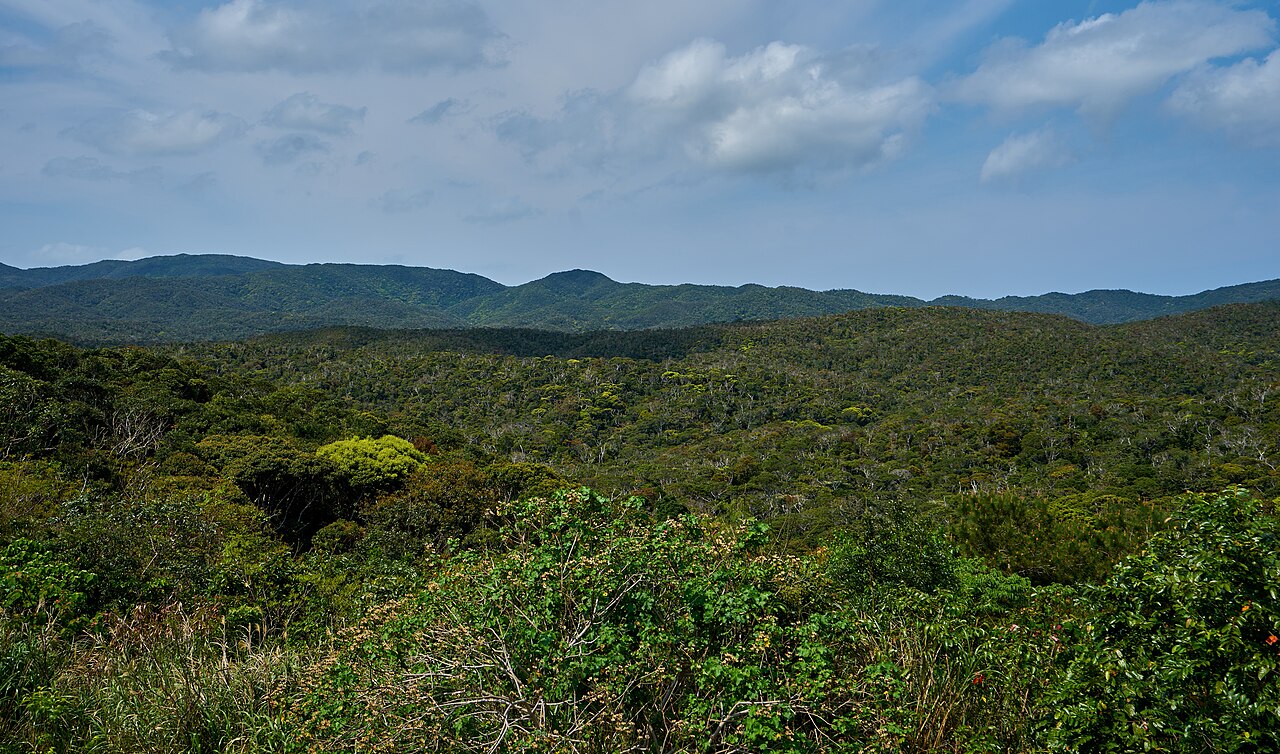
According to Okinawa Prefecture’s official pages, bites from four kinds of snakes (habu, himehabu, sakishima habu and taiwan habu) still occur every year (the prefecture’s pages give differing annual numbers, so we do not give a figure here). Improved treatment means deaths have become rare, but the pages explain that aftereffects can remain after a bite. The prefecture calls attention with a “Habu Bite Advisory” in May and June, when habu are most active, and a “Habu Bite Prevention Campaign Month” in October and November.
The prefecture explains that habu may be anywhere there is grass or trees, including mountains, fields, farmland and parks; they are nocturnal and rarely come out into open areas during the day. Be especially careful in grass, in trees and in shaded woods. Most bites are said to be on the hands and feet. Basic measures are to be cautious when entering grass or woods, to light your way with a flashlight at night, and to wear long trousers and shoes that cover your feet. The prefecture’s page notes that a habu can strike only within two-thirds of its body length and cannot jump. If you see one, do not approach; move away.
If you are bitten, the prefecture advises: stay calm and check whether it was a habu (usually two fang marks, with swelling and strong pain within minutes), call loudly for help, and go to a medical institution immediately. Running speeds up the venom, so be carried by car or walk slowly. Do not tie tightly with thin string. Avoid painkillers and alcohol to dull the pain. In mountain areas, check that your phone has a signal and act in a group where possible. Details are on the Okinawa Prefecture page “Beware of Habu!” (Japanese; English, Chinese and Korean leaflets are linked from it).
Preparing for insects
Okinawa is warm, and mosquitoes and other insects appear all year, not only in summer. Bring insect repellent and mosquito coils, or check beforehand whether you can buy them at a shop on site. Katsuyama BASECAMP’s hands-free plan includes insect repellent spray, and the Nature Miraikan shop sells insect repellent spray and mosquito coils, according to their official websites. Insects get into a tent easily if you leave it open at night, so close the entrance each time you go in and out.
Campfires, open fires and fireworks
At every site we checked, campfires are allowed only with a campfire stand, and open fires are prohibited. Yagaji Beach requires a campfire stand at least 15 cm above the ground, and Kunigami Forest Park and Tsutsuji EcoPark ask you to use a fire sheet so that you do not scorch the grass. Hippy Campground prohibits charcoal and campfires directly on the grass.
Fireworks also differ by site. Tsutsuji EcoPark allows hand-held fireworks only (with a bucket of water for putting them out), and Nature Miraikan allows fireworks only in a designated place (the exchange plaza) and prohibits them inside the campground. Throw away charcoal and ash only after they have cooled, in the place the facility designates.
Trash: take it home or put it in a designated place?
Trash handling splits by facility. Yagaji Beach, Nature Miraikan and Hippy Campground basically require you to take trash home. Yagaji Beach sets a disposal fee for guests from outside the prefecture or overseas who cannot take it home (500 yen up to 45 L, 1,000 yen up to 90 L). At Tsutsuji EcoPark you sort trash by Higashi Village’s rules and put it in the designated area, and trash bags are given out free at check-in. Many travelers find it hard to carry trash until their flight, so check before you leave whether the facility can dispose of it for you.
Preparing for Camping With a Rental Car
Can you sleep in the car?
Some campgrounds permit sleeping in a car. The official site of Tsutsuji EcoPark says “you may sleep in your car with the engine off if you have booked a campsite.” On the other hand, the rules differ elsewhere: Hippy Campground does not allow campervans, and Yagaji Beach prohibits idling for campervans.
However, please consult the shop about whether you may sleep in a UMUI Rent-a-Car vehicle. We could not find a provision on sleeping in the car in the rental agreement on u-mui.com. On the other hand, the agreement’s list of prohibited acts includes using the car for purposes other than those specified. Rather than deciding yourself, it is safest to check with the shop before you rent. We do not recommend sleeping in a car outside campgrounds (roadside stations, roadsides, seaside parking lots and so on).
Ways to keep the car clean
After camping, sand, dirt, smoke smell and food stains on a rental car are a concern. The compensation page of UMUI Rent-a-Car explains that if a car needs cleaning because of stains or odor, a non-operation charge (compensation for lost business) of 20,000 yen applies when the car is driven back to the shop under its own power. Odor from smoking in a non-smoking car and stains or odor from pets can also be charged.
Here are some ways to reduce mess.
- Put wet or muddy shoes, tents and tarps into large plastic bags or waterproof containers before loading.
- Seal clothes and sleeping bags that smell of campfire smoke in bags before loading.
- Pack food and seasonings in zip bags so they cannot leak, and carry them upright in the cooler box.
- Lay a sheet or waterproof picnic sheet in the luggage area.
- Brush off sand and dirt before getting in. Change your shoes.
- Before returning the car, check for trash and forgotten items.
Shopping and packing tips
If a campground is in the mountains or toward the islands, there is not always a large supermarket nearby. The official site of Kunigami Forest Park says the nearest convenience store is on Route 58, about 10 minutes by car. It is safer to buy food, drinks, ice, firewood and charcoal before you set out, or all together near a town such as Nago or Kin.
Some facilities have shops that sell ice, charcoal, fire starters and drinks. Nature Miraikan’s shop is open 9:00 to 21:00, and Tsutsuji EcoPark’s service center sells goods until 17:00. If you arrive late you may not be able to buy anything, so check the hours beforehand.
Even with a hands-free camping plan, you still need a change of clothes, towels, toiletries, sandals, rain gear, a light, insect repellent and regular medicines. The trunk of a rental car has limited space, so check at booking whether your luggage for everyone will fit and what the cargo capacity of the model is. If you need a child seat, request it when you book.
Camping and glamping are trips that a car lets you do at your own pace, reaching the forests and shores of the north. UMUI Rent-a-Car offers a free shuttle from Naha Airport to the shop. If you are worried about typhoons or the weather, please contact us on our official LINE or by email. Check both your campground booking and your rental car booking, and enjoy yourself safely.
* Opening hours, prices and other information in this article are as of October 2026. They may change, so please check each facility’s official website before you go. Travel times are estimates without traffic. Prices are as written on each facility’s official site (tax notation as shown).
Main sources: official websites of Kunigami Forest Park, Tsutsuji EcoPark (Higashi Village), Katsuyama BASECAMP, Yagaji Beach, Nature Miraikan and Happiness Marine Club (Hippy Campground); the Okinawa Prefecture page “Beware of Habu!”; Japan Meteorological Agency normals and typhoon statistics; UMUI Rent-a-Car official site (rental agreement, compensation, typhoon policy).
Photo credits: Wikimedia Commons (CC BY 2.0 / CC BY-SA 3.0 / CC BY-SA 4.0). Photographers are credited in each caption. Featured image: kohei sasabuchi / CC BY 2.0.