“How do Japanese coin parking lots work?” “What happens to my rental car if I get a parking ticket?” Many travelers have these worries before renting a car in Okinawa. While sightseeing you will park again and again: to take a photo, buy a souvenir or find a restroom.
This article covers, in order: how Japanese coin parking lots (lock-plate type and gate type) generally work, where you must not park and how violations are handled, what happens if you park illegally in a rental car, how to find parking at tourist spots, and how to protect your car from break-ins. The legal parts are based only on what the National Police Agency, the Okinawa Prefectural Police and the UMUI Rent a Car rental agreement state. We do not list specific coin parking fees, because they vary by place and time.
The Basics of Parking in Okinawa
When sightseeing, park in a parking lot
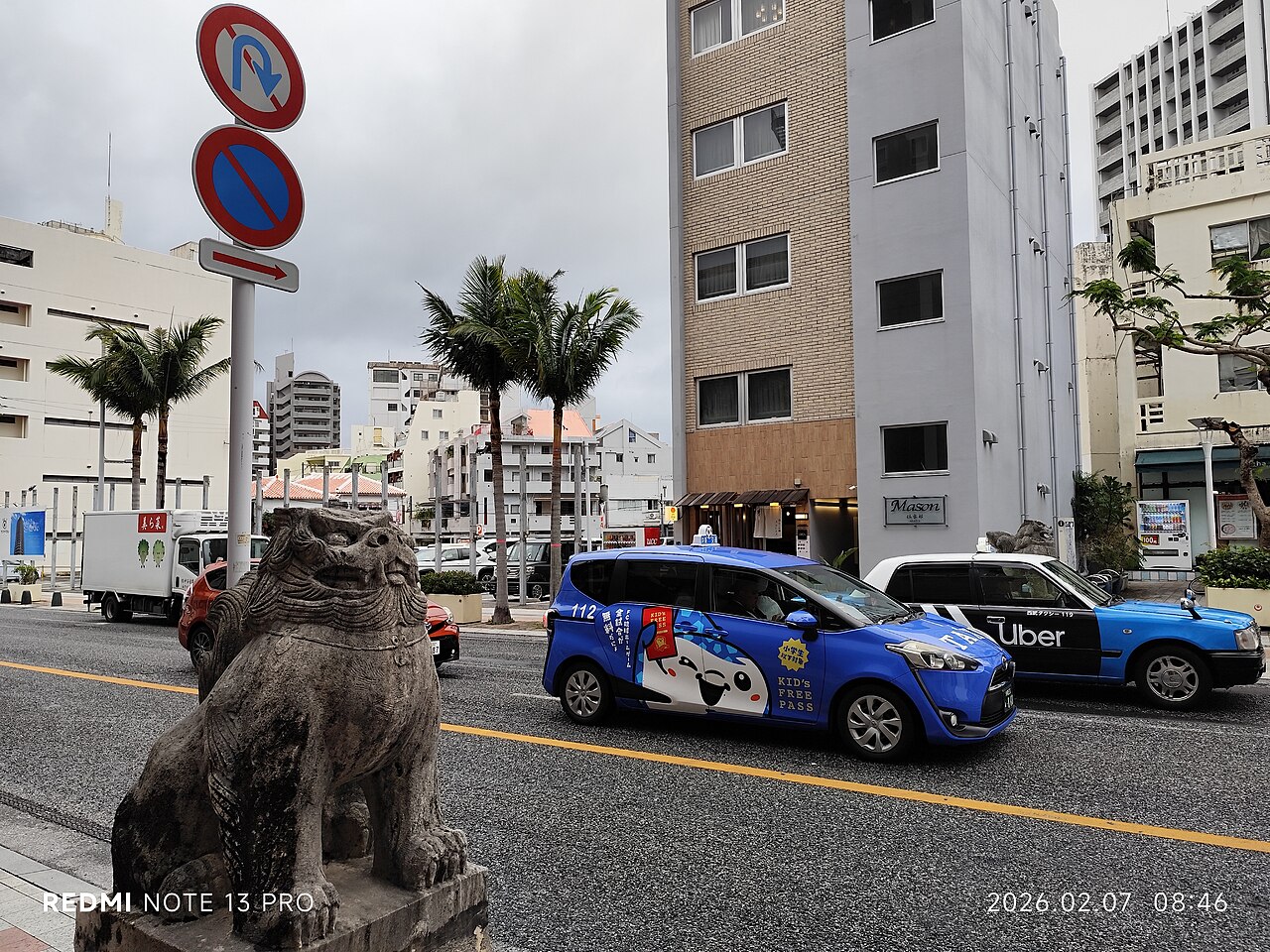
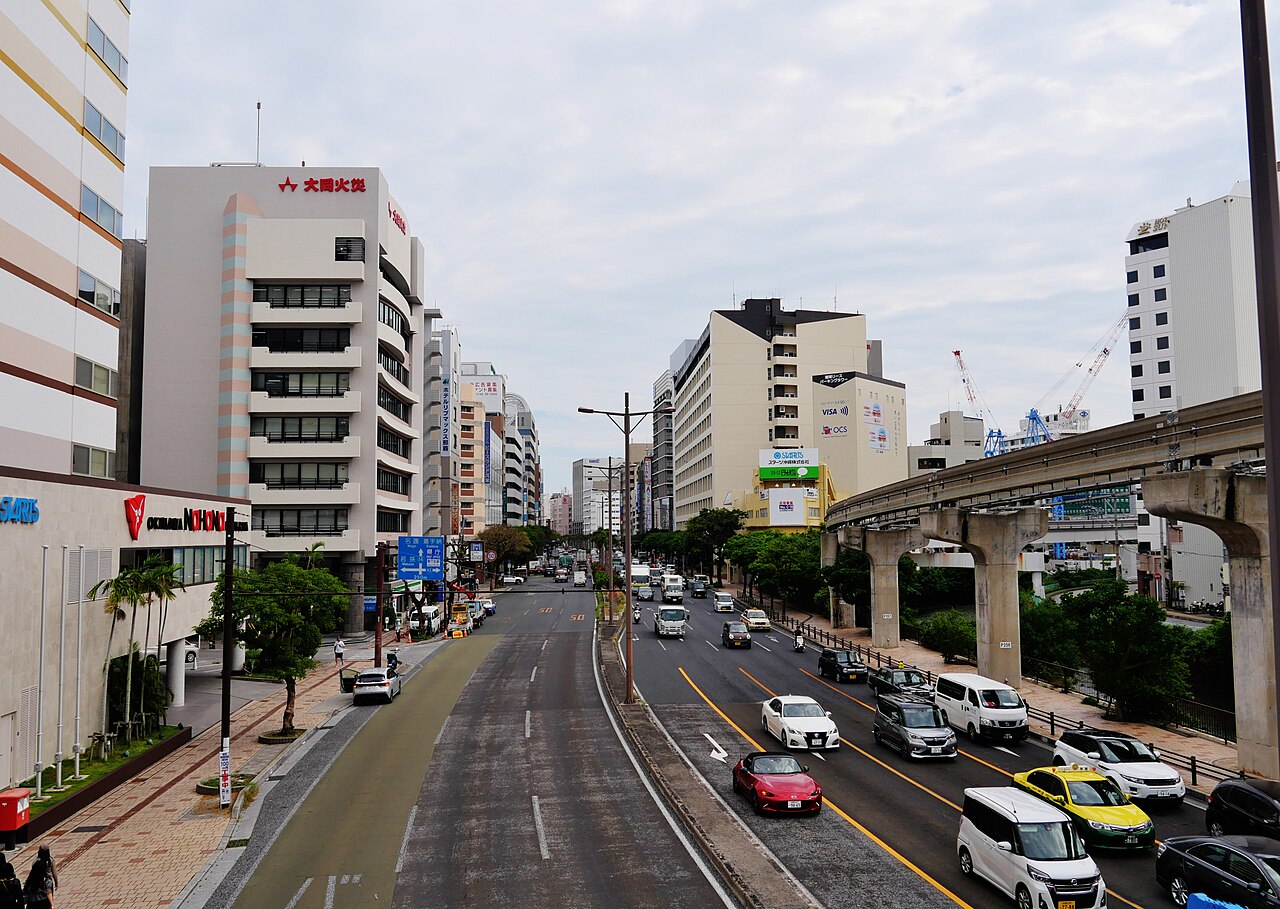
Many roads in central Naha have no-parking signs and road markings. As we also explain in our blog article “Japan’s Driving Rules for Visitors”, it is safest to decide that you will always use a parking lot, never the roadside, when sightseeing. Stopping at the side of the road “just for a minute” can turn into a lot of trouble later.
Near tourist spots you will find official parking lots as well as privately run pay-by-the-hour lots (coin parking). Coin parking is convenient, but if you go in without knowing how to use it, leaving can be confusing. The next section explains the general way to use it.
The difference between “parking” and “stopping”
Japanese roads have two kinds of restrictions, “no parking” and “no stopping or parking,” and they mean different things. The Rules of the Road published by the National Police Agency explain the terms as follows.
| Parking | A vehicle stopped continuously, or stopped with the driver away from it and unable to drive off immediately. Stopping to let people get in or out, or to load or unload luggage for up to 5 minutes, is not parking. |
|---|---|
| Stopping | A short stop of a vehicle that does not count as parking. |
In other words, if the driver leaves the car and cannot drive off right away, it counts as “parking”. Even if you leave the engine running and just step into a convenience store for a few minutes, it is treated as parking once the driver leaves the vehicle.
What this article covers and what it does not
The information in this article is based on what the official pages of the National Police Agency, the Okinawa Prefectural Police and UMUI Rent a Car stated as of October 2026. We do not give coin parking fees or the number of spaces, since these differ greatly by location and change over time. We also do not give the amount of parking-violation fines, because we could not confirm the current amount on the official pages we checked. If you want to know, please check with the Okinawa Prefectural Police or the nearest police station.
How to Use Coin Parking
Two main types of coin parking in Japan
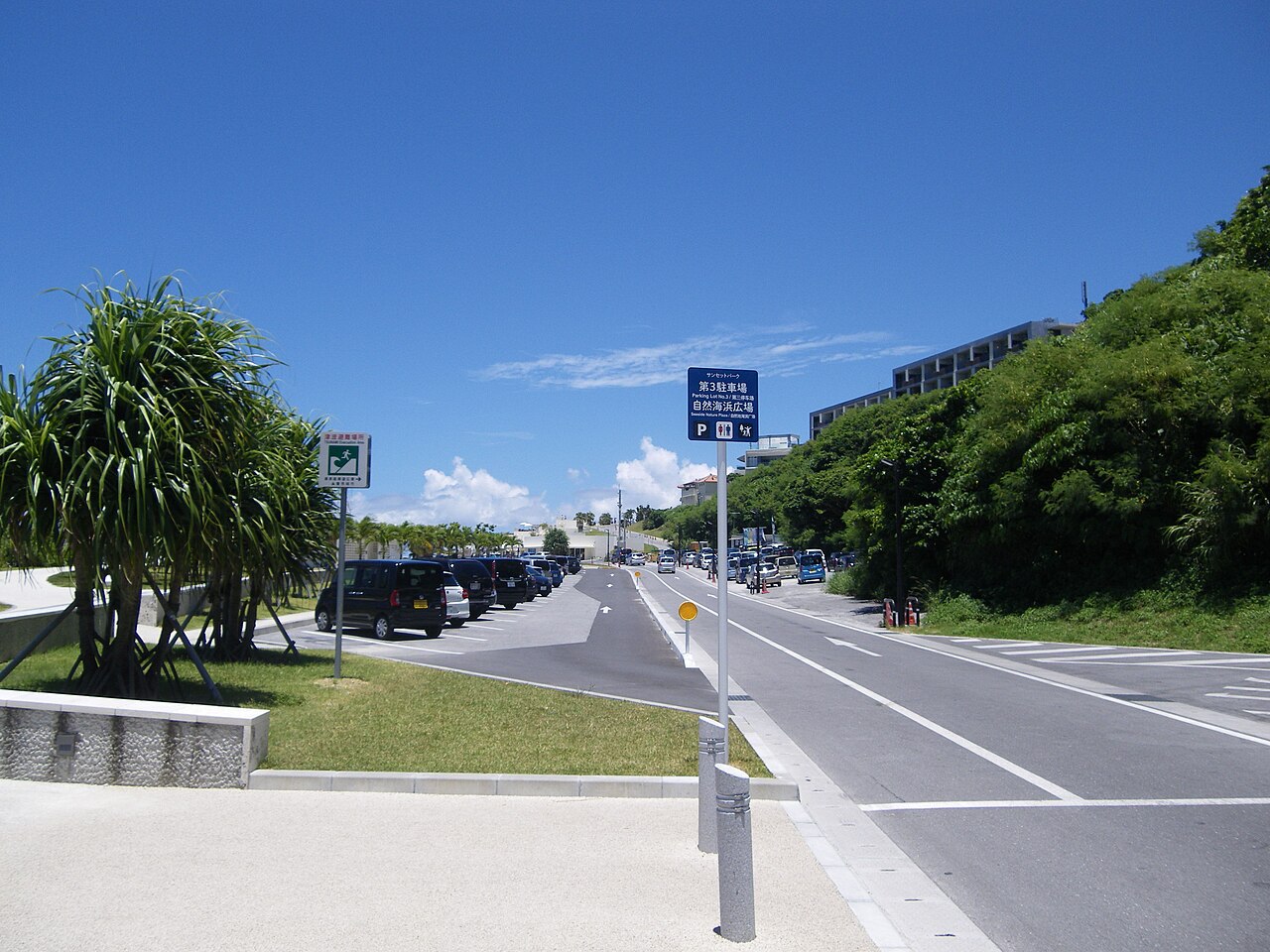
Japanese pay-by-the-hour parking lots (coin parking) come in several types. The two you will most often meet as a traveler are below. Equipment and payment methods differ by operator and location, so what follows is the general flow. Always follow the signs and the instructions on the payment machine on site.
| Lock-plate type | Each space has a barrier (lock plate). It rises when you park, and the car cannot leave until you pay. |
|---|---|
| Gate type | The lot has a gate at the entrance and at the exit. You take a ticket on entry, or your license plate is read. You pay before driving out. |
How to use a lock-plate lot
The lock-plate type is one of the most common you will see in Japan. The general flow is as follows.
- Drive into an empty space, forward or in reverse. Park so that the whole car fits inside the lines.
- Stop and turn off the engine. Before you get out, check that the barrier has come up.
- Remember the number on the space (the space number), or take a photo of it.
- When you leave, enter the space number on the payment machine and pay the amount shown.
- After you pay, the lock plate lowers and you can drive out.
If you move the car while the lock plate is up, you may damage the underside of the car. The key point is: pay at the machine before you drive out, and check that the lock plate has lowered.
How to use a gate-type lot
The gate type is common in large lots and shopping-facility lots. Some take a ticket at the entrance, some read your license plate with a camera, and there are several ways to pay: at a machine at the exit, or at a payment machine beforehand.
- At the entrance, press the ticket button or wait for your plate to be read. Drive on when the gate bar rises.
- If you take a ticket, keep it in a set place in the car so you do not lose it.
- When you leave, insert the ticket or enter your plate number at the payment machine (or the machine at the exit) and pay.
- After paying, drive out through the gate within the set time. Some lots charge extra if it takes too long between paying and reaching the exit, so check the notice.
If you lose the ticket or cannot figure out the payment machine, the basic approach is to call the management company’s number shown on the machine or sign. Take care not to force your way through the gate and hit the car or people nearby.
What to check before parking and before leaving
Checking the following points before you enter and before you leave will reduce trouble in a coin parking lot.
- Opening hours and usable times (some lots are not open 24 hours)
- Height, width and length limits (shown on the sign; check especially if you have a larger wagon-type car)
- How fees work (the billing unit, whether there is a maximum charge, and so on; fees are shown on the sign)
- Payment methods (cash only, or credit cards and transit IC cards; this differs by place)
- Whether the lot is full (if a “full” sign is lit, do not enter; go to another lot)
Payment methods in particular differ by place. Keeping a little change and some bills with you means you will not be stuck at a cash-only machine. If you hit or scratch something in a parking lot, do not leave it; contact UMUI Rent a Car right away.
Where You Must Not Park, and What Happens If You Do
Check road signs and road markings
Places where parking is prohibited are shown by road signs and road markings (lines and characters painted on the road). According to the National Police Agency’s Rules of the Road, you must neither park nor stop where there is a “no stopping or parking” sign or marking. Where there is a “no parking” sign or marking, you cannot park, but a short stop is allowed.
However, it is risky to judge only by whether a sign is present. Even where there is no sign or marking, there are places where the law does not allow you to stop. The next three sections summarize the main places listed in the Rules of the Road.
Places where you may neither park nor stop, even without a sign
According to the National Police Agency’s Rules of the Road, you must neither park nor stop in the following places, except for things like a red light or a stop to avoid danger.
| On the road | On tram tracks, near the top of a hill or on a steep slope, in a tunnel |
|---|---|
| Intersections and corners | At an intersection and within 5 meters of its edge; within 5 meters of a bend in the road |
| Crosswalks | At a crosswalk or bicycle crossing, and within 5 meters before and after its edge |
| Railroad crossings | At a railroad crossing and within 10 meters before and after its edge |
| Safety zones | On the left side of a safety zone and within 10 meters before and after it |
| Bus stops | Within 10 meters of the sign post of a bus or tram stop (only during operating hours) |
Even a spot in town that looks fine may fall within a restricted distance if it is near an intersection corner or a crosswalk. If you feel like parking on the street, first check whether an intersection or crosswalk is nearby.
Places where only parking is prohibited, and time-limited parking zones
You must not park in the following places (unless you have the permission of the chief of the local police station).
| Signs and markings | Places with a “no parking” sign or marking |
|---|---|
| Fire alarm | Within 1 meter of a fire alarm box |
| Entrances | Within 3 meters of a vehicle entrance or exit of a parking lot, garage and the like |
| Road works | Within 5 meters of the edge of a road works area |
| Fire-fighting facilities | Within 5 meters of fire-fighting equipment storage and fire cisterns, and of their entrances onto the road. Within 5 meters of a fire hydrant, a designated fire-fighting water source sign, or a cistern intake |
The Rules of the Road also say you must not park in a place where, once you park, less than 3.5 meters of road space would remain on the right side of the vehicle. On narrow roads this space is easily lost, so be careful.
Urban areas also have “time-limited parking zones” with parking meters or parking-ticket machines. According to the Rules of the Road, in these places you must park in the set way, for example by starting the meter, or by getting a ticket and displaying it on the front of the car. You also cannot park longer than the time shown. If you are not sure how to use them, do not force it; choose a parking lot such as coin parking.
What happens if you violate the rules? The “illegal parking charge” system
Parking enforcement is carried out by police officers and also by parking monitors. According to National Police Agency materials, for a vehicle left parked with no driver present, there is a system in which, if the driver does not pay the fine and so on, the vehicle’s user (the person who manages the vehicle) is ordered to pay an “illegal parking charge” (hochi ihan-kin).
We have not written the specific amounts of the fine or the charge, because we could not confirm the current amounts on the official pages we checked. Amounts may differ depending on the violation, so please check with the Okinawa Prefectural Police or a police station. Also, if you are even slightly unsure about a spot, do not park there; go into a parking lot. That is the surest way, and in the end the cheapest.
If You Park Illegally in a Rental Car (Under the Rental Agreement)
First, the renter deals with it personally
Article 20 of the UMUI Rent a Car rental agreement (https://u-mui.com/rental-agreement/) sets out the “measures in case of illegal parking.” In summary, paragraph 1 says the following.
If the renter or driver parks illegally, they must go to the police station that has jurisdiction over the area, pay the fine and so on themselves right away, and also bear the costs of towing, storage and retrieval. Because it is a rental car, the company does not handle this on your behalf.
If we are notified of an unattended-parking violation
The agreement also describes the flow when the police notify us of an unattended-parking violation involving the rental car.
- We contact the renter or driver and tell them to move the car promptly or collect it.
- We also instruct them to go to the police station that handled the matter and settle the violation by the end of the rental period, or by the time we specify. The renter is to follow these instructions.
- We then check the status of the settlement using documents such as the traffic violation notice, the payment slip and the receipt. If it has not been settled, we continue to give instructions until it is.
- Where we consider it necessary, we may cooperate in establishing responsibility, for example by providing the police with materials containing personal information, such as the self-admission form and the rental certificate. The renter agrees to this.
Billing of costs and registration of information
Under Article 20, paragraph 5, if we pay the illegal parking charge, or incur costs for searching for, moving, storing or retrieving the car, we bill the renter or driver for the amount equivalent to the charge, a parking-violation penalty and the costs of searching, moving and so on (the “parking-violation-related costs”).
In addition, if we receive an order to pay the illegal parking charge, or if the full amount is not paid by the specified date, we may register the name, date of birth, driver’s license number and so on in the information management system of the Japan Rent-a-Car Association. Another provision of the agreement states that this registration lasts no more than 7 years and that the renter agrees to its use in screening by member companies.
For detailed conditions and the finer rules on payment, please check the rental agreement page. Please remember that illegal parking does not end with the fine on the spot.
How to Find Parking at Tourist Spots
Check the official guide for your destination before you set out
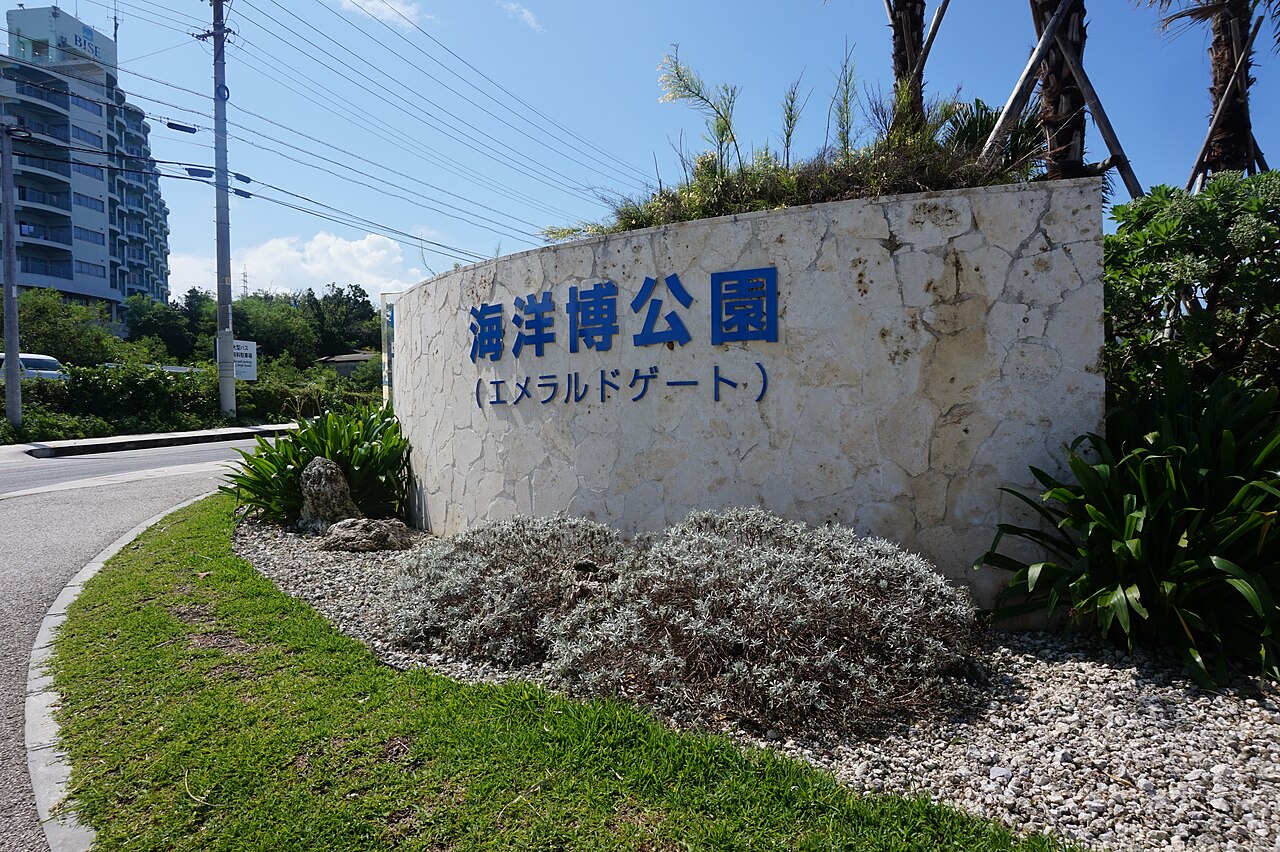
Some tourist spots have their own parking lots, while others have none and you use lots nearby. Before you leave, check the access page of your destination’s official website for whether there is parking and where it is. For spots where the official site says nothing, you will need to look for a pay-by-the-hour lot nearby.
Our blog article “Parking Guide for Sightseeing in Naha” explains how to think about parking at the main sightseeing spots in Naha. It also covers the Shuri Castle Park parking and Makishi Public Market, which has no parking of its own, so please read it as well.
Assume it may be full, and leave room in your time and plans
At popular tourist spots, parking lots can fill up around midday and on weekends. Shift your arrival time, or decide on a second-choice lot in case your first choice is full. A plan with some room keeps you from rushing and parking on the road by mistake. If you have to queue at a lot entrance, take care not to block vehicles behind you or pedestrians.
Park a little farther away and walk, or use the Yui Rail
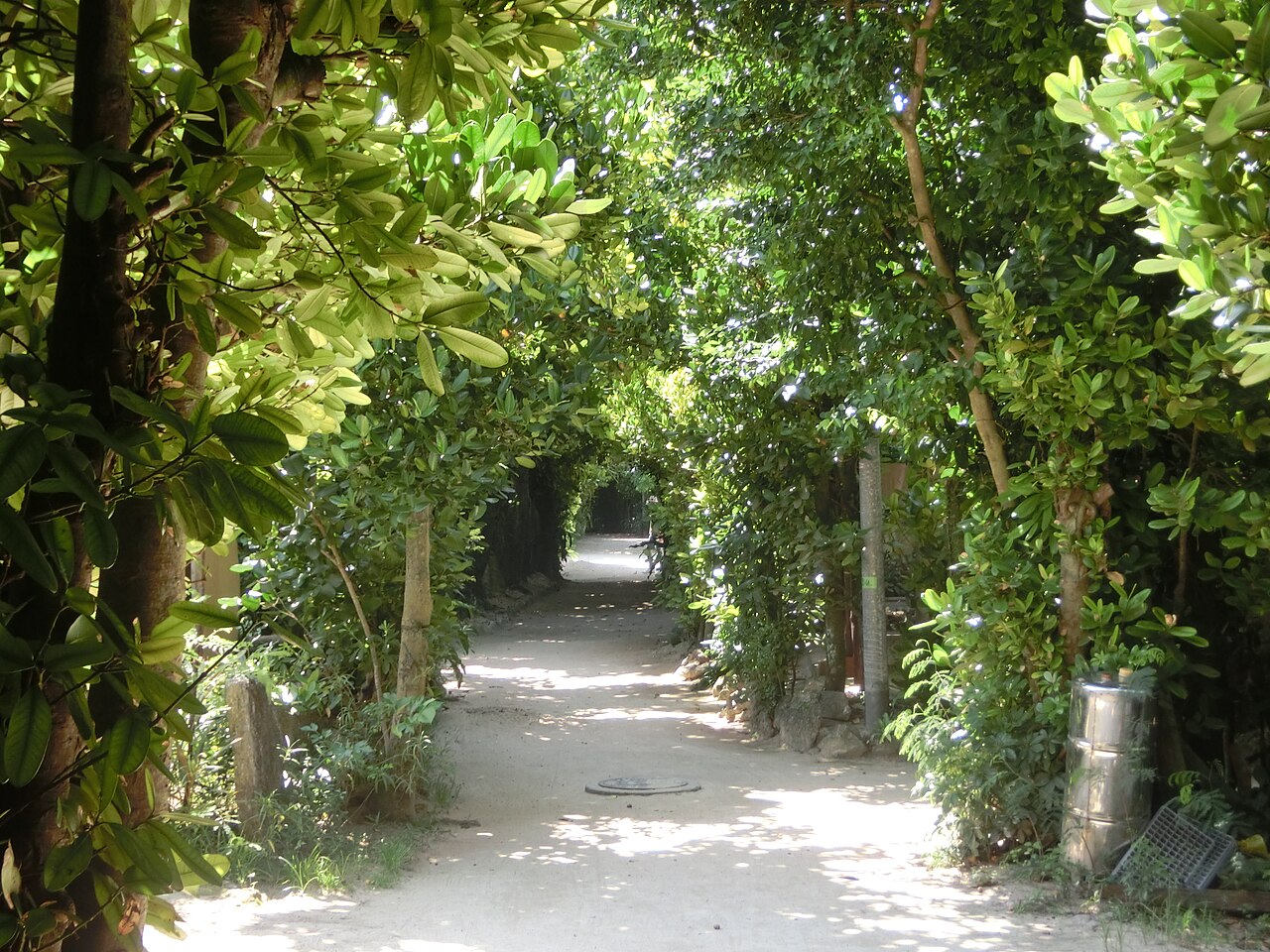
Even if you cannot park right next to your destination, you can park a little farther away and walk. This is safer than forcing your car into narrow roads or streets full of pedestrians, and it helps you stay relaxed.
In Naha, you can also park in one place and get around by Yui Rail and on foot. The parking guide above explains this in more detail. If you are not used to driving here, our blog article “Japan’s Driving Rules for Visitors” will also give you a picture of how to drive in the city.
Know Naha’s enforcement priority areas
The Naha Police Station of the Okinawa Prefectural Police publishes its “Guidelines for Unattended-Vehicle Enforcement and Parking Monitor Activity” (updated May 1, 2025). The priority routes shown are Prefectural Route 39 (from the Asato Sanroku junction to the Naha City Hall intersection, 08:00 to 22:00) and National Route 58 (from the Tomari intersection to the Izumizaki intersection, 08:00 to 21:00). The priority areas include around Palette Kumoji and Kumoji Bridge, around Midorigaoka Park and Tenbusu Naha, around Makishi Public Market, around Naha Main Place, and around the Prefectural Office, Naha City Hall and the bus terminal.
This shows where enforcement is focused; it does not mean you may park anywhere outside these places. When sightseeing in Naha, make sure you park in a parking lot, not on the road.
Preventing Car Break-Ins: Do Not Leave Valuables in the Car
Do not leave valuables inside the car
The Okinawa Prefectural Police’s crime-prevention guidance lists these measures against theft from vehicles: lock the doors firmly, do not leave valuables in the car, and park in a place with good visibility. Do not leave valuables such as your wallet, passport, smartphone and camera in the car, even for a short time.
When traveling you have a lot of luggage, and carrying everything every time you get out of the car is hard. Even so, always take your valuables with you when you get out.
Lock the doors and park where you can be seen
Even for a short shopping stop, always lock the doors when you leave the car. Do not leave a window slightly open, either. Choose a place with foot traffic and good visibility. At night, choose a parking lot in a well-lit area.
Arrange your luggage with care
If you must leave luggage in the car, keep it out of sight: group it together, or put it in the trunk or cargo area. Moving luggage after you arrive at the parking lot can draw attention, so if possible sort it out before you set off, in a place with few people around.
If your car is broken into, or something is stolen or damaged, contact the police (110) and UMUI Rent a Car right away. You can check the coverage and what to do in case of an accident or theft on our coverage page and in the rental agreement.
Frequently Asked Questions
Can I stop on the road if I am only waiting for a moment?
We do not recommend it. If the driver has left the car and cannot drive off immediately, it counts as “parking.” In places where stopping and parking are both prohibited, even a short stop is not allowed. Meeting people and letting passengers in or out are safest done inside a parking lot.
I cannot find the payment machine at a coin parking lot
In many cases the payment machine is near the lot entrance or near the parking spaces. The sign often shows the management company’s phone number, so call if you are stuck. Do not try to force the car out when you have not paid.
What if a parking-violation notice arrives after I return the car?
Article 20 of the rental agreement says that if the police notify us of an unattended-parking violation, we contact the renter and instruct them to settle the violation. For the specific flow, including billing, please check Article 20 of the agreement. Even if you do not recall it, if a notice arrives, please contact us first.
Once you know the parking rules and how coin parking works, driving in Okinawa becomes much more relaxed. If you have questions or concerns, feel free to contact UMUI Rent a Car, even before you book.
* The information in this article is as of October 2026. Traffic rules, penalties, coin parking equipment and fees, and the contents of the rental agreement may change, so please check the latest information with the National Police Agency, the Okinawa Prefectural Police and the official UMUI Rent a Car website.
Photo credits: Wikimedia Commons (CC0 / CC BY 4.0 / CC BY-SA 4.0). The photographer is named in each photo’s caption.