“What is the best month to visit Okinawa? How long can I swim? What should I pack?” When you start planning a trip, weather and the sea are usually the first things you wonder about. Okinawa is warm all year, but winter can bring a chilly north wind, and the rainy season and typhoons can change your plans, so each month has its own character.
This article checks Naha’s monthly temperature, rainfall and sunshine against the Japan Meteorological Agency (JMA) climate normals for 1991 to 2020, then goes month by month through what to wear, a rough guide to when you can swim, and what to watch for when driving. It also covers the average start and end dates of the rainy season, and how to deal with typhoons and the winter north wind. If you are touring the island by rental car, the trick is to choose destinations and times of day to suit the weather. Use this as background research before you fix your travel dates.
Understanding Naha’s Climate Through JMA Normals
What Are “Normals”?
JMA’s “normals” are averages of observations over the past 30 years. This article uses the 30 years from 1991 to 2020 for Naha (Okinawa Meteorological Observatory). They tell you what is typical, but the actual weather varies a lot from year to year. Even in June, some years have rain day after day, while in others the rainy season ends early and the sunshine continues. Treat the numbers as a guide for packing, and always check the forecast just before you travel.
The temperatures here are observations from Naha city. How it feels can differ a little by place and time of day, for example in the Yanbaru area in the north or along the coast in central Okinawa.
Naha Across the Year
Naha’s average annual temperature is 23.3°C, annual rainfall is 2,161.0 mm, and annual sunshine is 1,727.1 hours. Even in the coldest month, January, the average temperature is 17.3°C, and in the hottest month, July, it is 29.1°C, so the range across the year is not very large. Rainfall, however, varies by month. June (284.4 mm) in the rainy season and September (275.2 mm) in autumn are especially wet, and May (245.3 mm) and August (240.0 mm) are also on the wet side. Sunshine is longest in July at 227.0 hours and shortest in January and February at 93.1 hours.
People often assume winter is dry, but even January averages 101.6 mm of rain. It is safest to assume that rain can come at any time of year and keep a few rainy-day options in your plans. For ideas, see our article Rainy Day Drives on Okinawa Island.
Average Start and End of the Rainy Season
According to JMA, the average start of the rainy season in the Okinawa region is around May 10, and the average end is around June 21 (the averages are for 1991 to 2020). That is a season of about six weeks, but it varies from year to year. The records for the last five years show how much.
| Normal | Starts around May 10 / Ends around June 21 |
|---|---|
| 2022 | Started around May 4 / Ended around June 20 |
| 2023 | Started around May 18 / Ended around June 25 |
| 2024 | Started around May 21 / Ended around June 20 |
| 2025 | Started around May 5 / Ended around June 7 |
| 2026 | Started around May 4 / Ended around June 29 |
In 2025 the rainy season ended in early June, but in 2026 it lasted until around June 29. So the normal start is around May 10 and the normal end is around June 21, but these dates are only a guide. If you travel in May or June, bring a backup plan for rainy days (Source: JMA, “Start and end of the rainy season (Okinawa)”).
Winter to Spring (December to May): Weather, Clothing and the Sea
December to February: Winter Is Not Cold, but the Wind Is
Winter in Naha averages roughly 17 to 19°C. On some days one long-sleeved layer is enough, but the normal daily minimum is 14.9°C in January and 15.1°C in February. In the morning and evening, on rainy days and on windy days, a light coat or windbreaker is reassuring. In JMA’s normals, the average wind speed in January is 5.3 m/s and the most frequent wind direction is north-northeast. On the coast and at viewpoints, the north wind makes it feel colder than the numbers suggest.
| Dec | Avg 19.0°C (max 21.5 / min 16.8) · rain 110.0 mm · sunshine 107.4 h |
|---|---|
| Jan | Avg 17.3°C (max 19.8 / min 14.9) · rain 101.6 mm · sunshine 93.1 h |
| Feb | Avg 17.5°C (max 20.2 / min 15.1) · rain 114.5 mm · sunshine 93.1 h |
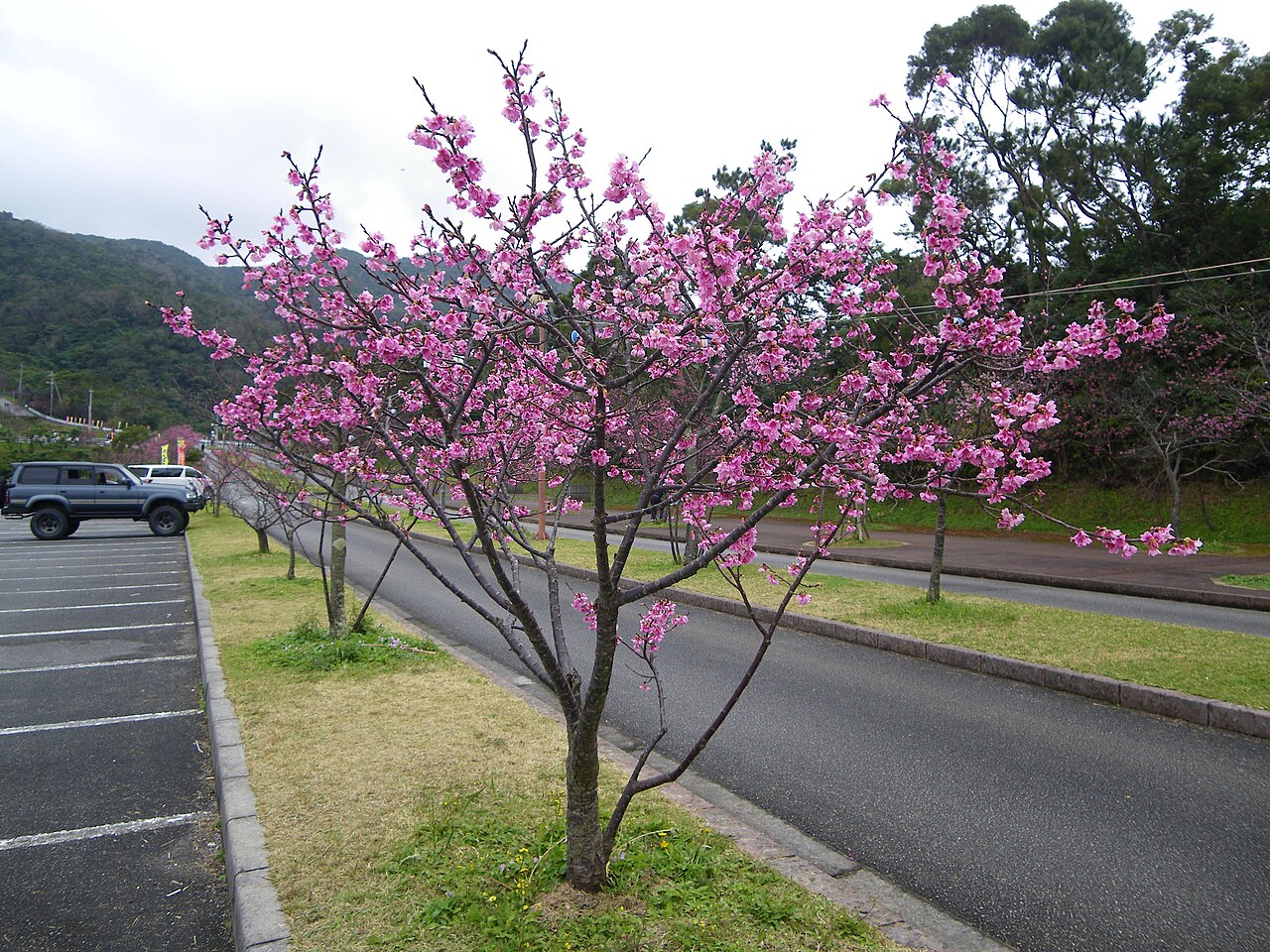
This is outside the swimming season at beaches, and there are no lifeguards, so we do not recommend going into the sea. Instead, from mid-January to early February, cold-cherry blossoms bloom in places such as Mt. Yae and Nago in the north, and cherry blossom festivals are held in various towns (bloom times and dates change each year, so check the organizers’ official information before you go). Sunshine is short and many days are cloudy, so it is easier to plan sightseeing by combining it with indoor attractions.
March and April: Bring One Layer, and It Is Still Early for the Sea
The average is 19.1°C in March and 21.5°C in April, getting warmer day by day. More days are comfortable in short sleeves, but a light layer is handy in the morning and evening and on windy days. Rainfall rises gradually, from 142.8 mm in March to 161.0 mm in April.
| Mar | Avg 19.1°C (max 21.9 / min 16.7) · rain 142.8 mm · sunshine 115.3 h |
|---|---|
| Apr | Avg 21.5°C (max 24.3 / min 19.1) · rain 161.0 mm · sunshine 120.9 h |
The opening day of each beach differs. For example, Araha Beach in Chatan, reachable by car from Naha, started its 2026 swimming period on April 10. If you plan to go to the sea in spring, check the beach’s official website for the opening date and swimming hours, and when you swim, stay inside the swimming area and within the hours when lifeguards are on duty.
May: The Rainy Season Begins, so Prepare for Rain and Humidity
May averages 24.2°C, almost summer temperatures. Rainfall jumps from spring levels to 245.3 mm, and the normal start of the rainy season is around May 10. Short sleeves are the basic choice, and an umbrella, a light rain jacket and shoes that can get wet will let you keep moving in sudden rain. Sunshine can be strong in the daytime, so also bring sunscreen and a hat.
| May | Avg 24.2°C (max 27.0 / min 22.1) · rain 245.3 mm · sunshine 138.2 h |
|---|
Golden Week sometimes falls around the start of the rainy season, and the sky can look very different from year to year. If rain is forecast, it is reassuring to have indoor attractions in your itinerary.
Rainy Season to Summer (June to August): Weather, Clothing and the Sea
June: Rain and Humidity Near the End of the Rainy Season
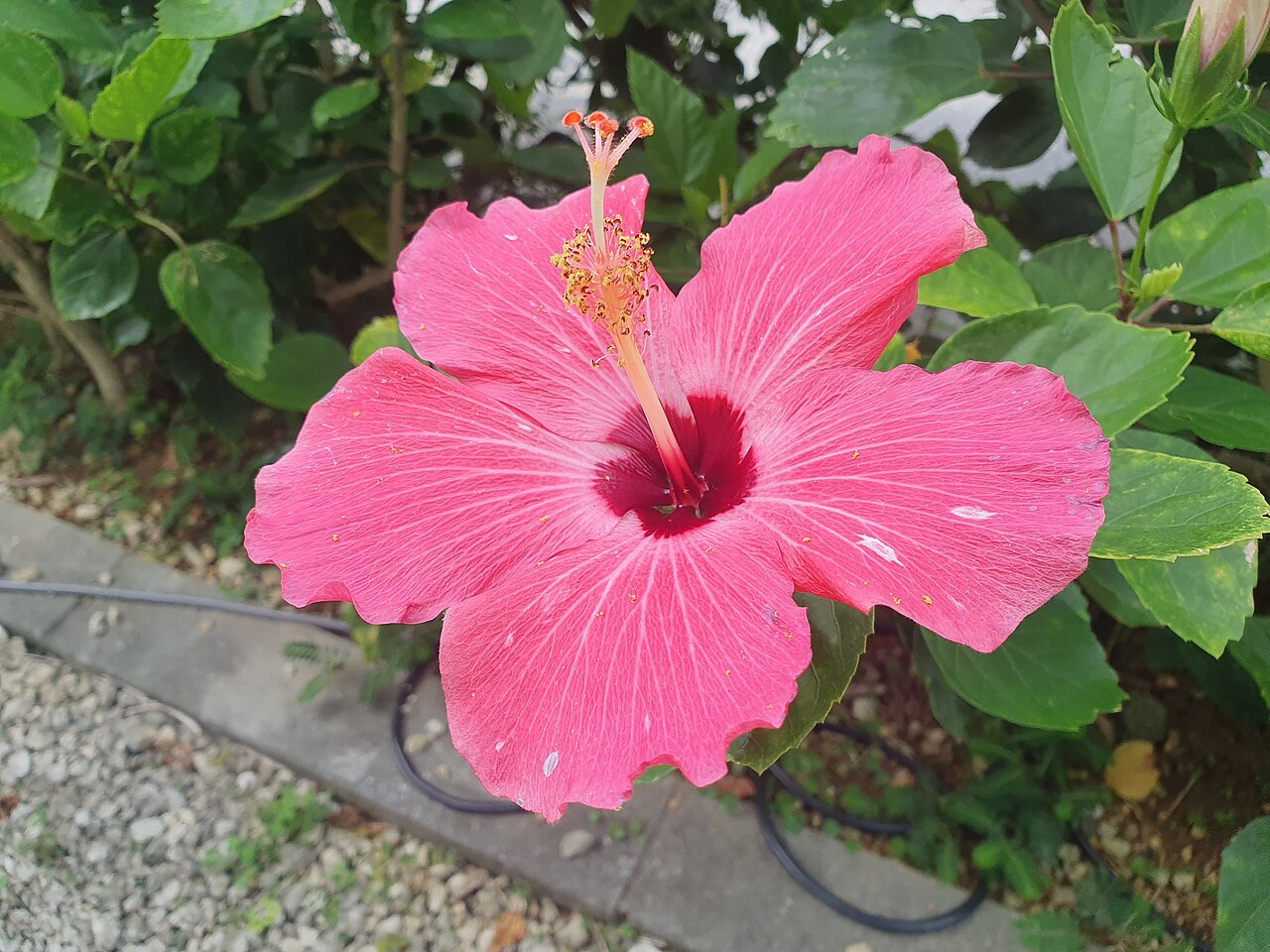
June has the most rain of the year at 284.4 mm, and the average humidity is also high at 83% (JMA normals). The average temperature is 27.2°C, and many days feel hot and humid. Short sleeves are the basic choice, and clothes that dry quickly after sweat or rain are comfortable. Cars and buildings are often air-conditioned, so bring a light layer too.
| Jun | Avg 27.2°C (max 29.8 / min 25.2) · rain 284.4 mm · sunshine 159.5 h |
|---|
The normal end of the rainy season is around June 21. Afterward the sun gets stronger, and in July sunshine reaches 227.0 hours. Some years end early, while in others, like 2026, the end comes around June 29, so for a June trip it is reassuring to prepare both a plan that works in the rain and a “beach if it clears up” plan.
July and August: Peak Sun and Heat, so Hydrate and Protect Your Skin
In July and August, Naha’s average temperature is in the 29°C range, and the normal daily maximum is 31.9°C and 31.8°C. Sunshine is the longest of the year, and the strength of the sun is the hallmark. Short sleeves and shorts, plus a hat and sunglasses, are a good idea. Do not forget to drink water often, reapply sunscreen and guard against heatstroke.
| Jul | Avg 29.1°C (max 31.9 / min 27.0) · rain 188.1 mm · sunshine 227.0 h |
|---|---|
| Aug | Avg 29.0°C (max 31.8 / min 26.8) · rain 240.0 mm · sunshine 206.3 h |
This is peak beach season. Some beaches extend their swimming hours into the evening. For example, according to its official website, Toyosaki Chura-SUN Beach (Tomigusuku) has swimming hours of 9:00 to 19:00 in July and August (9:00 to 18:00 in April to June and September to October). Hours can change from year to year, so check the official information before you go.
Sudden Summer Rain and Typhoon Formation
In summer, rain can fall suddenly between spells of strong sun. It often stops quickly, but if the sky darkens or you hear thunder, get out of the water and move somewhere with a roof. Swimming can also be suspended at swimming areas depending on the weather. We cover typhoons in more detail in “Seasonal Driving Tips” later in this article.
Autumn (September to November): Weather, Clothing and the Sea
September and October: Still Summer, but Watch for Typhoons and Early Sunsets
The average is 27.9°C in September and 25.5°C in October, so autumn feels like an extension of summer. Rainfall in September is high at 275.2 mm, and it is also a period when typhoons can affect Okinawa. Short sleeves are the basic choice, and in October a light layer is reassuring in the evening or on rainy days.
| Sep | Avg 27.9°C (max 30.6 / min 25.8) · rain 275.2 mm · sunshine 181.3 h |
|---|---|
| Oct | Avg 25.5°C (max 28.1 / min 23.5) · rain 179.2 mm · sunshine 163.3 h |
In October the days get shorter and beaches stop swimming earlier. For example, Araha Beach’s 2026 swimming hours in October are 9:00 to 17:00. To avoid rushing in the evening, we recommend going to the sea early in the day.
November: Only a Few Beaches Are Open for Swimming
November averages 22.5°C, a climate where it is easy to adjust by layering short and long sleeves. Rainfall drops to 119.1 mm. The days are comfortable and it is a good season for driving, but the swimming season at most beaches ends at the end of October. In 2026, Araha Beach was announced as open until November 30 (November was treated as an extension not yet decided), and Azama Sun-Sun Beach (Nanjo) until November 8.
| Nov | Avg 22.5°C (max 25.0 / min 20.4) · rain 119.1 mm · sunshine 121.7 h |
|---|
If you go to the sea at this time, check the beach’s notices just before you go to see whether swimming is allowed. Even when you cannot swim, a walk by the sea or a drive is still enjoyable.
Month by Month: How Long Can You Swim in Okinawa?
The Swimming Season Is Basically From Opening Day to Around the End of October
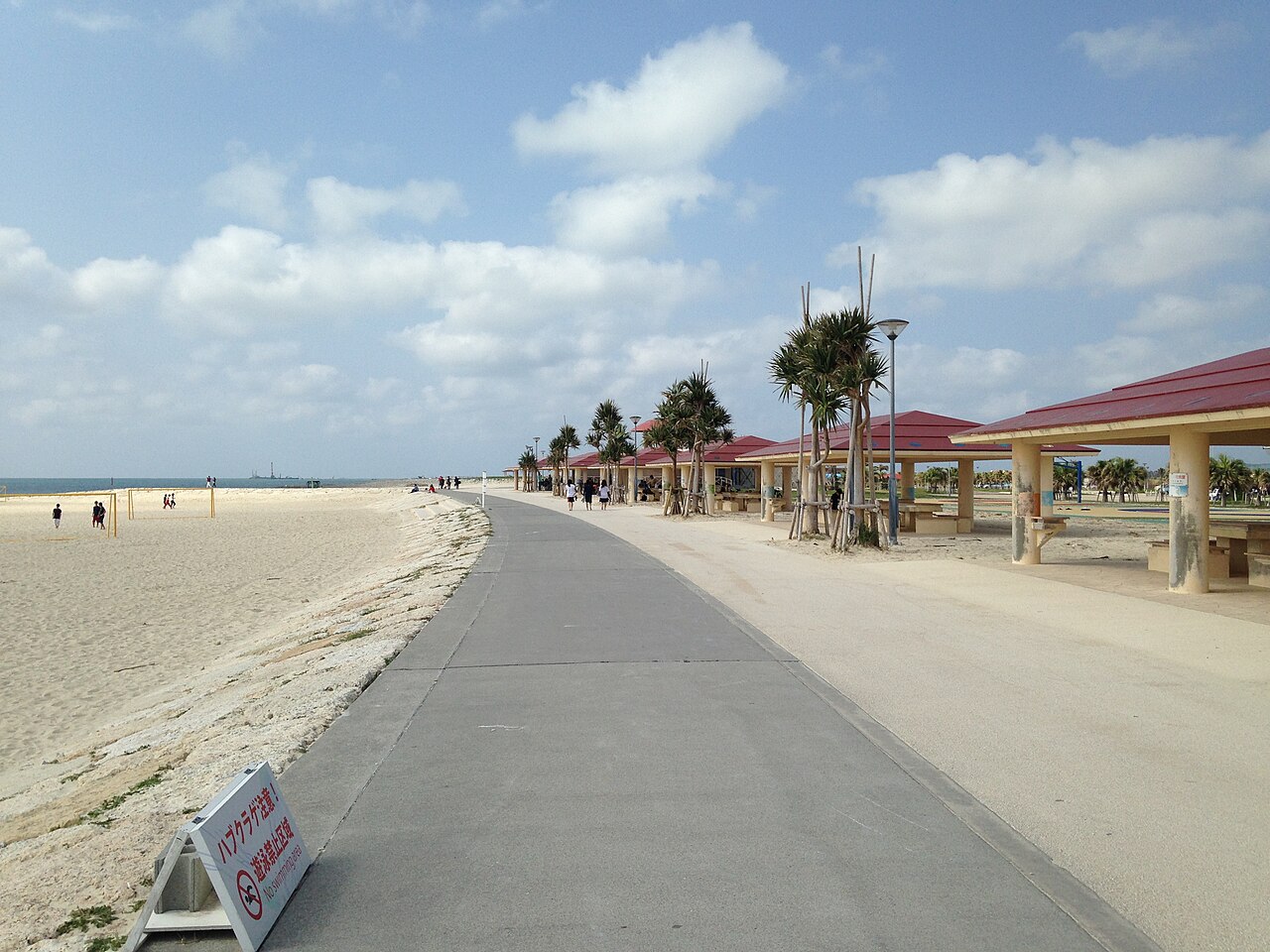
Okinawa’s sea is beautiful all year, but lifeguards and swimming areas are generally provided at beaches only from opening day until around the end of October. The swimming season is basically from opening day to around the end of October, but the period differs by beach. For example, Ginowan Tropical Beach is announced as open from opening day to October 30, Bibi Beach Itoman until the end of October, and Araha Beach until November 30 in 2026 (as of October 2026, according to each beach’s official website). For a detailed comparison, see 5 Scenic Beaches Within an Hour of Naha by Car.
Outside the Season, and on Typhoon or Bad-Weather Days
Before and after the swimming period there are often no lifeguards, so avoid swimming. Even during the period, swimming can be suspended on days with a typhoon, bad weather or a risk of lightning. Whether you can swim changes from day to day, so before you set out, check whether swimming is allowed that day on each beach’s official website or notices.
Preparing for Box Jellyfish, Sunburn and Heatstroke
The box jellyfish (habu-kurage) is the thing to be especially careful about in Okinawa’s sea. Okinawa Prefecture urges people to swim inside the net at beaches with box jellyfish protection nets and to check whether a net is present before going to the sea. If you are stung, you are advised to get out of the water immediately, pour vinegar on the area without rubbing, remove the tentacles, cool the area and see a doctor. Even on days when you do not go into the water, watch for sunburn and heatstroke under the strong sun.
If you are traveling with children, stay within the swimming area and the lifeguard hours, and keep your eyes on them at the water’s edge. Rules for each beach are also covered in detail in our beach article.
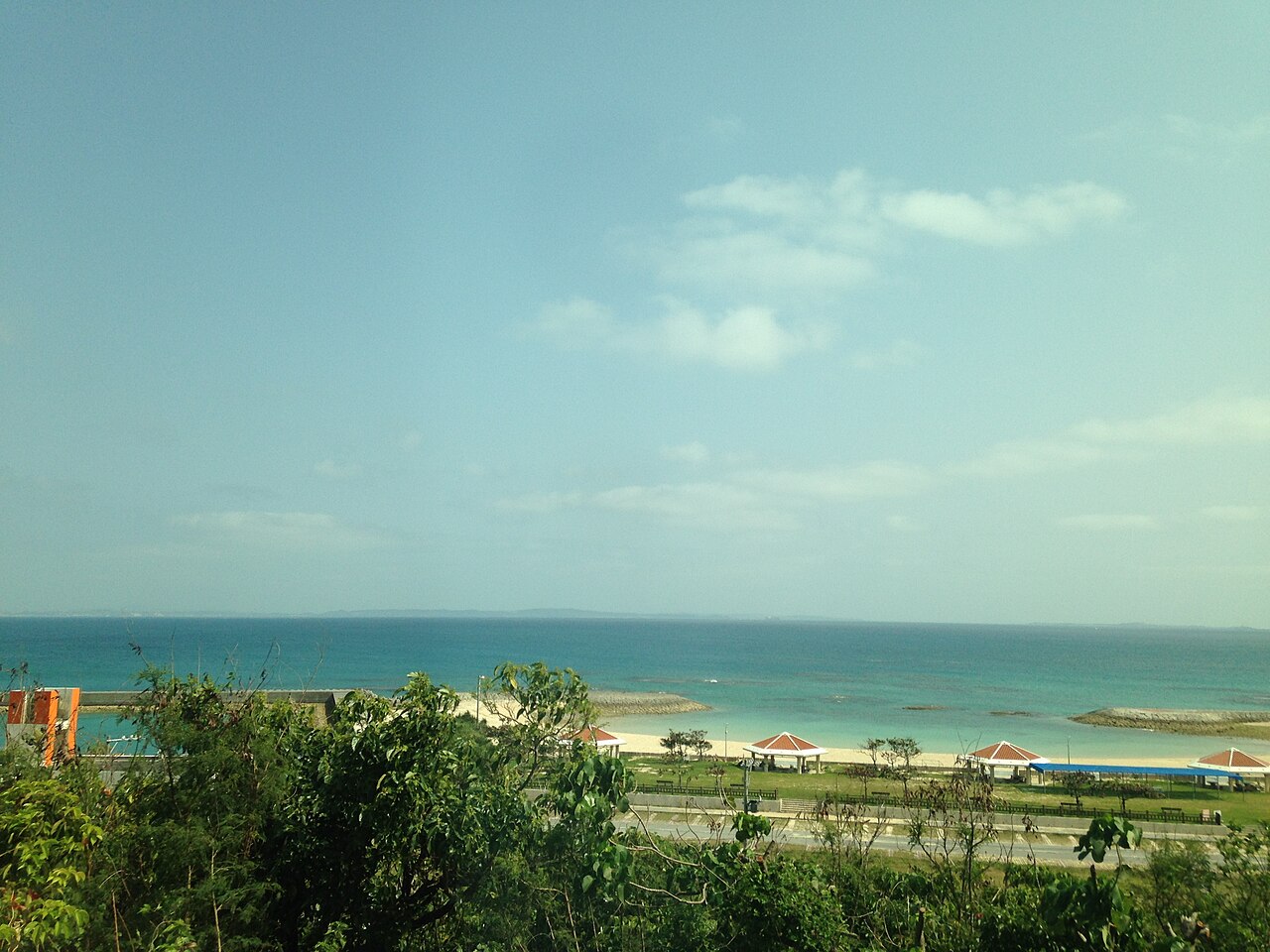
Seasonal Driving Tips: Rainy Season, Typhoons and the Winter North Wind
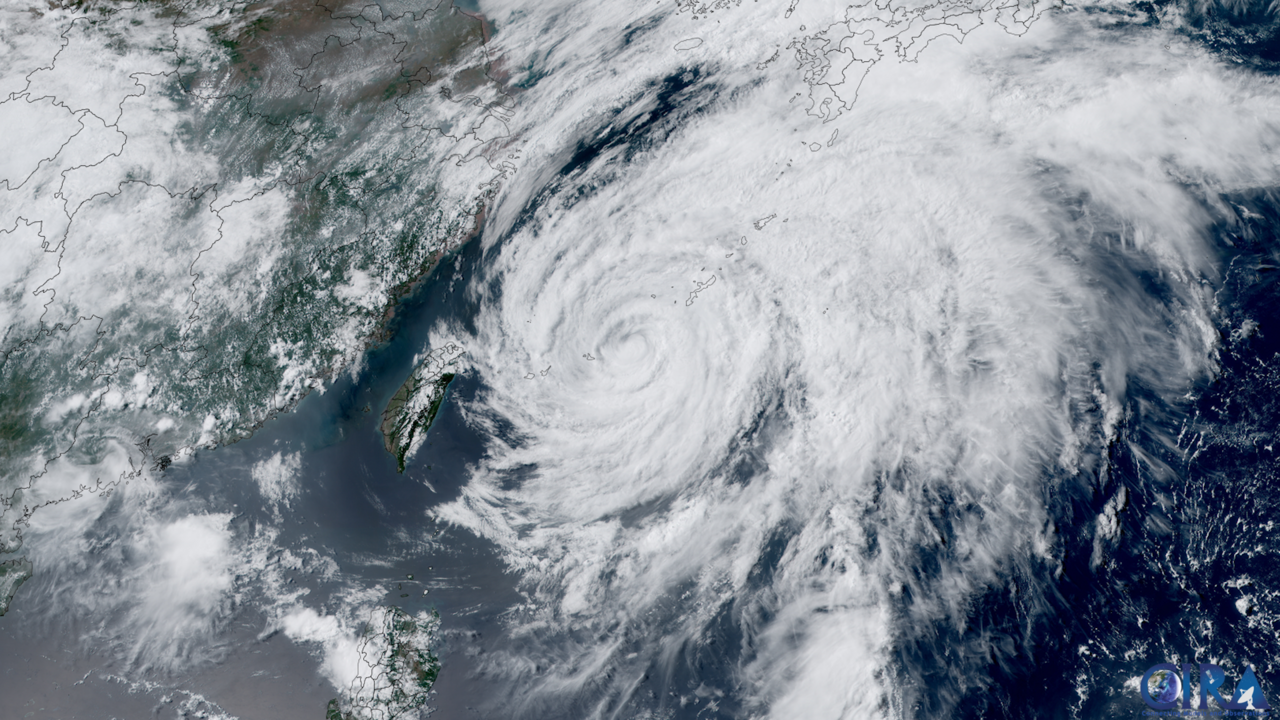
Driving in the Rainy Season: Watch Visibility and the Road Surface
During the rainy season, the rain can fall hard on some days. Use your wipers properly, turn on your lights, leave extra distance from the car ahead and drive more slowly than usual. It is also important that you never enter flooded roads or underpasses. The water can be deeper than it looks, and your car could stall.
For rainy-day driving and recommended indoor spots, see our article Rainy Day Drives on Okinawa Island.
Traveling in Typhoon Season: Take Special Care From July to October
According to JMA statistics, typhoons come within range of Naha an average of 4.0 times a year (1991 to 2020), and approaches are most common from July to around October. When a typhoon approaches, avoid driving, and do not go to the sea or rivers to look. UMUI Rent a Car’s typhoon policy is on our typhoon policy page, and for bookings, cancellations and driving cautions see Okinawa Typhoon Season: What to Do About Your Rental Car Booking and Cancellation.
If your schedule allows, it is reassuring to build in one spare day so you can still move around if a typhoon arrives.
The Winter North Wind: Mind Coastal Driving and How the Temperature Feels
In winter, north-leaning winds blow on many days, and in JMA’s normals the most frequent wind direction from December to March is north to north-northeast. On windy days it is easy to get pushed around on coastal roads and bridges, so slow down and hold the steering wheel firmly. It also helps to know that tall vehicles catch crosswinds more easily.
When you step out of the car at a viewpoint or beach, the wind makes it feel colder. If you leave a jacket in the car, you will not be caught out in the cold. On days when the waves are high, stay away from seawalls and rocky shores.
Planning by Month: Frequently Asked Questions
Which Month Is Best If I Want to Swim?
Swimming periods at beaches generally run from opening day to around the end of October. Within that period, July and August after the rainy season are times of strong sun and long hours of sunshine. However, typhoon approaches are also most common from July to October, so it is safest to leave some slack in your schedule. May and June fall in the rainy season, so have rainy-day options ready.
What Should I Pack for a Winter Trip?
A light jacket or windbreaker and long-sleeved shirts are the basics. In the morning and evening, or on windy days, one extra layer makes a big difference. Do not plan on swimming; think instead of cherry blossoms (around mid-January to early February), indoor attractions and scenic drives.
Is a Rental Car Still Useful on Days When the Weather Looks Bad?
Yes. On rainy days, a car widens your options, such as hopping between indoor attractions or visiting an aquarium or a shopping mall. However, when a typhoon is approaching, avoid driving. For changes or cancellations of your booking, please check the guidance on the UMUI Rent a Car website.
Okinawa is an island that shows a different face every month. If you know the weather tendencies, you can anticipate where to go, what to wear and whether you can swim. UMUI Rent a Car offers a free shuttle from Naha Airport to our shop. Once your dates are set, we hope you will consider booking with us as you plan an itinerary to suit the weather.
* The temperature, rainfall, sunshine, wind and rainy-season dates in this article are based on JMA statistics (Naha normals for 1991 to 2020; start and end of the rainy season for Okinawa) and are current as of October 2026. Weather varies greatly from year to year. Swimming periods and hours differ by beach and can change, so please check each beach’s official website before you go.
Photo credits: Wikimedia Commons (CC0 / CC BY-SA 4.0 / Public domain). The photographer is credited in each photo’s caption.