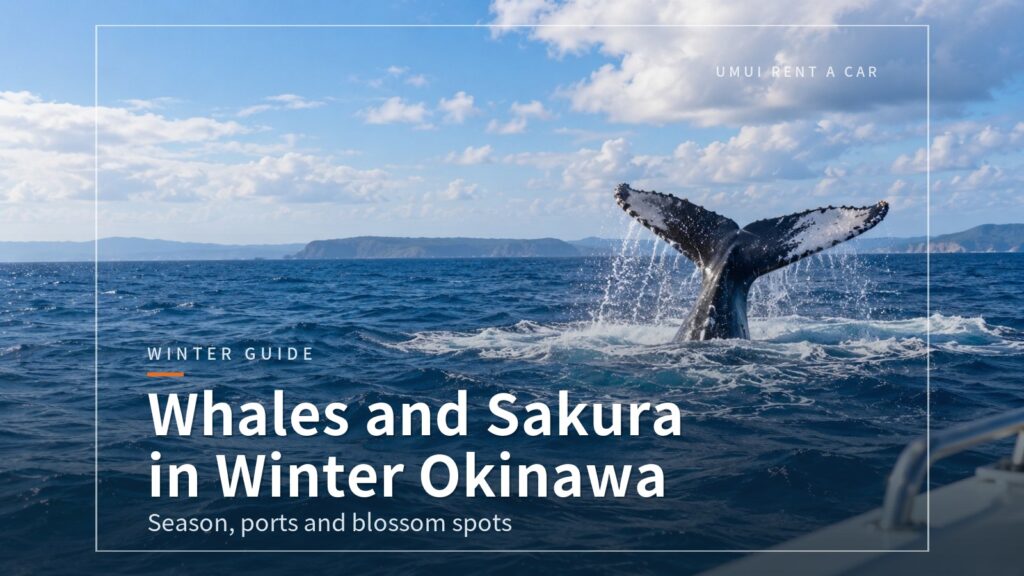
Think Okinawa has nothing to offer in winter because you can’t swim? Think again. From late December into early spring, humpback whales appear offshore, and on land the earliest cherry blossoms in Japan (Kanhizakura, the “cold-cherry”) come into bloom. It is a season with pleasures you won’t find at any other time of year.
This article covers the winter whale-watching season and departure ports, how a tour day usually goes, the best cherry blossom spots and timing in northern Okinawa, and winter temperatures, north winds and what to wear, all from the point of view of someone traveling by rental car. Whales and blossoms both shift a little from year to year, so this article sticks to information that can be confirmed on official sites.
The Big Picture: A Winter Drive in Okinawa
Winter Specials: When Are the Whales and the Blossoms?
According to Okinawa’s official tourism site, Okinawa Story, the best whale-watching season runs from late December to early April each year. Humpback whales that spend the summer in cold northern waters return to the sea around Okinawa to breed and raise their calves. Cherry blossoms in the northern part of the main island are usually at their best from early January to early February, and the “cherry blossom front” then moves south.
| Late Dec. to early Apr. | Whale-watching season (the exact period differs by year and by operator) |
|---|---|
| Early Jan. to early Feb. | Rough guide to peak Kanhizakura in northern Okinawa (Mt. Yae, Nago, Nakijin and others) |
| Late Feb. | Cherry blossom festival around Naha (in 2026, Manko Park on Feb. 21-22) |
All of these shift from year to year. The blossom timing and the dates of tours and festivals change every year, so check the official information for the year you travel when you fix your dates.
Think of It as a “Sea Day” and a “Mountain Day”
Whale watching means going out to sea on a boat, while cherry blossoms mean driving through the hills and castle ruins of the north. They take different amounts of time and call for a different way of moving. Rather than cramming both into one day, planning a whale-watching day and a blossom day separately is easier on both the driver and the passengers. Sample plans for each follow later in the article.
Winter Temperatures, North Winds and What to Wear
For detailed monthly figures on temperature and rainfall, see Okinawa Weather and Sea by Month: What to Wear and What to Watch for on a Road Trip. Here we only cover the parts that matter for a winter drive.
Winter in Naha: Not Cold, but the Wind Is Chilly
According to the Japan Meteorological Agency’s normals (1991-2020), Naha’s average temperature is 19.0°C in December, 17.3°C in January and 17.5°C in February. The normal minimum is 14.9°C in January and 15.1°C in February. That is far milder than winter on the mainland, and on some days a single long-sleeved layer is enough. However, sunshine hours are the shortest of the year, 93.1 hours in both January and February, and cloudy days are common. People often assume winter is dry, but January still brings 101.6 mm of rain.
On North-Wind Days, Watch the Coast Roads and Bridges
Northerly winds blow on many winter days, and in the JMA normals the most frequent wind direction from December to March is north to north-northeast. The average wind speed in January is 5.3 m/s, so on the coast and at lookouts it feels colder than the numbers suggest. When driving, slow down on coast roads and bridges on windy days and keep a firm grip on the wheel. Tall vehicles such as wagons are more exposed to crosswinds. In the north, the Kouri Bridge and the coastal roads of the Motobu Peninsula are especially exposed to wind.
Winter Clothing: Layers You Can Take Off and Put On
The basic combination is a long-sleeved shirt with a light coat or windbreaker that is easy to put on and take off. On a boat or at a hilltop lookout the wind is stronger and it feels colder than in town, so a jacket that blocks the wind helps. If you plan to see blossoms lit up at night, bring one more layer, because it is colder and the wind feels sharper than during the day. Cars and buildings are warm, so layering lets you adjust. This is outside the swimming season, and there are no lifeguards, so do not plan to get in the water.
Whale Watching: Season and Departure Ports
When the Humpback Whales Come
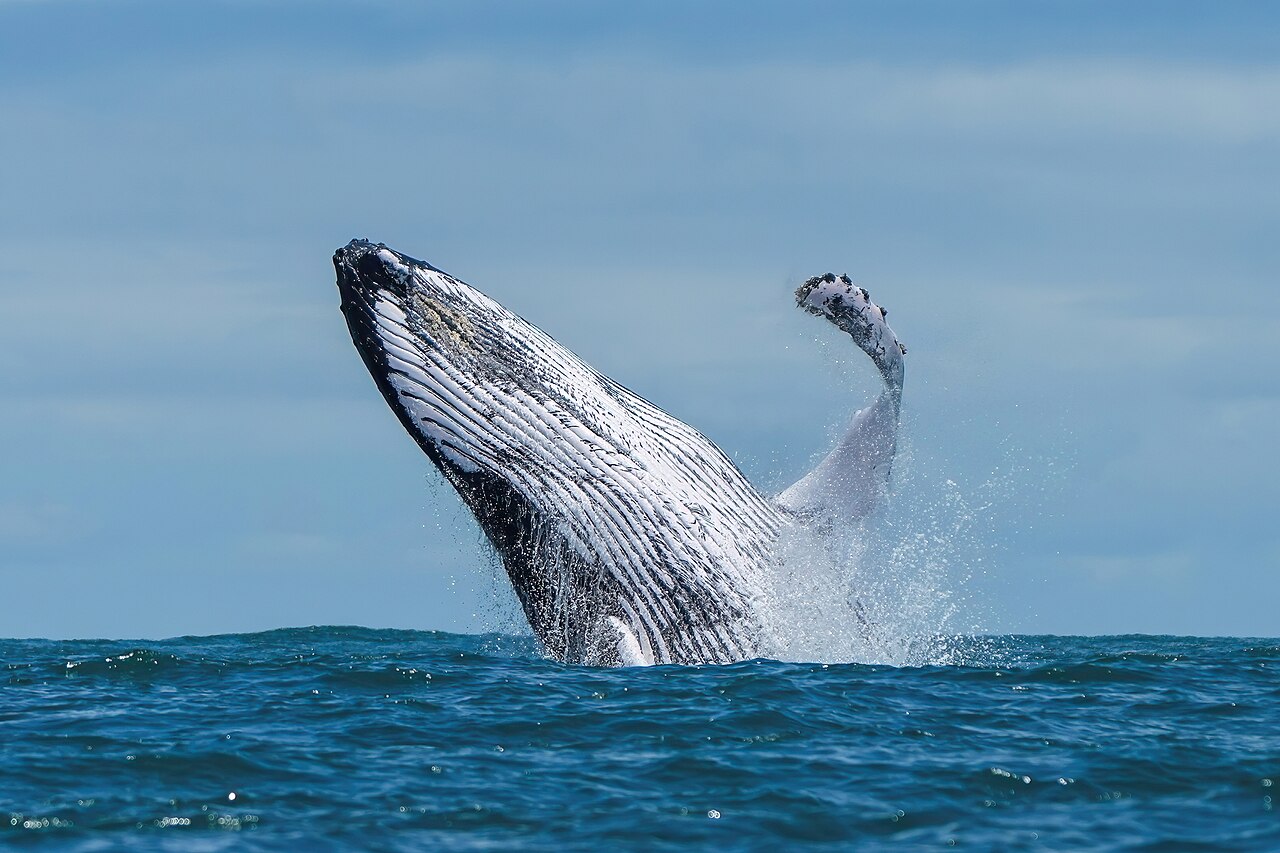
The whales that tours look for in Okinawa are mainly humpbacks. Okinawa Story says the whale-watching season runs from late December to early April, and that tour boats leave almost every day from the main island and from Zamami Island. The Zamami Village Whale Watching Association’s 2026 tour period was January 8 to March 25, and the association notes that “the period differs from year to year.”
Whales are wild animals, so there is no guarantee you will see one. The association explains that spotters on the island’s lookouts search for whales and guide the boats, and that the encounter rate is said to be over 90 percent, but conditions vary with the sea and the year. Go with an attitude of “it will be a bonus if we see one” and leave some slack in the rest of your schedule, and you are less likely to be disappointed.
Departure Ports Fall into Three Groups
Ports differ by operator. Tours listed on Okinawa Story include boats from Zamami Island (member boats of the Zamami Village Whale Watching Association), as well as operators in Minatomachi in Naha, Hamagawa Fishing Port in Chatan, and Motobu (all taken from listings for the 2025 season).
- From Zamami Island: Close to where the whales are, so the boat travels a short distance. To reach Zamami from Naha you must first cross on a scheduled boat (high-speed boat or ferry).
- From Naha: Close to the city and easy to combine with picking up and returning your rental car.
- From Chatan or Motobu: Easy to combine with sightseeing in central and northern Okinawa.
The meeting point, duration, price and cancellation terms all depend on the departure port. Always confirm the port and meeting time before you book.
| Zamami Village Whale Watching Association | 沖縄県島尻郡座間味村座間味地先1 |
|---|---|
| 2026 tour period | January 8 to March 25 (differs by year) |
| Duration | About 1 to 2 hours (morning and afternoon tours; varies with whale sightings and sea conditions) |
| Booking | Individuals and groups book directly with each whale-watching boat’s shop |
| Price | Differs by shop, so confirm when booking |
Crossing to Zamami from Tomari Port in Naha
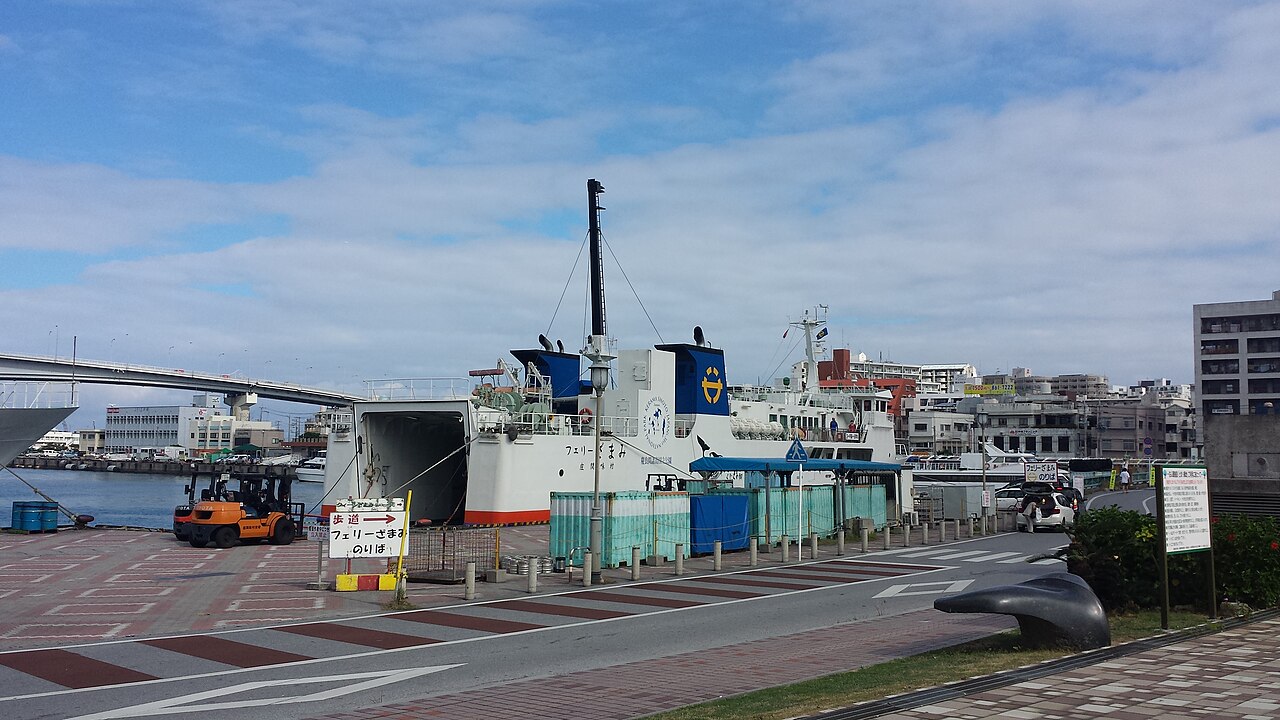
Zamami Island is reached by scheduled boat from Tomari Port in Naha. As a rough guide, the high-speed boat takes about an hour and the ferry, which calls at Aka Island on the way, about two hours (this varies with the sailing and the season). Sailing days, times and fares can be checked on the Zamami Village official site (vessel information). Boats may be cancelled when the waves are high, so allow some margin if you have a flight or other plans the next day.
| Departure point | Tomari Port, Naha (the high-speed boat and the ferry use different piers, so check beforehand) |
|---|---|
| Approx. travel time | High-speed boat about 1 hour / ferry about 2 hours (via Aka Island) |
| Sailing days, times, fares | Check the vessel information on the Zamami Village official site |
| Parking | Parking near Tomari Port varies in capacity and price by lot, so check in advance |
How a Tour Day Goes, and Etiquette
The Usual Flow from Booking to Boarding
According to the Zamami Village Whale Watching Association, individuals and groups book directly with each whale-watching boat’s shop. After booking, you head to the port in time for the meeting place and time. Once aboard, the boat heads out to the waters where the captain and guide look for whales. When one is found, you watch from the required distance. Tours generally last about one to two hours. Departure and stay times can change depending on whale sightings and sea conditions, so keep an eye on messages about the meeting time and on the weather.
If you want to keep sightseeing after the tour, you can do the morning tour and head into town or to the blossoms in the afternoon. Check the route and parking the day before so you don’t miss the boat.
Whale-Friendly Watching Rules
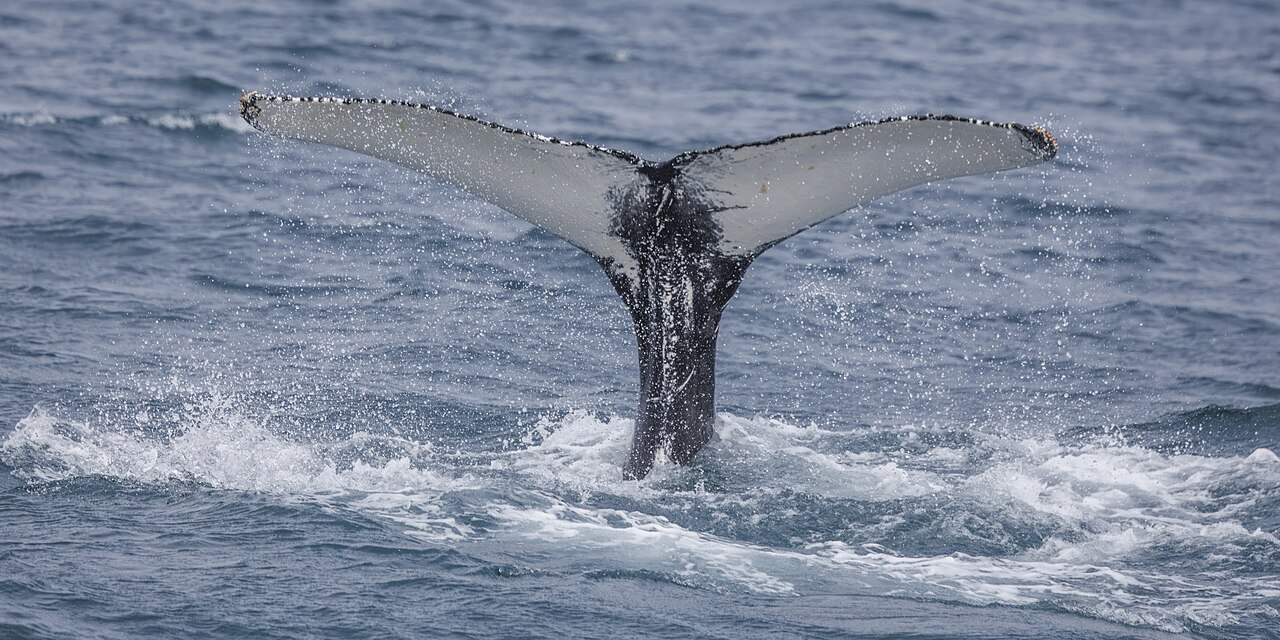
The Zamami Village Whale Watching Association has set voluntary rules to keep the burden on whales low. They apply in waters within 10 nautical miles (18 km) of Zamami Village’s coasts, among other areas, and the main points are as follows.
- Within 300 m of a whale is a slow zone, and within 100 m is a restricted zone, where boats must not approach the whale themselves.
- Watching a single whale or group is limited to two hours in principle. For a mother and calf, one hour each in the morning and the afternoon across all boats.
- Entering the water to watch whales (swimming with them, diving, snorkeling) is prohibited, and underwater photography is also prohibited in principle.
In short, whales are watched “from the boat.” Sometimes a whale approaches the boat by itself, and in that case the boat stops and just watches. On board, follow the instructions of the guide and captain.
Seasickness, Weather and What to Bring
The association explains that the watching points are close to the coast and the travel distance is short, so the risk of seasickness is relatively low. Even so, if you are worried about motion sickness, it is wise to bring medicine before boarding (check the package instructions for how to take it). There is wind at sea and sometimes spray, so a windproof jacket, a hat, and binoculars or a camera are handy.
In strong winds or high waves, tours may be cancelled and boats may not sail. Winter has many days of strong north wind, so either keep a spare day in your itinerary or decide on a substitute plan in advance (an aquarium, a blossom drive and so on), and you won’t have to scramble.
Using Your Rental Car, and Return Tips
UMUI Rent-a-Car’s Naha Airport store offers a free shuttle from the airport and is open from 8:00 to 20:00, every day of the year. The Omoromachi store is open from 9:00 to 18:00. Cars are returned only at the stores, so plan backward from your boat arrival or night-blossom viewing time so that you are back at the store within opening hours. After you return the car at the Naha Airport store, we take you to the airport by free shuttle. Completing online check-in beforehand shortens the counter procedure and makes it easier to reach the meeting time of a morning tour.
Cherry Blossom Spots: Kanhizakura in Northern Okinawa
What Kanhizakura Is, and When to See It
In Okinawa, “sakura” means not the Somei-Yoshino of the mainland but the Kanhizakura, which has deep pink flowers. According to Okinawa Story, its petals do not flutter down; the flowers bloom in clusters and then drop whole with a soft thud. Holding a fallen flower in your palm is one of the small pleasures of blossom viewing.
The peak is early January to early February in the north of the main island, then moves south. Of the main 2026 festivals, Mt. Yae started on January 17, and Nago and Nakijin started on January 31. Blooming varies with the year and the place, though, so check the organizer’s official information for dates and flowering status before you go.
Motobu Yaedake Cherry Blossom Festival (Yaedake Sakura no Mori Park)
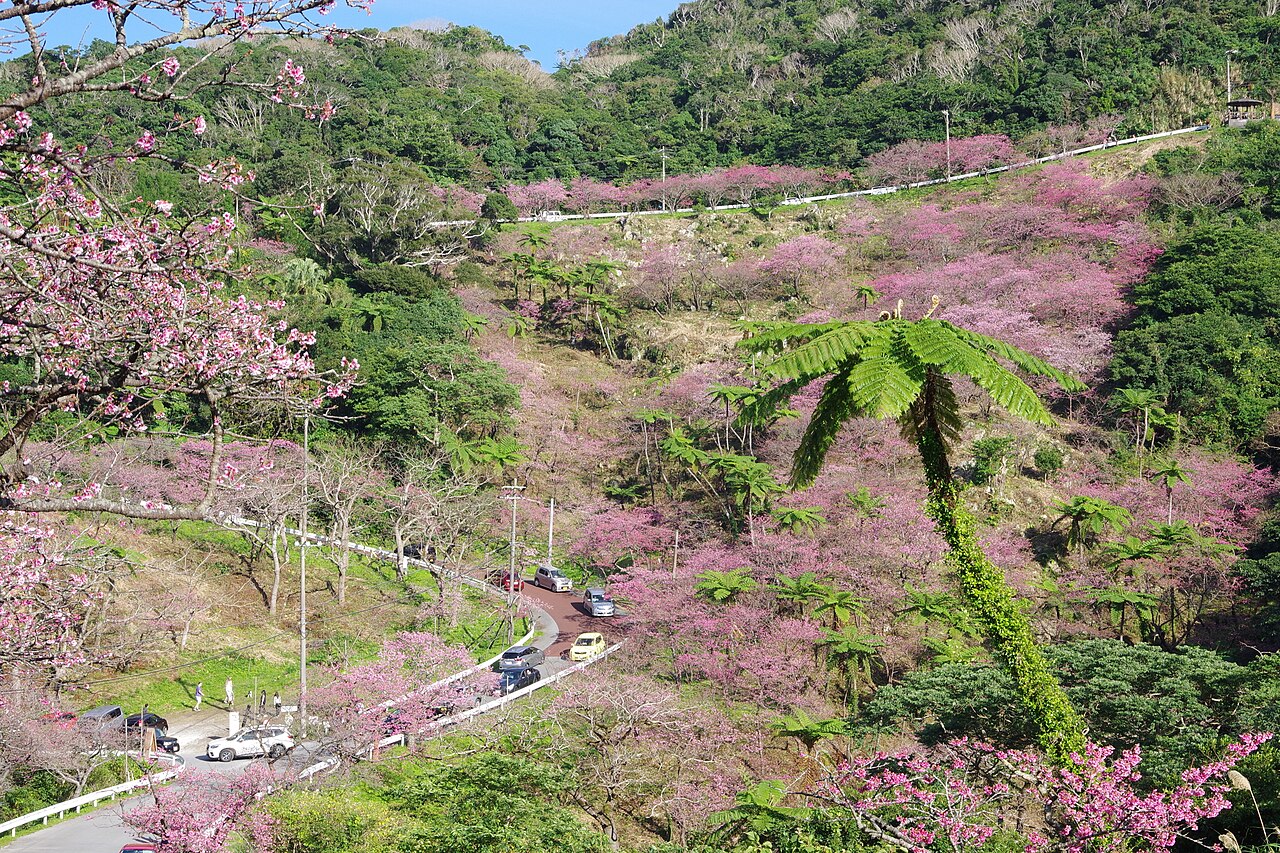
The festival known as Japan’s earliest is held on Mt. Yae in Motobu. About 7,000 Kanhizakura are said to bloom across the 453-meter mountain (Okinawa Story). At the top you can take in the deep pink blossoms and the blue sea of Motobu in one view. Peak weekends tend to be crowded, so arriving early makes it easier to get around.
The 48th festival in 2026 started on January 17, and the Motobu Tourism Association announced an extension to February 8. A free shuttle bus also ran during the festival. Check the Motobu Tourism Association’s official site for the latest crowd and parking information.
| Venue | Yaedake Sakura no Mori Park |
|---|---|
| Address | 沖縄県国頭郡本部町並里921 |
| Period | Jan. 17 to Feb. 8 in 2026 (after extension). It differs every year, so check the official site |
| Parking | Free shuttle bus during the festival. Check the Motobu Tourism Association for parking information |
| Inquiries | Check the Motobu Tourism Association’s official site |
Nago Cherry Blossom Festival (Nago Castle Park)
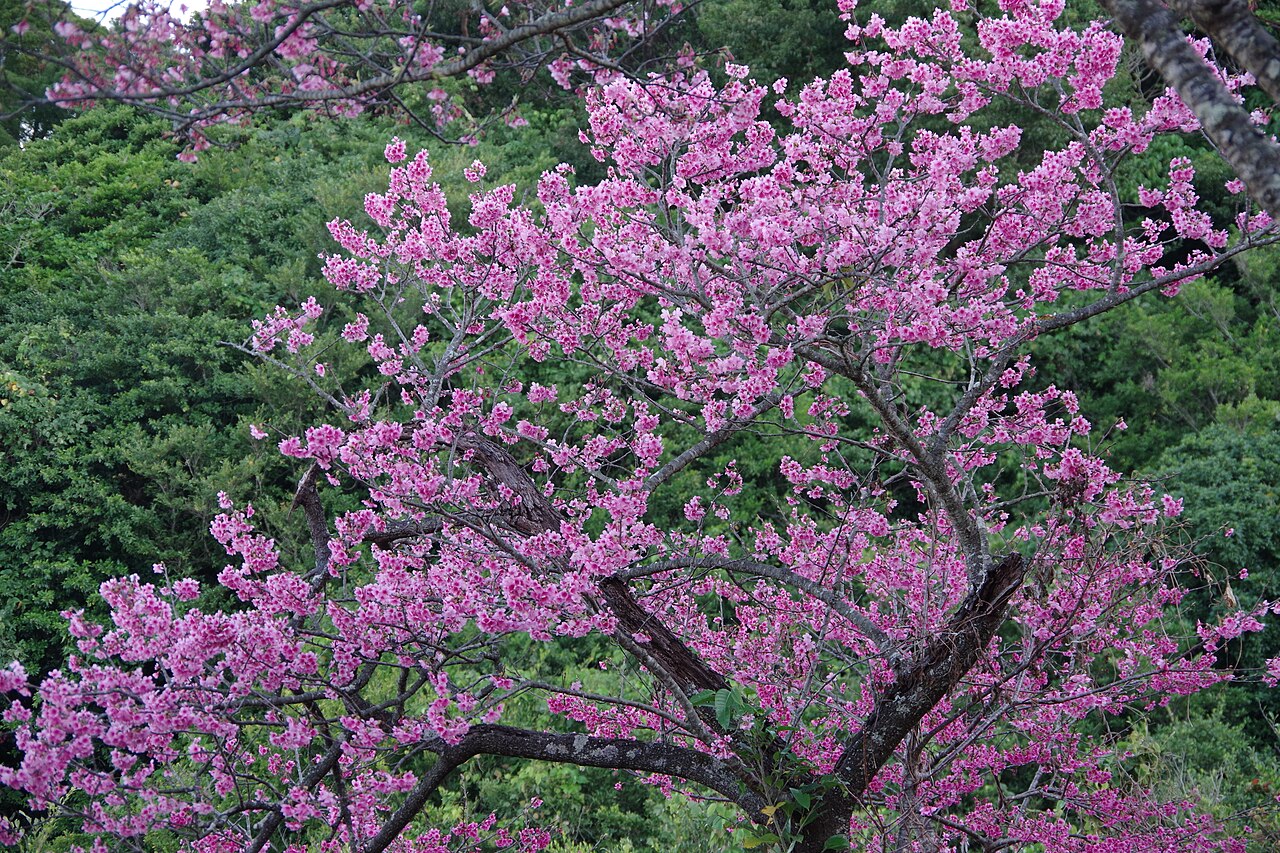
Nago Castle Park (Nangusuku Park), right next to central Nago, is one of the blossom spots of the north. The Nago Cherry Blossom Festival is held on the last Saturday and Sunday of January, centered on Nago Castle Park, with the festival-plaza stage at Sakura Park, Nago Juji-ro Odori and Nago Fishing Port also used. The 63rd festival in 2026 took place on January 31 and February 1. Besides stage events, the pedestrian zone in the town hosts parades and street dance.
Nago is also a good base for driving the north. It has many supermarkets and gas stations, so it is handy for refueling in the evening or finding dinner. Roads in the town center become a pedestrian zone for the two festival days, so check traffic restrictions and parking information beforehand.
| Venue | Nago Castle Park, festival-plaza stage (Sakura Park), Nago Juji-ro Odori, Nago Fishing Port |
|---|---|
| Address | 沖縄県名護市名護5511 (address given as the festival venue) |
| Dates | The last Saturday and Sunday of January each year (Jan. 31 to Feb. 1 in 2026) |
| Inquiries | Check official information from the organizer, such as the Nago City Tourism Association |
Nakijin Castle Ruins (Nakijin Gusuku Cherry Blossom Festival)
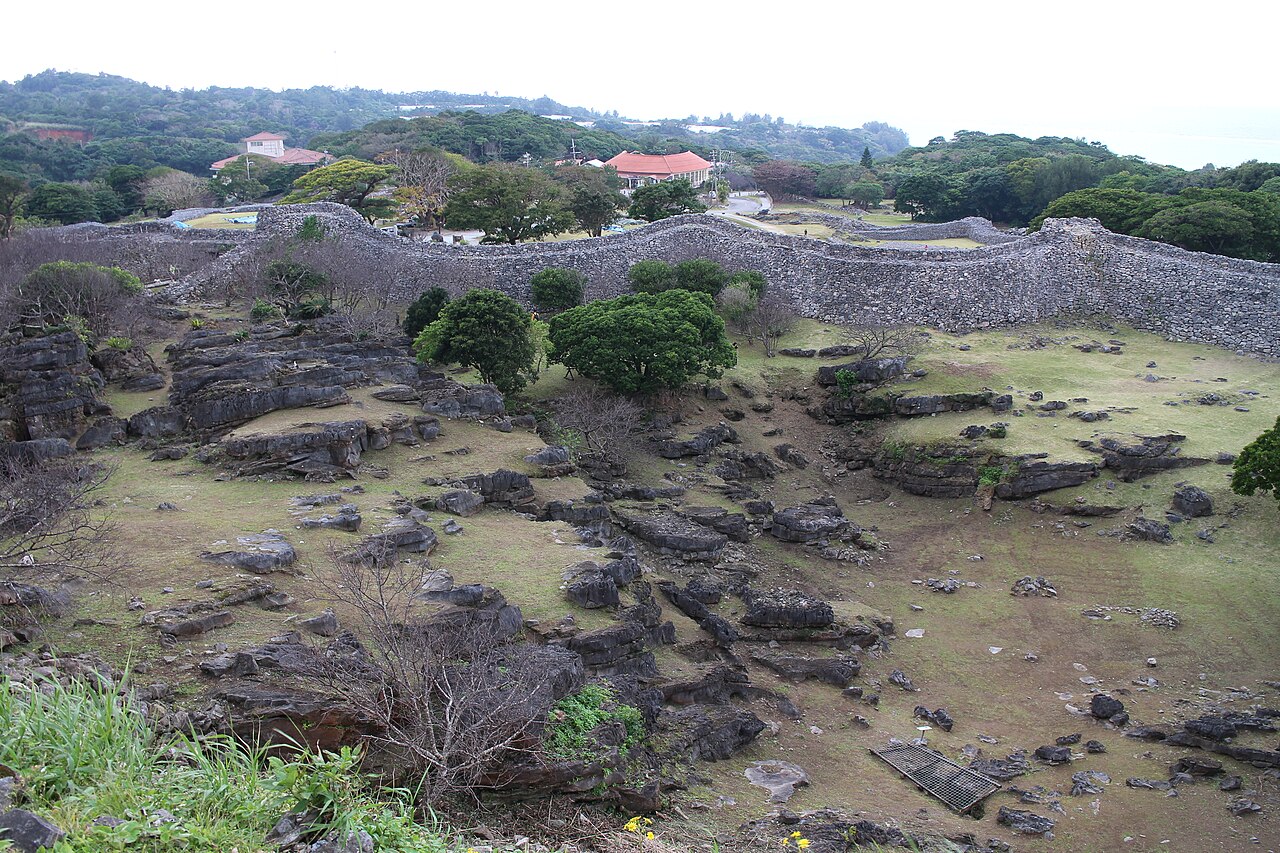
The World Heritage Nakijin Castle Ruins is a famous spot where Kanhizakura bloom from late January to early February. As we mention in Northern Okinawa in 2 Days from Naha Airport: The Classic Drive to Churaumi Aquarium and Kouri Island, the walls are also lit up at night during the blossom festival. The 19th Nakijin Gusuku Cherry Blossom Festival in 2026 ran from January 31 to February 8, with the lit-up walls and “Gusuku Hana-akari,” in which the approach to the castle is lit by candlelight (Okinawa Story).
When viewing the night blossoms, note that the drive back is dark. Many roads in the north have few streetlights, so choose lodging close by or, let an experienced driver take the wheel at night and leave a generous margin in your schedule. Regular opening hours and admission may differ from the night-time hours, so check the official site.
| Address | 沖縄県国頭郡今帰仁村今泊5101 |
|---|---|
| Blossom festival | Jan. 31 to Feb. 8 in 2026 (night lighting). Differs by year |
| Hours and admission | Regular hours are about 8:00-18:00 (last entry 17:30). Check the official site for fees and night hours |
| Parking | Yes (free). It gets crowded during the festival, so check the official notice |
| Access | About 30 min by car from central Nago, about 15 min from Churaumi Aquarium |
Winter Drive: Sample Plans
These are only examples of how to put a day together. Travel times assume no traffic, and you should adjust departure times and visit lengths to the dates of your tour or festival.
Blossom Plan: A Day Trip from Naha into the North
Start from Naha Airport (or central Naha) and take the Okinawa Expressway from Naha IC to Kyoda IC (about 1 hour to 1 hour 15 minutes from Naha Airport to Kyoda IC as a guide). After Kyoda IC, head toward Nago and the Motobu Peninsula.
- Morning: head from Kyoda IC to the Motobu Peninsula and see the blossoms on Mt. Yae (early morning is generally less crowded)
- Noon: lunch in central Nago or in Motobu. It is busy in festival periods, so shift your time
- Afternoon: see blossoms at Nakijin Castle Ruins or Nago Castle Park (while it is still light before sunset)
- Evening: for the night lighting, go to Nakijin Castle Ruins. After your visit, head back south early
The round-trip drive is long, so don’t push it. Narrowing down to about two places you want to see lets you enjoy the day at a relaxed pace. Refueling once in central Nago is reassuring.
Whale Plan: Half a Day to a Full Day from Naha
If you join a Zamami tour, you cross from Tomari Port by boat. One possible plan is to pick up the rental car in Naha, drive to Tomari Port, and return on an evening boat. Set your pick-up time to match the boat schedule and the tour meeting time.
If you join an operator in Naha, Chatan or Motobu, you drive to the meeting place and can use the time before and after the tour for other sightseeing. For example, whale watching in the morning and the aquarium or a roadside station in the afternoon. Leaving room after the tour helps if it runs long.
Rainy Days and Cancelled Tours: Backup Plans
Winter has many cloudy and rainy days, and strong wind can cancel a whale tour. On such days we recommend switching to the indoor places in Rainy Day Drives on Okinawa Island. You can see sea creatures other than whales in the big tanks of Churaumi Aquarium, or use parts of the route in Northern Okinawa in 2 Days, and you can still enjoy the feel of an Okinawan winter if plans fall through.
Winter Drive FAQ
Will I definitely see whales?
They are wild animals, so we can’t say you will definitely see them. The Zamami Village Whale Watching Association says the encounter rate is said to be over 90 percent, but conditions change with the year and the sea. How tours handle a day with no whales (refunds, rebooking and so on) differs, so it is wise to ask when you book.
When is the best time to see the blossoms?
In northern Okinawa, early January to early February is the rough peak, but blooming moves earlier or later by year. If you are unsure, plan around the festival dates (in 2026, Mt. Yae from January 17 to February 8, and Nago and Nakijin from around January 31), then check the flowering status in official information just before you go. Around Naha, a blossom festival may be held in late February.
Can I get in the sea in winter?
This is outside the swimming season and there are no lifeguards. On whale-watching tours, too, people cannot enter the water to see the whales. In winter, enjoy the sea “from the deck of a boat.”
What should I watch for when driving?
North-wind days are common in winter, so slow down on coast roads and bridges. During the blossom festivals, roads and parking in Motobu, Nago and Nakijin get crowded. Leave time to spare, and watch for roads with few streetlights at night.
Whales and blossoms are scenes you can only meet in winter in Okinawa. A drive along the coast, blossoms in the hills, and the sea seen from a boat: with a rental car, you get much more freedom to move between them. UMUI Rent-a-Car welcomes you from Naha Airport with a free shuttle to our store. We hope you will use us for your winter trip to Okinawa.
* Tour periods, blossom festival dates, opening hours and other information in this article are as of October 2026. The whale-watching season, blossom festival dates and boat operations change with the year and the weather. Please check with the organizers, operators and official sites before you go.
Photo credits: Wikimedia Commons (CC BY-SA 4.0). Photographers are credited in each caption. The two whale photos were taken outside Okinawa and are used as illustrations.