
“When should I book a rental car in Okinawa?” “Which car fits our group and luggage?” “I can’t make sense of the rate table.” If you are renting a car in Okinawa for the first time, questions like these come up before you even press the booking button.
This article is based on the “Rental Flow,” “Rates,” “Coverage,” and “Rental Agreement” pages on the UMUI Rent a Car website. It walks through when to book, how to choose a car for your group size and luggage, how to read the rate page, how to think about coverage, options, cancellations and changes, and how to decide your pick-up and return times. Use it as a checklist before you book.
Thinking About When to Book
Book Early for Holidays and High Season
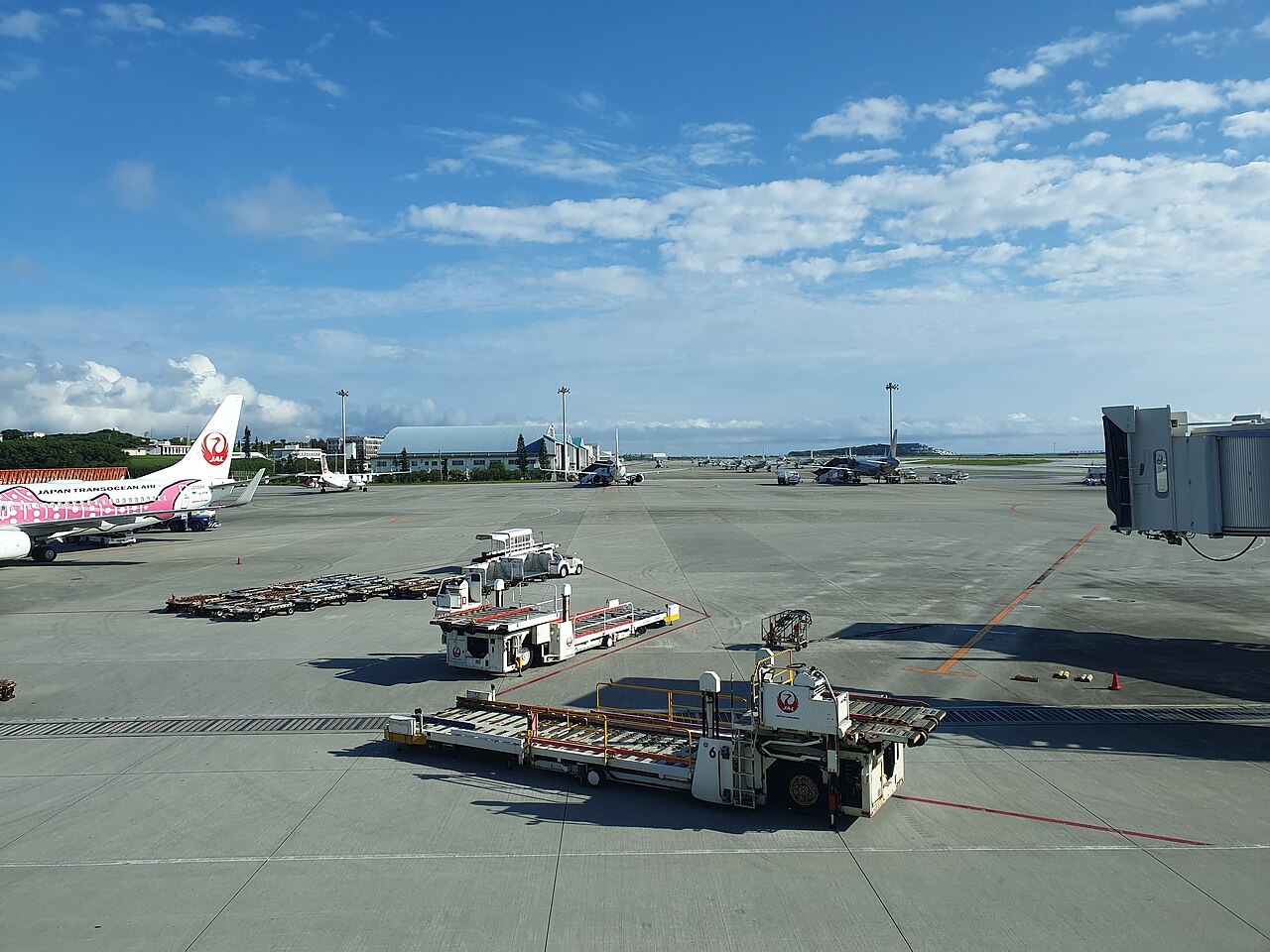
UMUI’s “Rental Flow” page says that long holidays such as summer vacation and Golden Week are expected to be especially crowded, so booking early is recommended. In general, flights and hotels in Okinawa fill up first during peak travel periods, so once your dates are set and your flights and lodging are secured, it is reassuring to book the car at the same time.
The rate page lists a “Regular Rate” and a “High Season Rate” separately. The page does not show exactly when high season starts and ends. If your trip may fall in a busy period, the surest way is to check the price shown on the booking screen.
Bookings Close One Hour Before Pick-Up
The same “Rental Flow” page says you can book on the website or at a branch up to one hour before pick-up. If your plans come together suddenly, you can still try to book within that window. Depending on availability, though, the car class you want may already be gone, so if your dates are fixed, moving early gives you more choices.
Reservations are accepted only through the website or at a branch. UMUI’s booking site is available in Japanese, English, Korean and Traditional Chinese, so you can look at the screen together with your travel companions and decide.
What to Decide Before You Book
To avoid hesitating on the booking screen, decide the following in advance.
- Pick-up and return dates and times (and whether at the Naha Airport branch or the Omoromachi branch)
- How many people will ride, and how many of them are small children
- How much luggage, such as suitcases, you have
- Who will drive (every driver needs a license)
- Whether you need options such as a child seat
The rental agreement (Article 4) also says that when you apply, you state the car class, the date, time and place of pick-up, the return location, the drivers, and whether you need options such as child seats or a navigation system.
Choosing a Car by Group Size and Luggage
UMUI Car Classes and Capacity
The car classes and capacities listed on UMUI’s rate page for the Naha Airport branch are as follows (as of October 21, 2026). The cars shown are examples, and you cannot request a specific model. What you book is a car class, not a particular model name.
| Compact Car A | Vitz / Capacity: 5 |
|---|---|
| Compact Car B | Roomy / Tank / Capacity: 5 |
| Compact SUV | Raize / Capacity: 5 |
| Station Wagon | Corolla Fielder / Capacity: 5 |
| SUV | CR-V / Capacity: 5 |
| Compact Minivan | Sienta / Capacity: 7 |
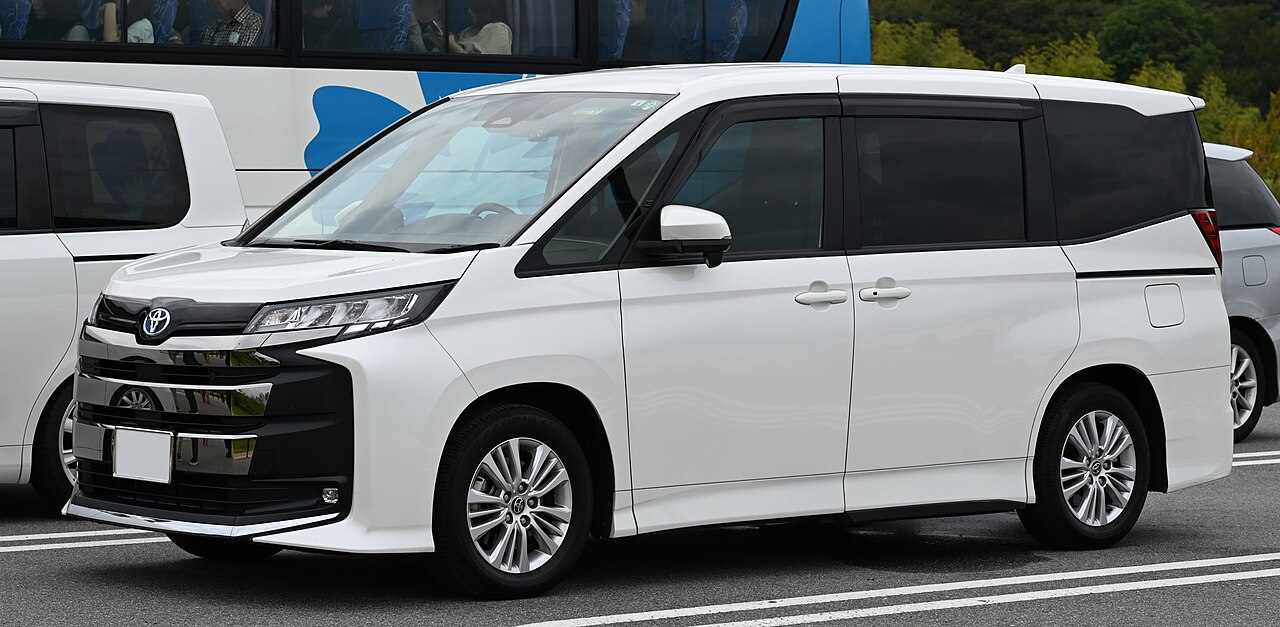
| Minivan | Noah / Capacity: 8 |
| Luxury Minivan | Elgrand / Alphard / Capacity: 7-8 |
The Omoromachi branch’s rate page lists Compact Car A and B, Compact SUV, Station Wagon and Minivan. The car classes offered differ by branch, so check the table for the branch where you plan to pick up.
A Full Car May Not Have Room for Luggage
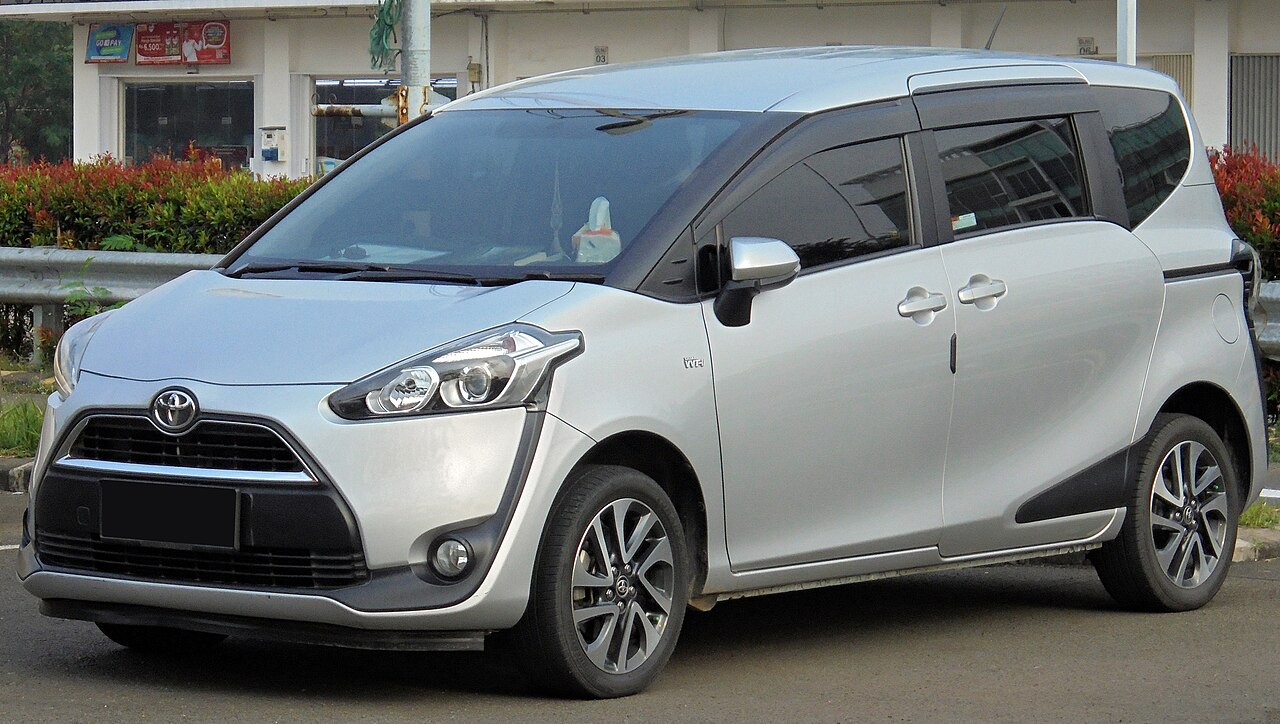
Capacity is the number of seats, not necessarily the number of people who can travel comfortably with their luggage. In general, when adults fill every seat, trunk space gets small. If you have a large suitcase per person, or golf bags or a stroller, choosing one class larger can keep the back seats from being taken up by luggage.
Note that UMUI’s website does not list figures for how much luggage each car can carry. If you are unsure, tell them what you are bringing and ask by phone before booking (050-1783-5687, open 8:00-20:00, every day of the year).
Common Trip Styles and Choosing a Class
This is only a general way of thinking, but the following guide tends to prevent mistakes.
- 1-2 people with little luggage: Compact Car A or B is enough. They are easy to maneuver and easy to park.
- 2-4 people with somewhat more luggage: Consider classes with more cargo room, such as Compact SUV, Station Wagon or SUV.
- 5 or more people, or a family with lots of luggage: A Compact Minivan (capacity 7) or Minivan (capacity 8) is a candidate.
- A large group, or you want to travel in comfort: A Luxury Minivan (capacity 7-8) is also available.
If you are traveling with children, it also helps to think about where the child seat will go. With the seat installed, the number of people who can sit in the back may decrease.
Ease of Driving and Parking Also Matter
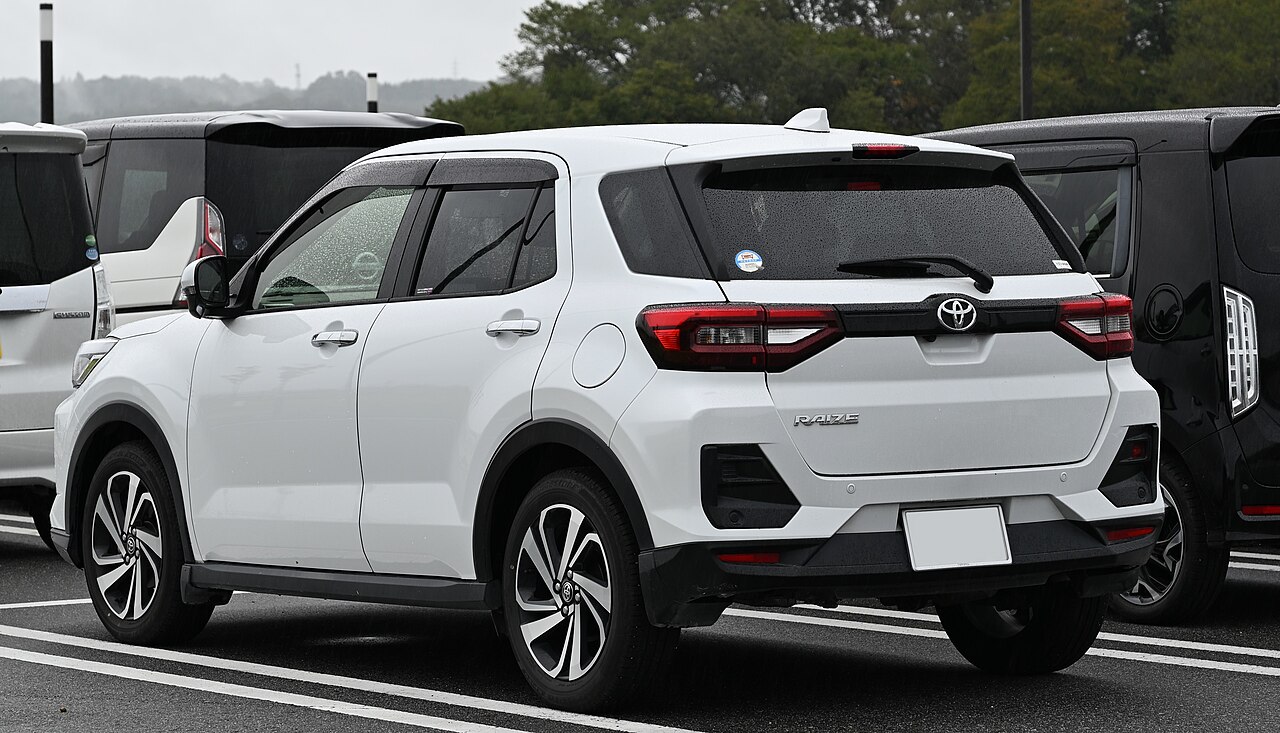
If you are driving in Okinawa for the first time, a large vehicle can be a worry in parking lots and on narrow roads. Some tourist-spot parking lots have little wide space. Unless your group is large, a car that is easy to handle, such as a compact car or compact SUV, is likely to be less stressful for drivers who are not used to the roads. Even when you have room to spare, it is worth keeping in mind that bigger does not always mean safer or easier.
How to Read UMUI’s Rate Page
What the Columns Mean
On UMUI’s rate page (https://u-mui.com/en/price/), each branch and car class lists the following six rates.
- Up to 3 hours
- Up to 6 hours
- Up to 12 hours
- Up to 24 hours
- Each additional day
- Each overtime hour
Look at the column closest to how long you will borrow the car to get a rough idea of the price. If you go past your scheduled return time, the “each overtime hour” rate applies.
The Note: “Tax Included, Deductible and NOC Coverage Included”
At the bottom of the rate table is a note that all amounts shown include tax and include deductible and NOC coverage. When you compare with other companies, it is important to line up the conditions: whether the price includes tax, and whether deductible coverage and NOC coverage are included. Putting only the amounts side by side while the conditions differ does not make a fair comparison.
The page also says to check the latest availability and make reservations through the web booking. Treat the numbers on the rate page as a rough guide, and check the final price and availability on the booking screen.
The Gap Between Regular and High Season Rates
On the rate page, even the same car class has separate regular and high season rates. For example, the Naha Airport branch’s Compact Car A (Vitz) was listed as follows as of October 21, 2026.
| Up to 3 hours | Regular 3,190 yen / High season 5,610 yen |
|---|---|
| Up to 6 hours | Regular 4,400 yen / High season 6,600 yen |
| Up to 12 hours | Regular 5,500 yen / High season 7,590 yen |
| Up to 24 hours | Regular 6,600 yen / High season 11,000 yen |
| Each additional day | Regular 4,400 yen / High season 7,590 yen |
| Each overtime hour | Regular 880 yen / High season 1,760 yen |
As the table shows, the price of the same car changes depending on when you rent it. The figures above are from the time this article was written and may change. Before you rent, be sure to check the latest amount on the rate page or the booking screen.
Points to Watch When Reading the Rates
Keep the following in mind when you look at the rate table.
- The cars shown are examples, and you cannot request a specific model
- Which column you read changes with the number of days, such as “up to 24 hours” and “each additional day”
- If you return later than scheduled, an overtime fee is charged separately
- The cost of fuel for the full-tank return is needed separately from the amounts in the rate table
Rather than deciding only by whether a price looks low, first settle the car class that fits your group and luggage and your pick-up and return times, then look at the rates. That lets you choose without strain.
How to Think About Coverage
Coverage Included in the Base Rate
UMUI’s coverage page says the base rate already includes auto insurance, deductible coverage and NOC coverage. That is why the amounts on the rate page are prices that include deductible and NOC coverage. There is a proviso, however: “excluding some bookings made through certain booking sites,” so conditions may differ depending on where you book.
“Included” Is Not the Same as “Zero Burden”
Even with coverage, there is something worth knowing: coverage has limits, and some conditions are excluded. For example, the rental agreement states that breaches of the agreement, or accidents that are not reported to the police and UMUI, are excluded from coverage.
The deductible, the amount of NOC (Non-Operation Charge), examples of exclusions, and what to do after an accident are covered in detail in a separate article. Please read it together with this one before you book.
→ Okinawa Rental Car Coverage Explained: Deductible and NOC (Non-Operation Charge)
The most reliable sources are the official coverage page (https://u-mui.com/en/compensation/) and the rental agreement (https://u-mui.com/rental-agreement/).
When You Compare, Line Up What Is “Included”
When you compare with other booking sites or companies, check whether NOC coverage is included as well as deductible coverage, and what the coverage limits and exclusions are. Sometimes a difference in price comes from a difference in the scope of coverage.
Options and Registering Drivers
Options Such as Child Seats
The rental agreement (Article 11) states that a rental contract cannot be made if a child under 6 will ride without a child seat. If you plan to travel with a child under 6, be sure to think about preparing for it at the booking stage.
The types, number of seats and prices for child seats could not be confirmed on the rate page or elsewhere on the official website. Please be sure to check when you book. Also, the agreement (Article 15) says that installing the child seat is the renter’s responsibility. Staff may help with installation, but the responsibility lies with the person renting.
Decide Every Driver When You Book
The “Rental Flow” page says that every person who will drive needs a valid driver’s license at pick-up, and that the car cannot be rented without the physical license. If more than one person will drive, each driver’s name, signature and license check are required on the rental form.
The rental agreement (Article 11) also says UMUI may refuse a rental contract if the driver named at booking differs from the driver at the time of the contract. Rather than “we’ll swap drivers on the day if we feel like it,” declare in advance everyone who might drive. If you have a foreign license, check the required documents on the official International Driving Permit page and in our article on licenses by country and region.
Payment Methods
On the day, you pay with a credit card, QR code payment, e-money or similar. Cash is not accepted. If you have already paid when booking online, no payment is needed on the day.
Cancellation and Change Rules
Cancellation Fees
The cancellation fees listed on UMUI Rent a Car’s “Rental Flow” page are as follows. Cancellation is free up to 7 days before the pick-up date, and after that a percentage of the base rate is charged.
| Up to 7 days before pick-up | Free |
|---|---|
| 6 to 3 days before pick-up | 20% of the base rate |
| 2 days to 1 day before pick-up | 30% of the base rate |
| Day of pick-up | 50% of the base rate |
In addition, the rental agreement (Article 6) says that if, for the renter’s own reasons, the renter has not started the procedure within one hour after the reserved start time, the reservation is treated as cancelled. If you are going to be late, contact UMUI early.
When You Want to Change Your Booking
The rental agreement (Article 5) provides that when you change the rental conditions, such as the car class, date and time, or place, you must obtain UMUI’s consent in advance. If you want to change something, contact UMUI as early as possible once you know.
The same applies to changes after the rental has started: prior consent is needed (Article 14). If a change would interfere with UMUI’s operations, it may not be approved. When you extend the rental period, you pay the rate for the changed period.
If You Booked Through a Booking Site
The agreement (Articles 5 and 9) says that if you booked through a booking site run by a travel company or similar that takes reservations on UMUI’s behalf, you can change or cancel the reservation only through the site where you applied. Keep a record, such as an email, of where you booked.
Deciding Pick-Up and Return Times
Allow Margin When Setting the Pick-Up Time
The Naha Airport branch offers a free shuttle from the airport and is open 8:00-20:00 every day of the year. The Omoromachi branch is open 9:00-18:00. If you will rent right after arriving by plane, add the time to collect your baggage and the shuttle ride to the branch to your flight’s arrival time, and set the pick-up time from that. If you cut it too close, even a small delay can throw off your plans.
It is also reassuring to ask by phone before booking how to contact the branch if your flight is delayed. Since the agreement says a reservation is treated as cancelled if the procedure has not started within an hour after the reserved time, contact them early if you will be late.
Set the Return Time with Room to Spare
You return the car to the return branch by the scheduled time. Cars are returned at the branches, and after you return the car at the Naha Airport branch, a free shuttle takes you to the airport. Work backward from your flight home, allowing for refueling, return procedures and travel to the airport, to set the return time.
If you go past the return time, the overtime fee in the rate table applies. If you want to change the scheduled return time, you need to contact the branch in advance. Depending on the vehicle’s schedule, a change may be declined, so if you want to extend, ask early.
Refueling and the Return Flow
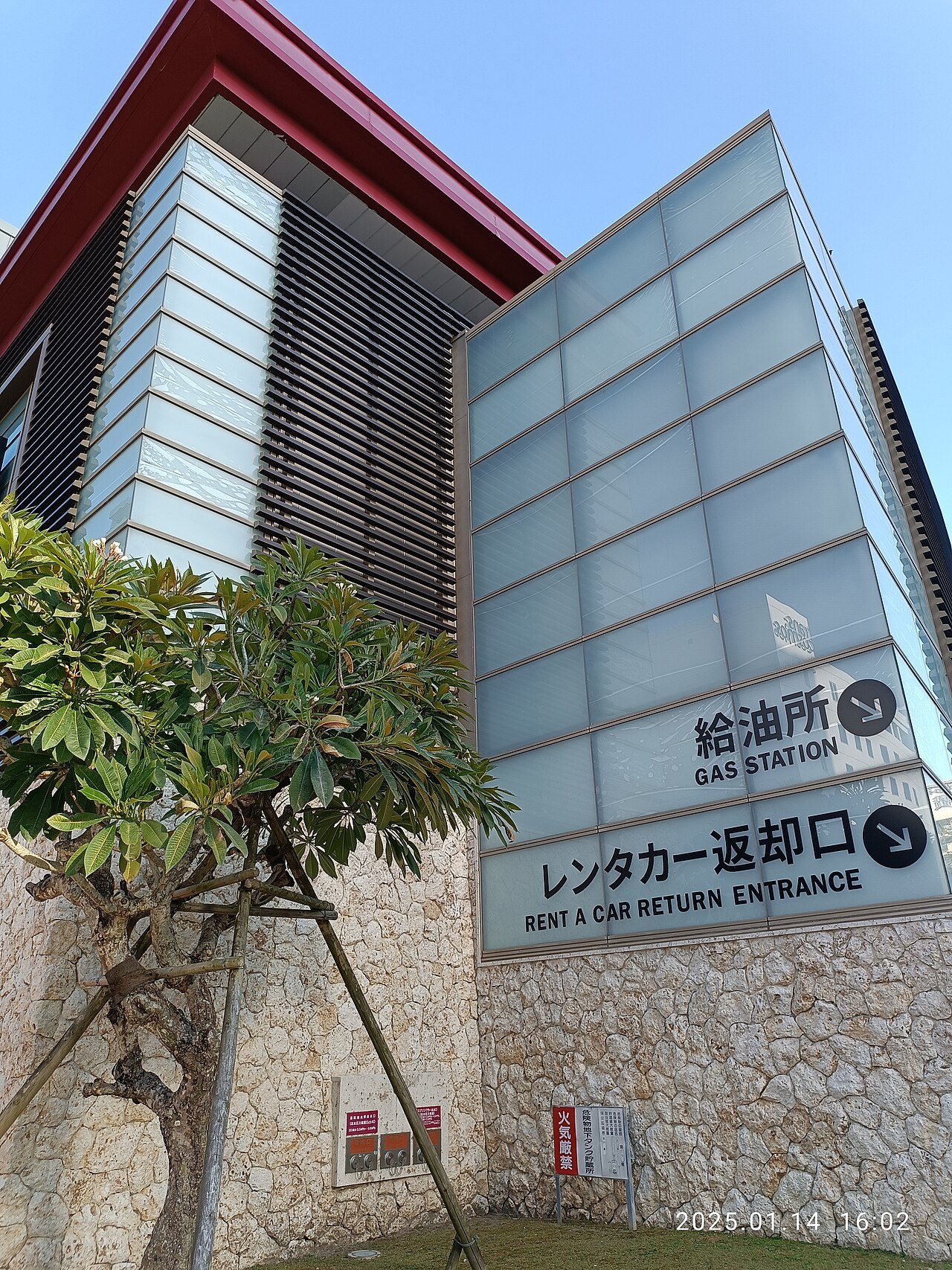
Fill the tank (gasoline) at a gas station within 2 km of the return branch before you return the car. You are asked to show the receipt from refueling to the staff. If you cannot return the car with a full tank, you are charged by a separate distance-based calculation, which works out more expensive than the actual fuel cost.
Looking up the location of a gas station on a map beforehand helps you avoid a rush on the day you return. Leaving room in the return time is also meant to let you make it even if refueling takes a while.
How you book a rental car can change how comfortable your trip feels. Book with time to spare, choose a car class that fits your group and luggage, and check the price display, the scope of coverage and the cancellation rules, and you can focus on enjoying the drive on the day. With UMUI Rent a Car, you can set out from the Naha Airport or Omoromachi branch at rates that include deductible and NOC coverage. If anything is unclear, please feel free to contact us even before you book.
* Information in this article is current as of October 2026. Rates, car classes, cancellation terms and the rental agreement may change, so please check the latest information on the UMUI Rent a Car official website (the Rates, Rental Flow, Coverage and Rental Agreement pages).
Photo credits: Wikimedia Commons (CC0 / CC BY-SA 4.0). Photographers are credited in each photo’s caption.