“I want to rent a car in Okinawa, but I can’t tell how the insurance and coverage options differ.” “What exactly is ‘NOC’?” If you have compared booking sites, you have probably run into questions like these. A low-looking price can turn out differently once you factor in what the coverage includes and how much you would have to pay yourself if something goes wrong.
This article is based only on what the UMUI Rent a Car website says on its Coverage, Rental Agreement and Price pages. It covers bodily injury, property damage and vehicle coverage, the deductible, the deductible coverage system, what NOC (Non-Operation Charge) means and how much it is, typical cases that are not covered, and what to do if there is an accident. It also includes a checklist for comparing rental offers at booking time, so if this is your first rental car in Japan, take a look before you reserve.
How Coverage Works in UMUI Rent a Car Rates
What Is Included in the Base Rate
The UMUI coverage page states that the base rate already includes car insurance, deductible coverage and NOC coverage. In most cases, no extra charge is made. There is one note, however: “bookings made through some external travel sites may differ.” Depending on the booking site, the terms may be handled differently. We come back to this in the checklist later.
The price page also notes that all displayed amounts include tax and include deductible and NOC coverage. In other words, the figures in the rate table are prices with insurance and the two coverage systems (deductible coverage and NOC coverage) already included.
Three Terms to Keep Straight
It helps to think of the terms on the coverage page in three groups.
- Car insurance: the system that pays for accident damage under the headings of bodily injury, property damage, vehicle damage and personal injury.
- Deductible coverage: a system that covers the “deductible” amount you would otherwise bear after an accident or breakdown. UMUI states that it covers up to ¥150,000 of the deductible.
- NOC coverage: a system that covers the NOC amount you would otherwise bear after an accident or breakdown (up to ¥50,000), plus towing costs.
In general, a “deductible” is the fixed amount the user pays out of pocket when insurance covers the rest of an accident’s damage. You can think of deductible coverage as a system that makes up for that out-of-pocket share.
“Covered” Does Not Mean “Nothing to Pay”
The top of the coverage page says that coverage has monetary limits, and that damage from accidents, violations or improper procedures that fall under specific conditions or exclusions is the customer’s responsibility. Having coverage included does not mean you will never pay anything. Knowing in advance when coverage does not apply is the best way to drive with confidence. We look at this step by step in the following sections.
Bodily Injury, Property, Vehicle and Personal Injury: What Is Covered and the Deductible
Coverage Limits and Deductibles at a Glance
The coverage page and the rental agreement (Article 34) set out UMUI’s coverage as follows.
| Bodily injury (per person) | Unlimited (including compulsory insurance of ¥30 million) / Deductible: none (—) |
|---|---|
| Property damage (per accident) | Unlimited / Deductible: ¥50,000 |
| Vehicle damage (per accident) | Up to the vehicle’s market value / Deductible: ¥50,000 or ¥100,000 |
| Personal injury (per person) | Up to ¥30 million / Deductible: none (—) |
The vehicle damage deductible is listed as “¥50,000 or ¥100,000,” but the website does not say which one applies in which case. If you want to know, it is a good idea to ask UMUI before booking or when you pick up the car.
Bodily Injury and Property Damage
Bodily injury coverage is for compensation when you injure another person in an accident. At UMUI it is unlimited per person and includes the ¥30 million of compulsory insurance. Compulsory insurance is the mandatory insurance that every vehicle driven on public roads must carry.
Property damage coverage is for damage to “things,” such as other people’s cars, buildings and guardrails. The limit per accident is unlimited, and the deductible is ¥50,000. This ¥50,000 is part of the out-of-pocket amount that the deductible coverage system takes care of.
Vehicle Damage
Vehicle damage coverage is for damage to the rental car itself. The limit is “up to the vehicle’s market value.” Market value generally means what it would cost to buy a replacement for the car in its current condition. The deductible is stated as ¥50,000 or ¥100,000.
If you damage the car, the NOC, which compensates for the period when the car cannot be rented out during repairs, is charged separately from the deductible. We explain this in detail in the next section.
Personal Injury
Personal injury coverage is stated as up to ¥30 million per person. The deductible column shows “—,” meaning no deductible is set.
What Is NOC (Non-Operation Charge)? Meaning and Amounts
NOC Is Compensation for the Time a Car Cannot Operate
NOC stands for “Non-Operation Charge,” literally a charge for the period when the car is not in operation. The UMUI coverage page explains that if an accident, theft, breakdown, soiling, damage to interior equipment, scorch marks on the seats or the like during your rental means the vehicle needs repair or cleaning, the customer pays a set amount as compensation for the vehicle’s downtime during that period.
A rental car cannot be rented to the next customer while it is being repaired or cleaned. You can think of NOC as compensation for that lost rental time. It is a separate cost from the repair bill itself.
NOC Amounts: Two Types
UMUI’s NOC amount depends on whether the car can still be driven under its own power.
| Returned to our branch under its own power | ¥20,000 |
|---|---|
| Vehicle cannot be driven | ¥50,000 (+ towing cost) |
The NOC is ¥20,000 if the car can be driven back, and ¥50,000 (+ towing cost) if it cannot. If the case falls outside the coverage system (see the next section), the customer bears this amount.
What the NOC Coverage System Covers
At UMUI, NOC coverage is included in the base rate. The NOC coverage system is described as covering up to ¥50,000 of the amount the customer would otherwise bear in an accident or breakdown, plus towing costs. The highest NOC figure in the table above, ¥50,000, matches that “up to ¥50,000,” so for an accident that is covered, the system limits what you have to pay for NOC and towing.
However, if the case falls under a condition that is excluded from coverage, this system cannot be used. We look at typical examples in the next section.
Other Cases Where NOC Applies
The coverage page warns that NOC is also charged in the following cases.
- A single-vehicle accident (including hit-and-run incidents where the other party cannot be identified), or damage to the vehicle from theft from the car
- Stains or odors left in the vehicle because a pet directly touched the seats, etc.
The rental agreement also says that “a Non-Operation Charge (NOC) may apply” if you break the rules on return time or return location. If you will not make the planned return time, or want to return the car somewhere other than the designated place, contact UMUI in advance. Whether NOC coverage can cover your costs in these cases is not clear from the website, so if you are concerned, please check before you sign the contract.
Typical Cases Not Covered

Cases Related to the Driver and the Law
The UMUI coverage page assumes that you will use the car in compliance with the rental agreement. Accidents caused by the following legal violations or improper conduct are excluded from insurance and coverage, and the damage is the customer’s responsibility.
- Violating the Road Traffic Act or other laws
- Drunk driving or drug use
- Unauthorized extension of the rental period
- Driving by a person not declared as a driver, or lending the rental car to someone else
- Driving without a license
- Dangerous driving, or acts against public order and morals
- Negotiating a settlement without the company’s consent, or failing to cooperate in resolving the accident
Intentional damage and damage from drunk driving or drug use are also excluded. Anyone who might drive should be declared as a driver in advance (the agreement says the company may refuse to conclude a rental contract if the driver at contract signing differs from the one named at booking).
Cases Related to How You Handle the Car and Your Belongings
Damage caused by how the car is handled, not only by driving itself, is also excluded. The main examples listed on the coverage page are as follows.
- Tire punctures or damage, and lost wheel caps
- Theft after parking with the key left in the car, and lost keys
- Damage from illegal or nuisance parking
- Soiling or odor inside the vehicle (including smoking in a non-smoking car)
- Loss or improper handling of equipment, and damage from improper installation
- Incorrect fueling
- Damage from driving anywhere other than on roads
- Damage to the belongings or property of the customer (the renter or driver)
If a key is lost, the page explains that the actual cost of the key and its return, which the company pays out of pocket, is charged to the customer. The rental agreement also says that if the customer fails to take proper care and the car suffers a hit-and-run, mischief, theft from the vehicle or theft, the insurance attached to the car is not applied. When you park, be sure to look after your key and valuables.
Accidents That Are Not Reported Are Not Covered
The rental agreement (Article 34) states that insurance and the coverage system do not apply to accidents that have not been reported to the police and the company. Regardless of the size of the accident or whether another party is involved, you must first contact the police and UMUI after an accident. This is described as a duty under Article 72 of Japan’s Road Traffic Act that applies after a traffic accident.
The coverage notes also list these points: accidents that fall under the exclusion clauses of the insurance policy are not covered, you must not violate the rental agreement, and you must obtain a police accident report if an accident occurs. Other detailed conditions of use will be advised by UMUI, so ask about anything unclear before you pick up the car.
What to Do After an Accident, Breakdown or Theft
Safety First, Then the Police and UMUI
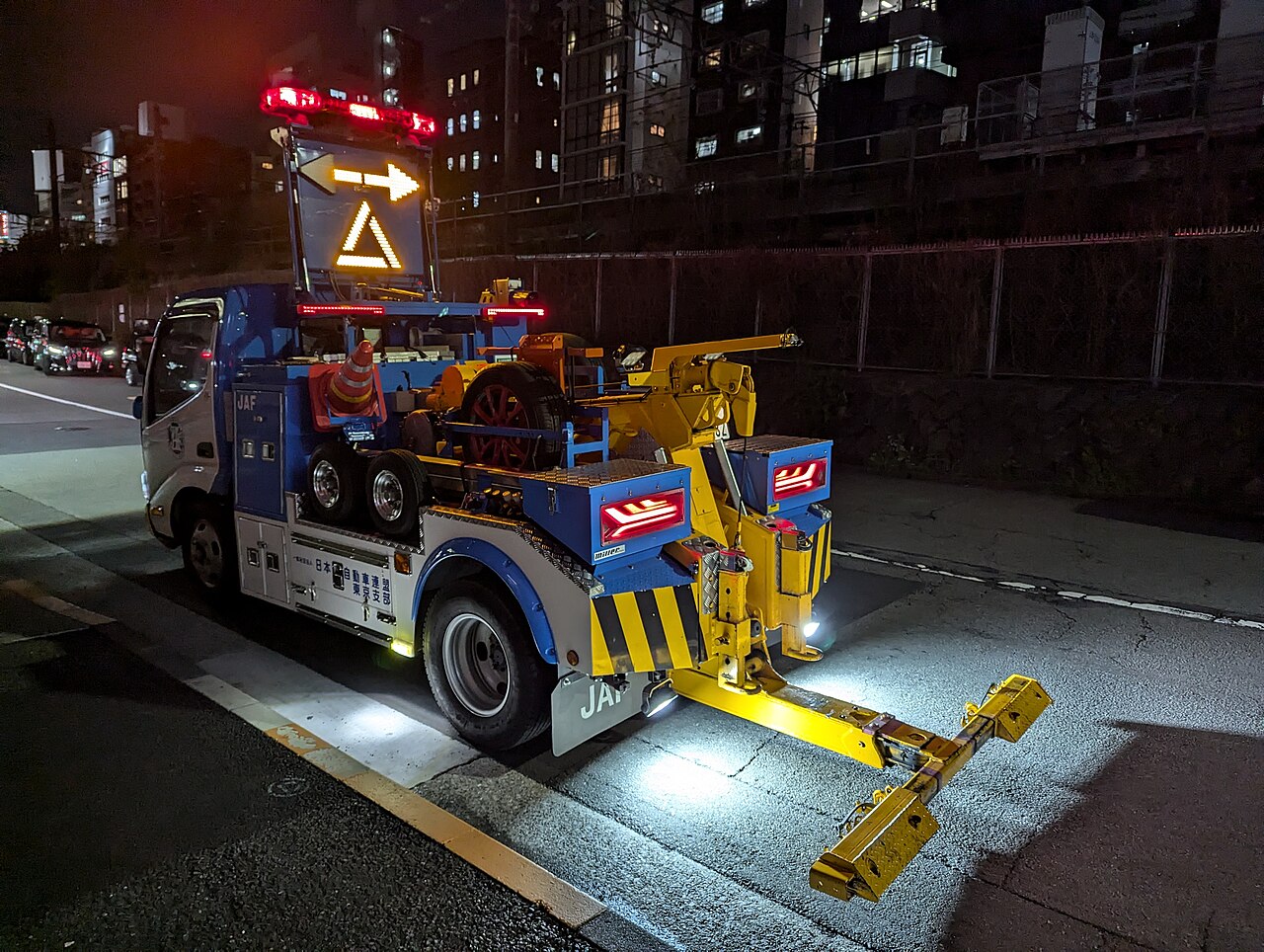
According to the rental agreement (Article 30), if an accident occurs you must stop driving immediately and take the measures required by law, however minor the accident is. After that, the basic rule is to contact the police and UMUI immediately, regardless of the size of the accident or whether another party is involved.
UMUI’s phone number is 050-1783-5687, and the website lists reception hours of 8:00-20:00 (open every day of the year). The website does not appear to say how to reach UMUI outside these hours, so it is reassuring to confirm an emergency contact when you pick up the car.
Rules on Settlements, Repairs and Cooperating with Investigations
The rental agreement sets out the following rules for what to do after an accident.
- Get UMUI’s consent in advance before settling with the other party
- Have repairs done at the repair shop designated by UMUI
- Cooperate with investigations by UMUI and the insurance company
- Obtain a police accident report (a note on the coverage page)
Even if the other party suggests settling on the spot, proceeding without consent means the accident is not covered, so contact UMUI first. Please also note that rental cars may be fitted with dashboard cameras or on-board accident recorders, and the circumstances of an accident may be recorded.
Breakdowns, Theft and When the Car Becomes Unusable
If you notice an abnormality or breakdown while driving, stop driving immediately, contact UMUI and follow its instructions (Article 29). If the car is stolen or otherwise damaged, report it to the nearest police station, report it to UMUI, and cooperate with investigations by UMUI and the insurance company (Article 31).
If the car becomes unusable because of a breakdown, accident, theft or the like, the rental contract ends (Article 32). If the cause was a defect that existed before the rental, a replacement car is provided; if neither party is at fault, the rental fee for the unused period is refunded.
When You Settle Up
Under the rental agreement, if additional charges such as extension fees, the deductible amount for an accident or the downtime charge arise, they are settled when you return the car. If UMUI has paid damages that the customer is liable for, the customer must reimburse UMUI immediately.
Check Before You Book: How to Read “NOC Included” and Similar Wording
Confirm What “Included” Actually Covers
When you compare prices with other companies, the first thing to check is what is included in the price. If it says “deductible and NOC coverage included,” as UMUI’s does, you know both deductible coverage and NOC coverage are included. If the wording is shorter, such as just “deductible coverage included,” you cannot tell whether NOC is included too.
Even when a price says “included,” check whether both deductible coverage and NOC coverage are in it; that is the key to comparing fairly. If one is not included, you may have to pay extra out of pocket after an accident, soiling or breakdown.
Items to Look At When You Compare
Using UMUI’s coverage as an example, these are the items worth checking before you book.
- The coverage limits for bodily injury, property damage, vehicle damage and personal injury, and the deductible for each
- The upper limit of what deductible coverage pays (UMUI: up to ¥150,000)
- The NOC amounts (UMUI: ¥20,000 if driven back, ¥50,000 + towing if not) and what NOC coverage covers (UMUI: up to ¥50,000 plus towing)
- The conditions that are excluded from coverage (smoking in a non-smoking car, pets in the car, handling of keys, incorrect fueling, etc.)
- The procedures required to receive coverage, such as reporting an accident
- Whether the terms change when you book through a travel site (UMUI says some external sites differ)
How to Read UMUI’s Price Page
UMUI’s price page (as of October 17, 2026) lists rates by vehicle type for the Naha Airport and Omoromachi branches, from up to 3 hours through up to 24 hours, then per day after that. For example, the regular rate for Compact Car A (Vitz) at the Naha Airport branch is ¥6,600 for up to 24 hours. All displayed amounts include tax and include deductible and NOC coverage.
Because insurance and coverage are already included, you do not need to add a separate insurance fee. Please also note that the car model shown is only an example and cannot be specified, that there are regular and high-season rates, and that you need to check the latest availability and rates on the booking screen.
Frequently Asked Questions
If Coverage Is Included, Are There No Extra Charges at All?
The coverage page says that extra charges do not arise in principle. However, that applies when the case is covered. If you fall under an excluded condition, or if there was a problem with the procedures, the customer bears the cost. Bookings made through some external travel sites are also described as an exception.
Do I Need to Report a Small Scratch or Bump?
Yes. The coverage page says that regardless of the size of the accident or whether another party is involved, you must contact the police and UMUI immediately. Even if you think “it was just a scrape” or “only I was involved,” putting off the report on your own judgment may mean coverage cannot be used.
What If I Want to Bring a Pet?
Under the rental agreement, carrying a pet in the car without UMUI’s consent is a prohibited act. Even with consent, you must not take the pet out of its cage inside the car. The coverage page says NOC is charged if a pet directly touches the seats and leaves stains or odors. If you would like to travel with a pet, please consult UMUI before booking.
Knowing what your coverage includes lets you enjoy driving in Okinawa with much greater peace of mind. With UMUI Rent a Car, you can set out from the Naha Airport or Omoromachi branch on a rate that includes car insurance, deductible coverage and NOC coverage. If anything is unclear, feel free to contact us even before you book.
*The information in this article is current as of October 2026. Coverage details, amounts and conditions may change, so please check the latest on the UMUI Rent a Car website (the Coverage, Rental Agreement and Price pages).
Photo credits: Wikimedia Commons (CC0 / CC BY-SA 4.0). Photographers are credited in each photo caption.