“Is it safe to book an Okinawa trip during typhoon season? And can I cancel my rental car if a typhoon comes?” If you are visiting Okinawa between summer and autumn, you have probably wondered about this. Typhoons are hard for any traveler to avoid, but if you know the seasonal pattern and think through bookings and cancellations in advance, you can stay calm and act quickly.
This article covers Okinawa’s typhoon season based on Japan Meteorological Agency (JMA) statistics, how UMUI Rent a Car handles typhoons, how to think about cancelled flights, what not to do when driving as a typhoon approaches, and where to find reliable information. It is written with visitors from Taiwan, Korea, Hong Kong and elsewhere in mind, so it points out places you can check even if your Japanese is limited.
When Is Typhoon Season in Okinawa? What the Statistics Show
Most Approaches Come Between July and October
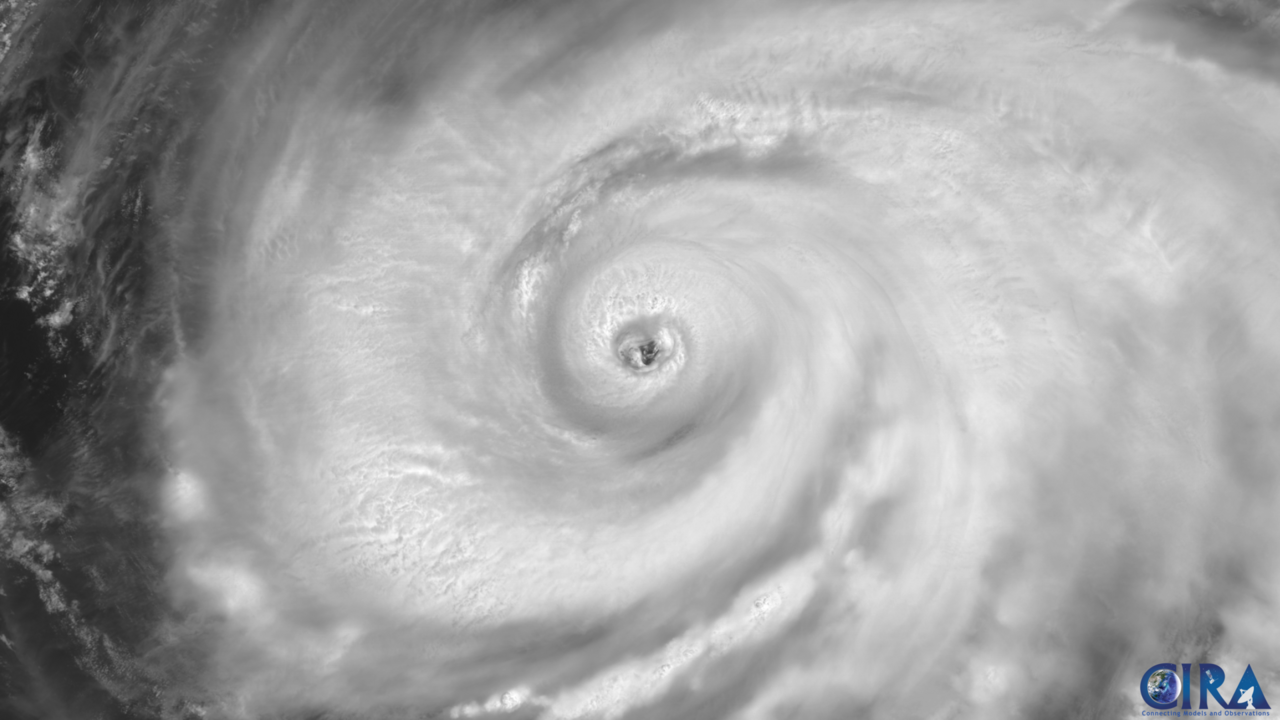
Typhoons tend to form south of Japan from summer into autumn, and Okinawa lies along their usual paths. In its Okinawa statistics (Naha), the JMA counts a typhoon as “approaching” when its center comes within 300 km of the Okinawa Meteorological Observatory. In the Naha table covering 1951 to 2025, approaches are recorded mostly from around May to October, and they are concentrated between July and October.
Averaged over the 30 years from 1991 to 2020, Naha sees 4.0 typhoon approaches per year. Four a year does not mean one will hit your travel dates, but the numbers vary a lot from year to year: some years have few approaches, and in other years several arrive in quick succession. So we cannot say “it’s only an average, so you’ll be fine.”
The Weather Can Change Outside Typhoon Season Too
Even without a typhoon, Okinawa’s weather can change suddenly. Rain can last for days during the rainy season or when a front moves close. This article focuses on typhoons, but it helps to assume that the weather will change: keep a spare day in your schedule and a few indoor options in mind.
| Definition of a typhoon “approach” | The typhoon’s center comes within 300 km of a JMA observation point (for Naha, the Okinawa Meteorological Observatory) |
|---|---|
| Naha annual average | 4.0 (average for 1991-2020) |
| When approaches stand out | Around July to October (JMA Naha statistics table, 1951-2025) |
| Source | JMA Okinawa Meteorological Observatory, “Naha: number of typhoon approaches” |
Terms You Will See in Forecasts: Strong-Wind Area, Storm Area, Forecast Circle
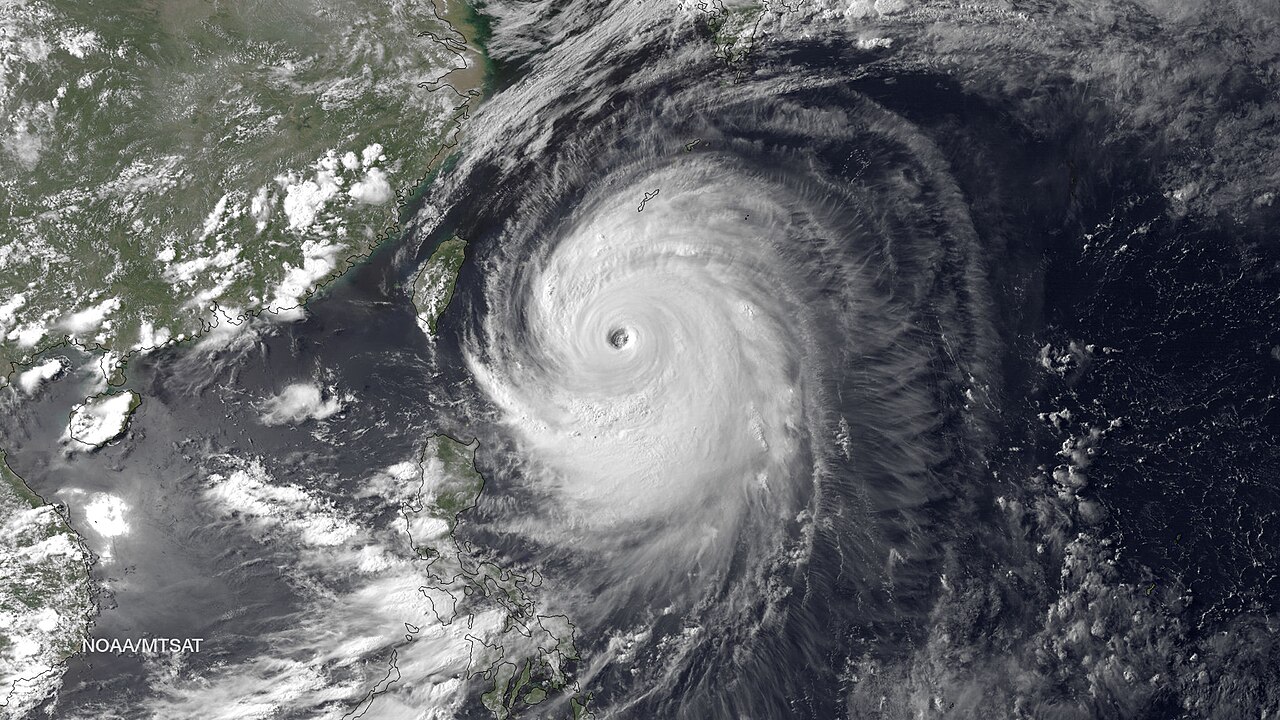
Typhoon information uses a few standard terms. According to the JMA, a typhoon’s “size” is the radius of its strong-wind area, where winds are 15 m/s or more, and its “strength” is the maximum wind speed (10-minute average). The “storm area” is the area where winds of 25 m/s or more are blowing or may blow. On weather maps, the area where the typhoon’s center is expected to travel is shown as a “forecast circle,” but this is only a guide to where the center may go, not the extent of the wind and rain. Strong wind and rain can occur outside the circle too.
As a rule of thumb for travelers: once a storm area is shown on typhoon information, start preparing to give up outdoor plans, and act early.
UMUI Rent a Car’s Typhoon Policy and Cancellations
What the “Typhoon Response” Page Says
On its official “Typhoon Response” page (https://u-mui.com/typhoon/), UMUI Rent a Car says that during a typhoon it puts the safety of customers and staff first. In summary, the page says the following.
| Before the typhoon approaches | If you need to cancel your rental car reservation, contact UMUI via its official LINE account. |
|---|---|
| While the typhoon is approaching | For safety, some branches may suspend operations. Customers with existing reservations receive the latest information by LINE and email. |
| Cancellation fee | No cancellation fee applies if your plans change because of a typhoon. |
| Please note | Even during a typhoon, a no-show cancellation fee applies if you cancel without contacting UMUI. |
| Contact | Official LINE / info@u-mui.com |
The last item, “Please note,” is the important one. The typhoon exemption from cancellation fees applies when you contact UMUI and change your plans. Do not simply cancel on the booking site’s screen; contact UMUI first through the official LINE account or by email.
The page does not state the time at which a branch will suspend operations, or the criteria for doing so (for example, when a storm warning is issued). Please check the latest notice sent by email or LINE with your reservation for the actual operating status.
What the Rental Agreement Says About Natural Disasters
UMUI Rent a Car’s Rental Agreement (https://u-mui.com/rental-agreement/) contains the following provisions on natural disasters. They show how situations that are the fault of neither party, such as a typhoon, are approached.
| Article 6, Paragraph 5 (Cancellation of reservations) | If a rental contract is not concluded because of an event that is the responsibility of neither the renter nor the company, such as an accident, theft, non-return, recall or natural disaster, the reservation is treated as cancelled and the company returns any reservation deposit it has received. |
|---|---|
| Article 8, Paragraph 2 (Exemption from liability) | If the company becomes unable to provide a rental car or a substitute car because of a natural disaster or other force majeure, the renter will not hold the company liable for resulting damages. In that case, the company contacts the renter immediately. |
| Article 23 (Responsibility for return) | If you cannot return the car because of force majeure such as a natural disaster, contact the company immediately and follow its instructions. * A Non-Operation Charge (NOC) may apply. |
The Rental Agreement is the document that sets the actual terms of use. The table above only pulls out the key points, and how an individual case is handled depends on your reservation and circumstances. If you are unsure, please contact UMUI Rent a Car to confirm.
If You Booked Through a Travel Agency or Booking Site
The Rental Agreement has a provision (Article 5 and others) saying that if you booked through a booking agent such as a travel agency, you can change or cancel the reservation only through the agent where you applied. If you booked through a travel agency or booking site, check the cancellation terms of that service as well as contacting UMUI’s official LINE. If you are not sure which to contact, the safest approach is to use the contact details in your booking confirmation email.
How to Think About Cancelled Flights
Check Your Airline’s Flight Status First
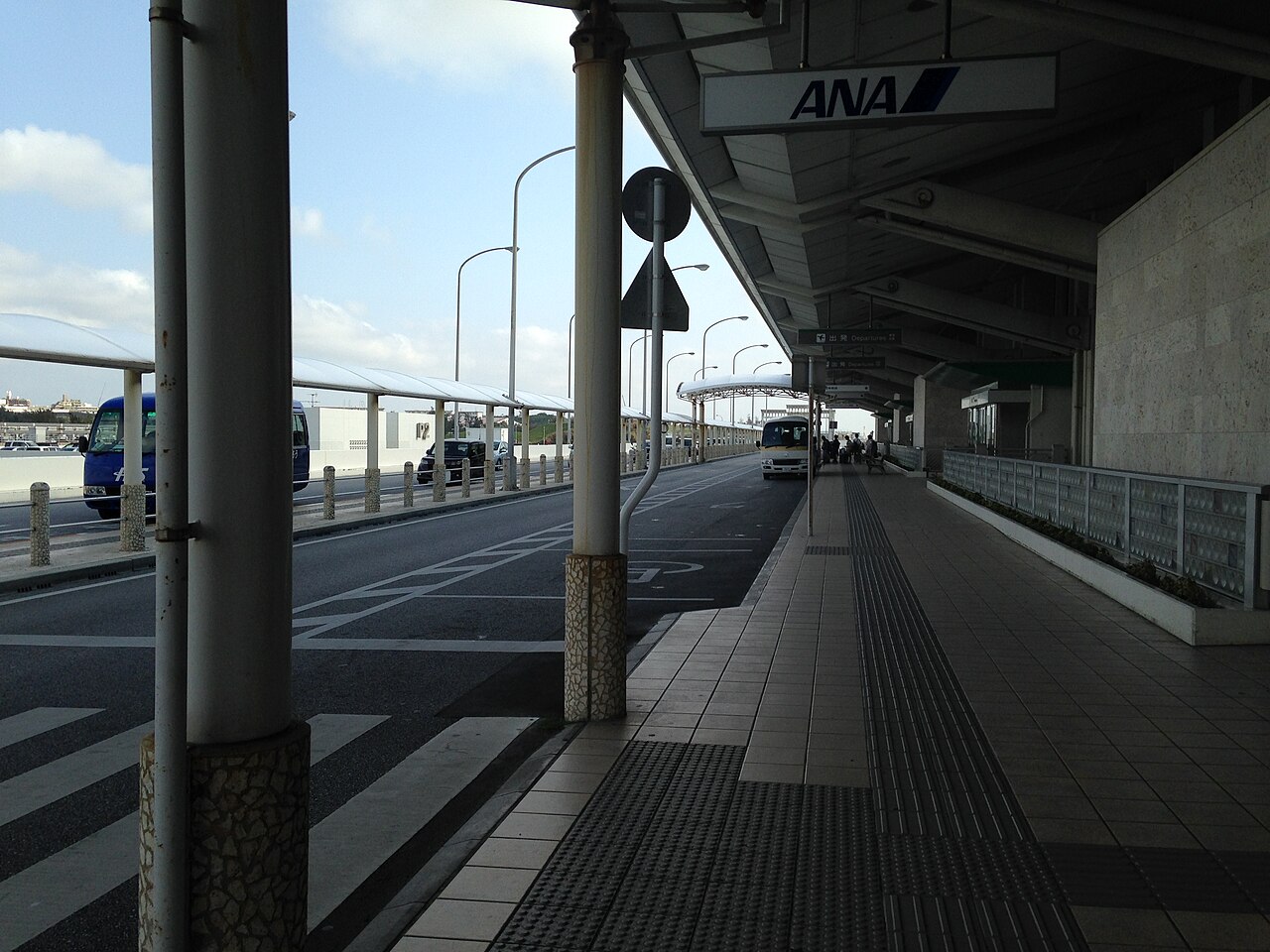
Whether a plane flies is decided by the airline. When a typhoon nears, cancellations are sometimes decided the day before, and sometimes changed on the day as the weather develops. Whether you fly direct to Naha from Taiwan, Korea or Hong Kong, or take a domestic flight within Japan, make a habit of checking flight status on your airline’s official website or app on the day before departure and on the morning of departure.
Conditions for refunds and rebooking when flights are cancelled or delayed differ by airline and ticket type, so we cannot state a general rule here. Please check the guidance from the airline or travel agency where you bought your ticket.
If a Flight Is Cancelled, Contact the Rental Car Company Right Away
As soon as you learn that your flight is cancelled, contact the rental car company about your reservation at the same time as you handle your air ticket. UMUI’s typhoon guidance asks customers who want to cancel to contact it through the official LINE account. If you do not turn up and have not contacted UMUI, it may be treated as a no-show cancellation.
If you will arrive late, tell UMUI your new arrival time so that things go smoothly. The Naha Airport branch is open from 8:00 to 20:00 every day of the year, but operating status may change during a typhoon.
Tips for Shifting Your Schedule
If a typhoon forces you to move your plans back, checking these three things together saves you from doing things twice.
- Air ticket change and refund conditions (airline or travel agency)
- Accommodation change and cancellation conditions (these differ by property)
- Rental car reservation change or cancellation (for UMUI, contact the official LINE account)
For overseas trips in particular, your return flight and any connections are affected too. If you have travel insurance, it is also worth checking in advance whether your policy covers this kind of disruption.
Driving as a Typhoon Approaches: What Not to Do
The Basic Rule: Do Not Drive When a Typhoon Is Near
Avoid driving while a typhoon is approaching as far as you can. Violent wind and heavy rain reduce visibility, crosswinds can push the car off line, and flying debris can hit you. UMUI’s page does not state criteria for banning driving, but during a typhoon the basic principle is to put safety before your itinerary.
If you do need to use the car, finish your errands before the typhoon arrives, and do not go out unnecessarily once the wind and rain get stronger.
Do Not Enter Flooded Roads or Underpasses
Road flooding is especially dangerous in heavy rain. According to the Japan Automobile Federation (JAF), underpasses (low roads that pass under railways or other roads) and underground passages sit lower than their surroundings, so water collects there, and accidents have occurred in which the water level rose within a short time and cars were submerged. In JAF’s tests, even 30 cm of water can affect a car, and at 60 cm there were cases in which a car stopped while moving.
You cannot tell how deep the water is just by looking, even if it appears shallow. As a rule, do not enter any road covered with water. Also avoid roads along rivers, as water levels there can rise suddenly.
Do Not Go to “Look at” the Sea or Rivers
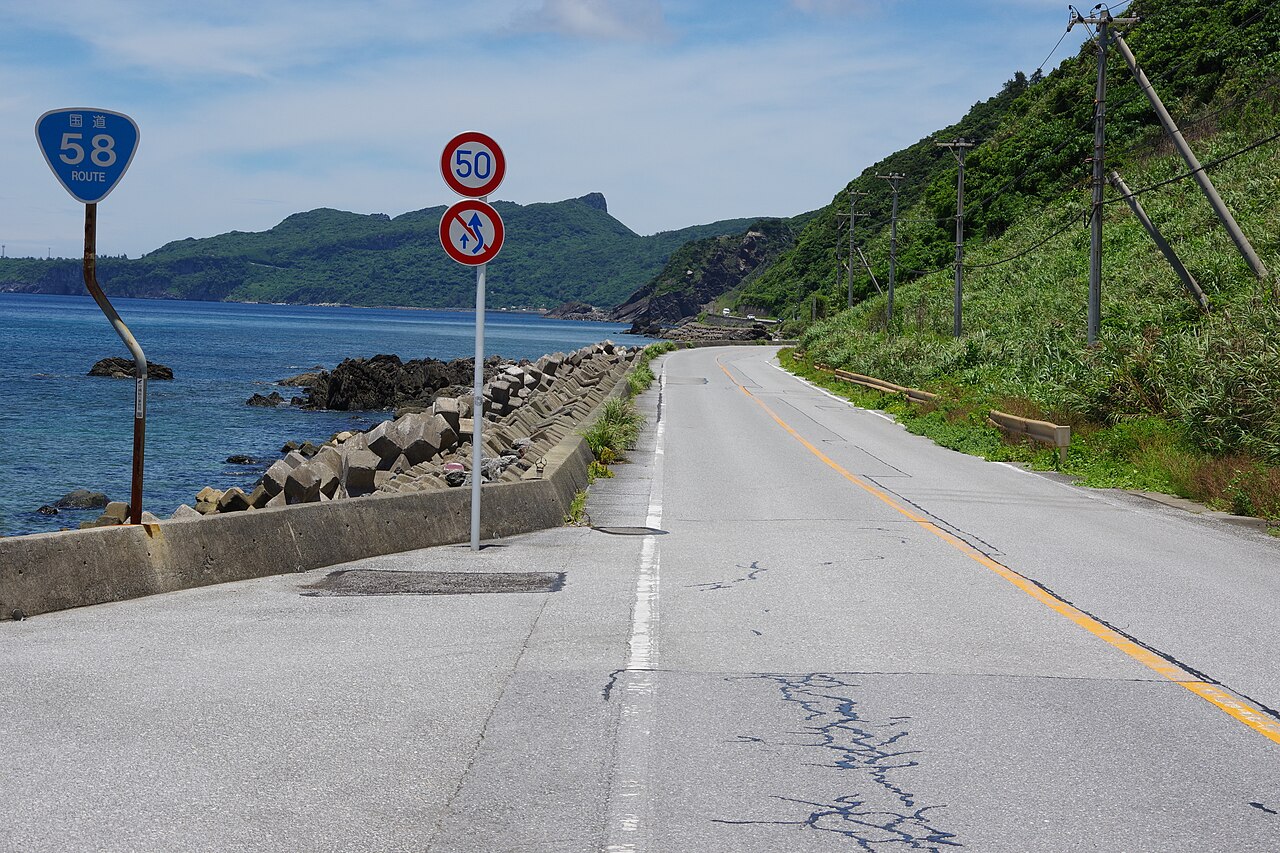
During a typhoon, high waves and storm surge can make coastal roads impassable. Going to the shore to take photos, or going to look at a river or irrigation channel, risks being swept away by waves or caught in rising water. Never go near them.
When you park, also avoid places near the sea, near trees, signs or power lines, and low-lying places; park in a safe spot as close to a building as you can.
Prepare for Power Outages, Dark Traffic Lights and Fuel
Strong wind and rain can cause power outages, and some traffic signals may go dark. At an intersection where the signal is out, stop, look carefully left and right, and then proceed. Gas stations may also close early. Before the typhoon nears, check that you have enough fuel, and charge your smartphone fully.
If There Is an Accident or Breakdown
If you notice a problem with the car, or if there is a breakdown or accident, UMUI’s Rental Agreement says to stop driving at once, contact the company and follow its instructions. In the case of an accident, you take the steps required by law regardless of its size and then report to the company. Contact can be difficult during a typhoon, so note down the emergency contact details before you get in the car.
How to Gather Typhoon and Weather Information
Check the JMA and the Okinawa Meteorological Observatory
You can check a typhoon’s position, track and strength on the JMA’s “Weather, Climate and Earthquake Information” page (https://www.jma.go.jp/bosai/map.html). To learn when and how closely a typhoon will approach Okinawa, the basics are the JMA’s typhoon information and the warnings and advisories issued by the Okinawa Meteorological Observatory (https://www.jma-net.go.jp/okinawa/). An English page (https://www.jma.go.jp/jma/indexe.html) is also available. If you are not comfortable with Japanese, starting from the English page is one option.
| JMA disaster prevention information | Typhoon position, forecasts, warnings and advisories (https://www.jma.go.jp/bosai/map.html) |
|---|---|
| Okinawa Meteorological Observatory | Okinawa weather, warnings, advisories and statistics (https://www.jma-net.go.jp/okinawa/) |
| JMA (English) | https://www.jma.go.jp/jma/indexe.html |
Latest Information from Airlines, Hotels and the Rental Car Company
Weather information alone does not tell you whether planes and shops are actually operating. Check flight status from your airline, messages from your accommodation, and notices from the rental car company together. UMUI says it sends the latest information to customers with reservations by LINE and email. It is a good idea to check beforehand that the email address on your reservation is correct and that messages are not going to your spam folder.
Check Before You Leave and Several Times a Day
Typhoon information is updated over time. Check it every day starting a few days before departure, and look again several times a day during your trip, for example morning, noon and night, so that you notice changes. Information on social media is often unreliable, so base your decisions on official information such as the JMA’s.
When a Typhoon Is Forecast: Preparing Before You Book and Spending the Time
Preparations You Can Make Before Booking
If you are visiting Okinawa during typhoon season, these preparations will give you peace of mind.
- Build one spare day into your schedule (in case your return flight is cancelled)
- Check the cancellation and change conditions for your air ticket, accommodation and rental car
- Keep the rental car company’s contact details (official LINE, email) where you can find them quickly
- Check what your travel insurance covers
UMUI Rent a Car’s booking site is available in Japanese, English, Korean and Traditional Chinese. Before you book, please read the typhoon response page as well.
While a Typhoon Is Passing
While a typhoon is approaching, the best thing is to stay quietly in your accommodation. Buy food before the typhoon gets close, or eat near where you are staying. At some properties, meal service and check-out arrangements change during a typhoon, so it is worth asking the staff.
After the Typhoon: Rainy-Day Ideas
Even after a typhoon has passed, road damage, flooding and heavy swells can remain. Seaside attractions and ferries to the islands may take time to resume operations. Check the official information from each facility or ferry company for the latest status.
On rainy days, or on days after a typhoon when it is hard to go out to the sea, we recommend switching to places you can enjoy indoors. Articles under the “rainy day” tag on this blog may also help with planning.
Frequently Asked Questions
Will I be charged a cancellation fee if I cancel my rental car because of a typhoon?
UMUI Rent a Car’s “Typhoon Response” page says that no cancellation fee applies if your plans change because of a typhoon. However, it also says that a no-show cancellation fee applies if you cancel without contacting UMUI. Please contact UMUI first through the official LINE account or by email.
If the shop is open during a typhoon, is it fine to rent and drive?
A shop being open and driving being safe are two different things. When there is a risk of violent wind, heavy rain or flooding, we recommend refraining from driving. UMUI’s Rental Agreement also says that if you cannot return the car because of a typhoon or similar event, you should contact the company immediately and follow its instructions.
Whom should I contact if I booked through a travel agency?
For reservations made through an agent such as a travel agency, changes and cancellations are to be requested through that agent (Rental Agreement). Follow the instructions of the service where you booked, and contact UMUI Rent a Car as well if needed.
Okinawa in typhoon season calls for attention to changing weather, but with some preparation your worries become much smaller. If you are unsure about changing a reservation or your plans, please contact UMUI Rent a Car early. The Naha Airport branch also offers a free shuttle between the airport and the shop.
* Information in this article is as of October 2026. UMUI Rent a Car’s policies and Rental Agreement may change. Please check the latest information on the UMUI Rent a Car website and with the JMA, the Okinawa Meteorological Observatory and your airline.
Photo credits: Wikimedia Commons (Public domain / CC BY-SA 4.0). Photographers and sources are credited in each caption.