
Want to see a World Heritage site and some dramatic scenery in Okinawa, but short on time? Southern Okinawa, about an hour by car from Naha, is a great fit. The Nirai Kanai Bridge sweeps in a wide curve toward the sea, Chinen Cape Park juts out into the Pacific, and Sefa Utaki, the highest sacred site of the Ryukyu Kingdom, sits nearby. These sights are all within about 10 minutes of each other by car, so 4 to 5 hours is enough to see them without rushing.
This article introduces a half-day model course through southern Okinawa by rental car from Naha Airport or central Naha, along with the practical details drivers care about: time planning, parking and the times of day when roads get busy. If you have extra time, it also covers stops on the way back, including the Himeyuri Monument, the Peace Memorial Park and Michi-no-Eki Itoman.
The Half-Day Southern Okinawa Course at a Glance
A Sample 4-to-5-Hour Schedule
For a half-day trip to the south, we recommend leaving in the morning and getting back to Naha in the early afternoon. There are two reasons. First, it leaves plenty of room around Sefa Utaki’s opening hours and the time a visit takes (details below). Second, the roads back into Naha tend to get busier as the afternoon goes on.
| 9:00 | Leave UMUI Rent a Car Naha Airport branch (or Omoromachi branch) → head toward Nanjo City |
|---|---|
| 10:00 | Nirai Kanai Bridge (drive down from Prefectural Route 86 to Route 331) |
| 10:20 | Park at the Nanjo City Regional Products Center and buy a ticket for Sefa Utaki |
| 10:30 | Sefa Utaki (1 to 1.5 hours including the walk) |
| 12:00 | See Kudaka Island from Chinen Cape Park (about 30 minutes) |
| 12:30 | Souvenirs and a light snack at the Regional Products Center → head back toward Naha |
| 13:30–14:00 | Back in Naha (if you have time, detour toward Itoman on the way) |
The times are only a guide. Central Naha gets congested during the morning and evening commute, so aim to be out of the city center by the 9:00 hour. It makes the rest of the day much easier.
Distance and Drive Time from Naha to Nanjo
Nanjo City’s tourism site (“Rashiine Nanjo”) says Chinen Cape Park is about 60 minutes by car from Naha Airport. Some guides give about 40 minutes for the Nirai Kanai Bridge, and the real figure depends on where you start and which roads you take. As a rule of thumb, allow about 40 minutes to 1 hour from Naha Airport to the main sights in Nanjo. If traffic is heavy, it will take longer.
The bridge is about 5 minutes by car from the Nanjo City Regional Products Center, and Chinen Cape Park is right behind the center. The distances between sights are short, so what matters on this course is not driving time but how you spend your time at each stop.
Check Before You Go: Sefa Utaki’s Rest Days
Based on the old lunar calendar, Sefa Utaki has two “rest days” a year when visitors cannot enter the sacred site. The official website lists June 15 (Mon) to 17 (Wed) and November 9 (Mon) to 11 (Wed) for 2026, and June 5 (Sat) to 7 (Mon) for 2027. You cannot enter during these periods, so be sure to check that they do not overlap with your trip before you leave.
[Limited access from November 2, 2026 to January 5, 2027] According to Nanjo City, drainage work during this period means visitors can only enter Sefa Utaki as far as the entrance area (Ujoguchi, the Kudaka Island worship point), and admission is scheduled to be free. You will not be able to reach Sangui or the other inner sites, so if your trip falls in this period, check Nanjo City’s latest notice.
Opening hours also change with the season. From March to October it is open 9:00–18:00 (last entry 17:30), and from November to February 9:00–17:30 (last entry 17:00). A morning visit, as in this course, fits comfortably in either season.
Morning Highlight: Driving Down to the Sea on the Nirai Kanai Bridge
What Is the Nirai Kanai Bridge?
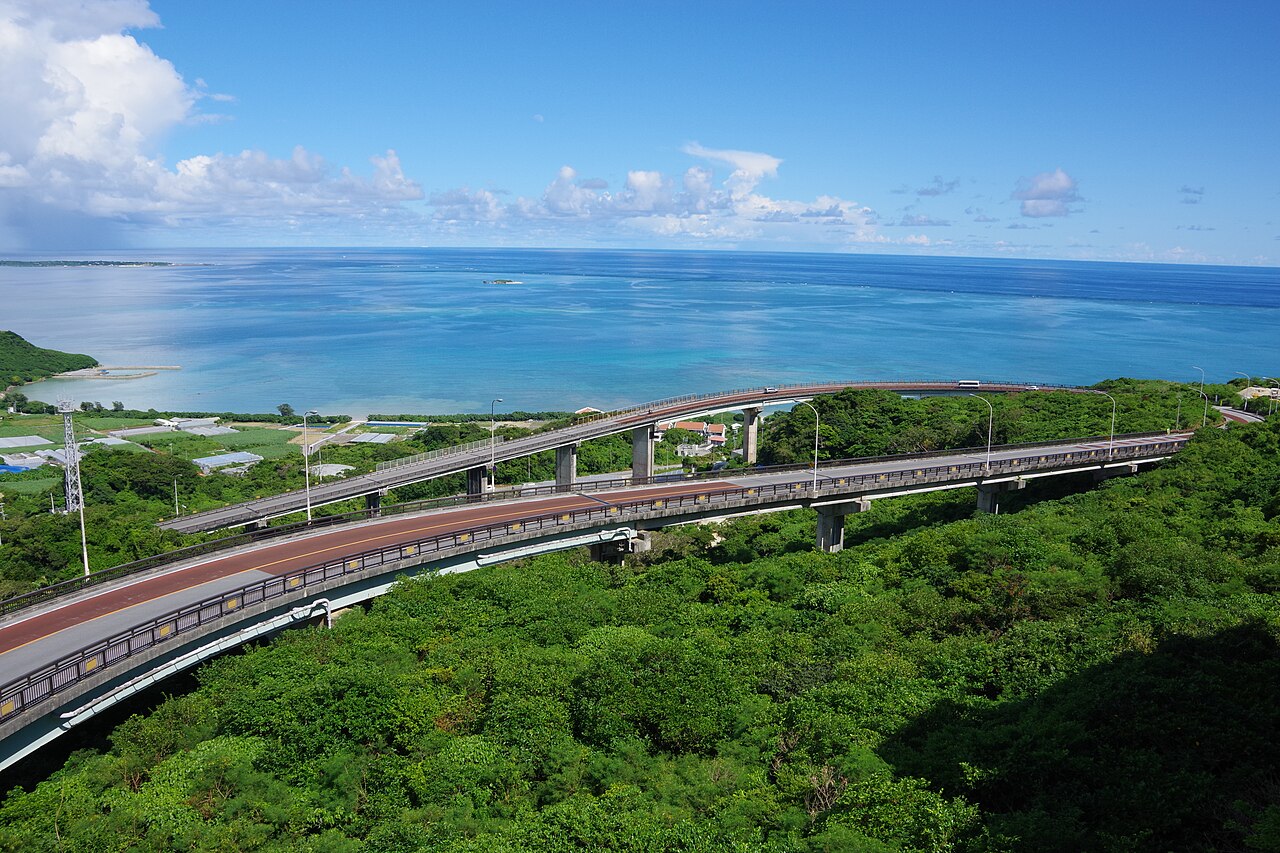
The Nirai Kanai Bridge in Chinen, Nanjo City, is a gently curving road made up of the “Nirai Bridge” on the mountain side and the “Kanai Bridge” on the sea side. “Nirai Kanai” is the Okinawan name for an ideal paradise said to lie far beyond the sea. True to the name, a wide blue ocean fills your view as you reach the bridge, and it feels as if you are driving straight into the sea.
The official tourism site describes the bridge as lying on the way down from Prefectural Route 86 (toward Tsukishiro) to Route 331. Driving in this direction, from the mountain side toward the coast, keeps the ocean in front of you the whole way down, which makes it a good first highlight for a half-day trip. Cape Chinen and the distant island of Kudaka are also said to be visible from the bridge.
| Address | 沖縄県南城市知念吉富 |
|---|---|
| Access | Open to traffic (closed during typhoons and severe weather) |
| Parking | “None” according to the official tourism site (you cannot stop on the bridge) |
| Getting there | On the way down from Prefectural Route 86 (Tsukishiro side) to Route 331 / about 5 min by car from the Nanjo City Regional Products Center / about 40 min to 1 hour by car from Naha Airport |
Driving Tips and Taking Photos
The bridge is a pleasant downhill curve, but it is also a place where your attention can drift to the view and your speed can creep up. Keep a good distance from the car in front and stay within the speed limit. You cannot stop on the bridge to take photos. Passengers can shoot from the car window as you drive, or use a viewing spot near the bridge.
Some guides mention a viewing area near the bridge, but what they say about whether you can park there and how many spaces there are differs from source to source, and the official tourism site lists the parking as “none.” Follow the signs on site, and do not park on the road or anywhere that would bother local residents.
The bridge can be closed when a typhoon approaches or in severe weather. On days when the weather looks like turning, it helps to stay flexible and be ready to change your destination or the order of your stops early.
Sefa Utaki: Walking the Ryukyu Kingdom’s Sacred Ground
Buy Your Ticket at the Nanjo City Regional Products Center
You do not buy your ticket for Sefa Utaki at the entrance to the site. Instead, you buy it at the ticket office attached to the Nanjo City Regional Products Center. The official site designates this center as the parking area and ticket office, and asks you to set your car navigation to “Nanjo City Regional Products Center” rather than “Sefa Utaki.”
You cannot visit without a ticket, and the sacred places cannot be seen from outside. The last ticket sales are at 17:15 from March to October and 16:45 from November to February. This course assumes a morning arrival, so it is not a problem, but keep it in mind if you push your visit into the afternoon.
The center is also handy for souvenirs. It carries local products from Nanjo, goods themed on Sefa Utaki and Kudaka Island, and soft-serve ice cream made with Nanjo milk (it is listed as open 9:00–18:00, every day of the year). It is a good place to rest after your visit.
| Address | 沖縄県南城市知念字久手堅539(南城市地域物産館) |
|---|---|
| Hours | 9:00–18:00 (open every day) |
| Parking | Available |
| Getting there | About 1 hour by car from Naha Airport |
Highlights of Sefa Utaki and How Long to Allow
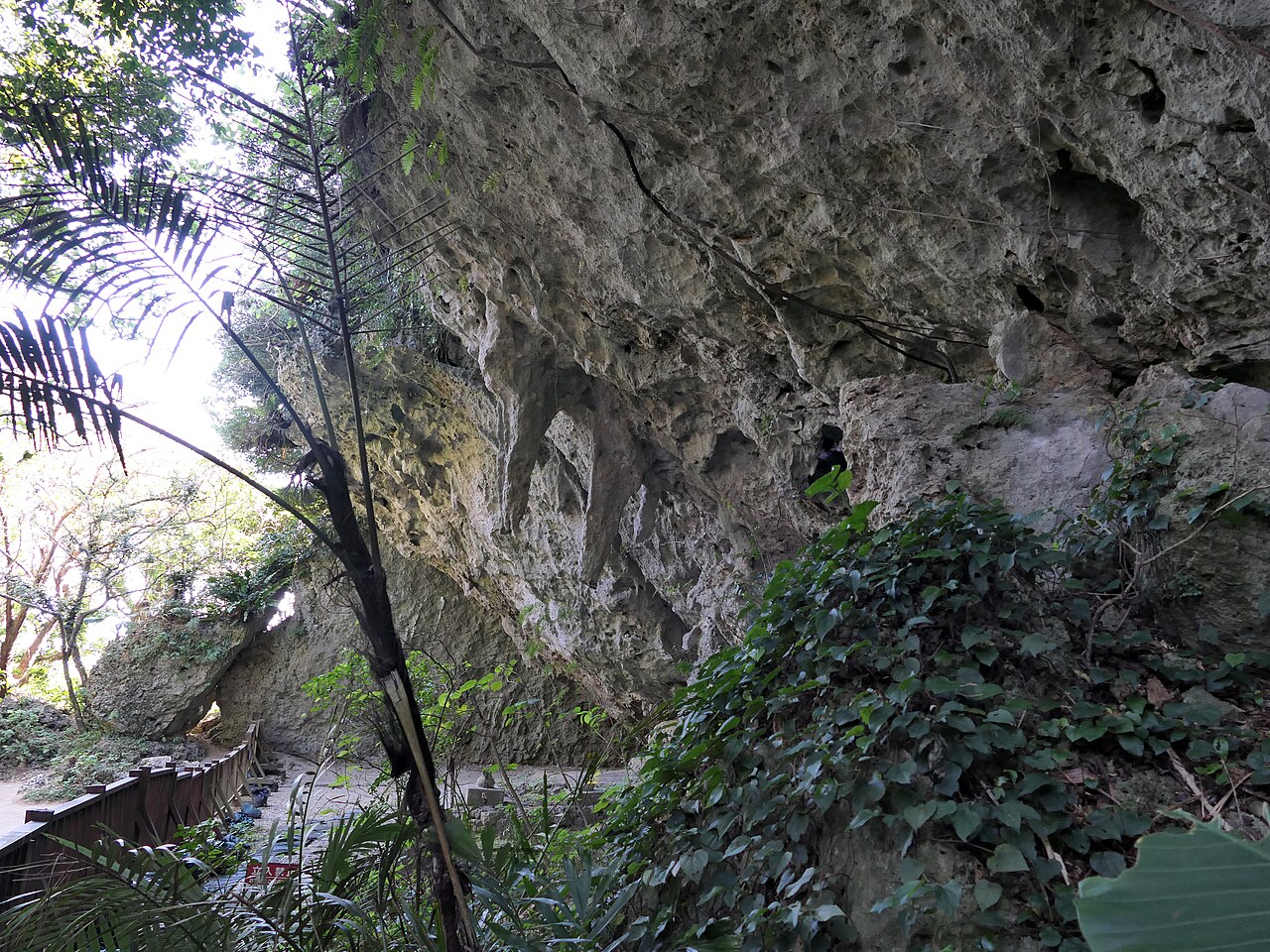
Sefa Utaki has long been regarded as the highest-ranking sacred site of the Ryukyu Kingdom, and it is registered as a World Heritage site as part of the “Gusuku Sites and Related Properties of the Kingdom of Ryukyu.” Sacred places are scattered through the dense forest, including Sangui, where huge rocks lean together to form a triangular space. It is a place to walk with the awareness that it is still used for prayer today, not simply a tourist attraction.
The official site gives a guideline of 50 to 60 minutes for a visit (including the walk from the ticket office). That breaks down into a 7 to 10 minute walk (about 500 m) from the parking area to the entrance, and 10 to 15 minutes from the entrance to Sangui. A tourism site suggests about 1 to 1.5 hours including travel, so you will be able to look around more calmly if your schedule for the return trip has some slack.
Paid guided tours are also offered and require a reservation in advance (check the official site for the booking deadline and other conditions). Knowing the history and the beliefs behind the place changes how the same scenery looks.
| Address | 沖縄県南城市知念字久手堅(入場券は南城市地域物産館で購入) |
|---|---|
| Hours | Mar–Oct 9:00–18:00 (last entry 17:30) / Nov–Feb 9:00–17:30 (last entry 17:00) |
| Rest days | Three days each in the lunar 5th and 10th months. In 2026: June 15–17 and November 9–11 (2027: June 5–7) |
| Admission | Please check the official website (there are categories such as groups, and free entry on presentation of a disability certificate) |
| Parking | The Nanjo City Regional Products Center, plus parking near Ganju Station Nanjo and Chinen Cape Park is also listed (about 500 m, a 7 to 10 minute walk from parking to the entrance) |
| Getting there | About 1 hour by car from Naha Airport |
What to Wear, and Rainy Days
Sefa Utaki has stone paths and dirt trails, so comfortable walking shoes are best. The official site says sneakers are preferable but that sandals are fine as long as they are not high heels or thick-soled shoes. If you are wearing high heels, you can swap into free loan footwear at the Midori no Yakata Sefa at the entrance. Guided tours, however, do not allow entry in high heels or other shoes with raised heels.
Because it is a sacred place, visitors are asked to avoid revealing clothing such as bare shoulders, backs or midriffs, miniskirts, short shorts and camisoles. On sunny days, bring a hat or parasol to guard against heatstroke. In the rain the grounds become very slippery. The site also notes there are no restrooms or food facilities inside, so use the facilities at the Regional Products Center before you go in.
Chinen Cape Park: A View of Kudaka Island
A Park Jutting Into the Pacific
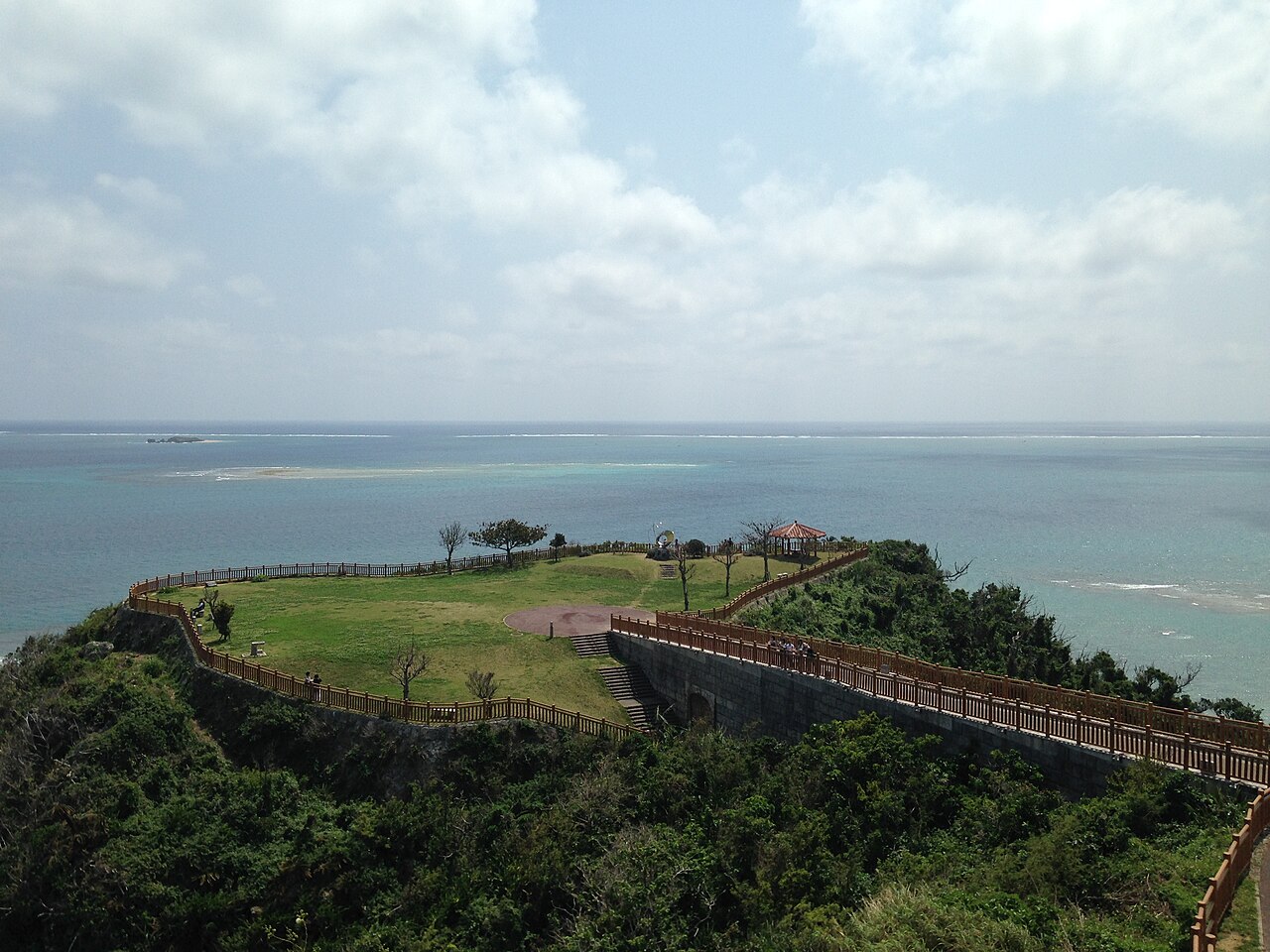
After Sefa Utaki, stop at Chinen Cape Park, right behind the Nanjo City Regional Products Center. It sits on a cape surrounded by sea on three sides, and the official tourism site calls it a “spectacular park that makes you cheer out loud.” Inside are a pavilion with a red-tile roof and a walking path where you can stroll in the sea breeze.
Almost nothing blocks the view, and you can see the Pacific Ocean stretching away. A coral reef lies below the park, and the look of the sea changes with the tide. If you want to avoid the times when tour buses arrive, one option is to cut your Sefa Utaki visit a little short and come here first.
| Address | 沖縄県南城市知念字久手堅 |
|---|---|
| Hours | Not listed on the official tourism site (closed: none) |
| Parking | Available (also listed as a parking area for Sefa Utaki; follow on-site guidance when crowded) |
| Getting there | Right behind the Nanjo City Regional Products Center / about 1 hour by car from Naha Airport |
Kudaka Island, the Island of the Gods
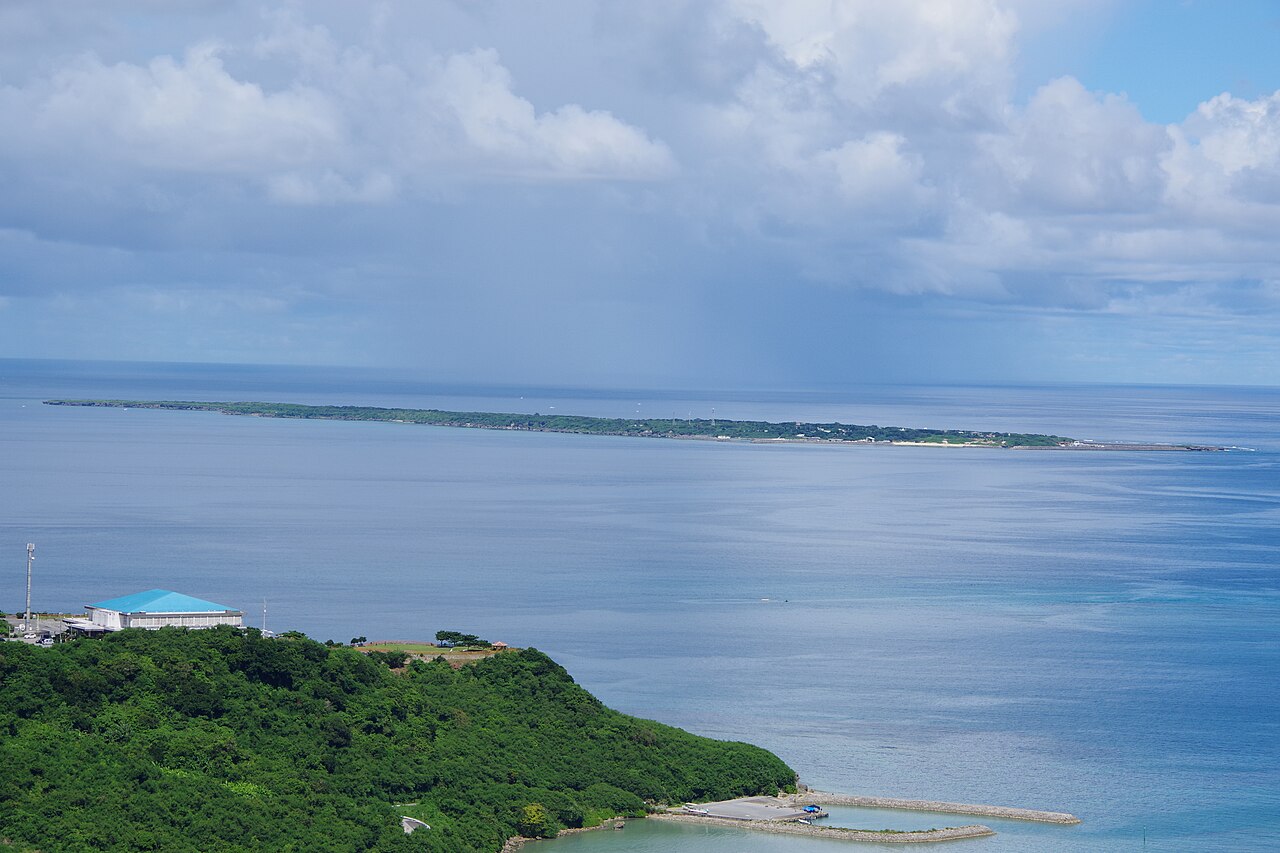
From Chinen Cape Park you can see Kudaka Island and Komaka Island close offshore. Kudaka is called the “Island of the Gods,” where Amamikyu, the creator deity of the Ryukyus, is said to have descended, and sacred places are scattered across the island. It is also said that you can see Kudaka from the worship spot near the Umijoguchi gate at Sefa Utaki, and the view shows how closely the sacred site and the island are linked.
You can reach Kudaka Island by boat from the Azama ferry waiting room in Nanjo (said to take about 15 minutes by high-speed boat and about 25 minutes by ferry). A half day is not enough to cross over, though, so plan a separate trip for it.
Lunch and Rest Stops
On a half-day course, it helps to decide ahead of time whether you will have lunch in Nanjo or after you get back to Naha. If you want something light after sightseeing, a snack such as the soft-serve ice cream at the Nanjo City Regional Products Center makes a good break. If you want a proper meal, check each restaurant’s hours and regular holidays in advance. The area gets crowded around midday, so we recommend eating a little early to avoid the rush.
If You Have Time: Stops on the Way Back
Rest at Michi-no-Eki Itoman
If you can extend your drive into Itoman City on the way back toward Naha, Michi-no-Eki Itoman is a convenient rest stop. It is registered as Japan’s southernmost roadside station and sells local seafood, produce and souvenirs (sources differ on its opening hours, so please check the latest official information before you visit).
| Address | 沖縄県糸満市西崎町4-19-1 |
|---|---|
| Hours | Please check the latest official information |
| Phone | 098-987-1277 |
The Himeyuri Monument and Himeyuri Peace Museum
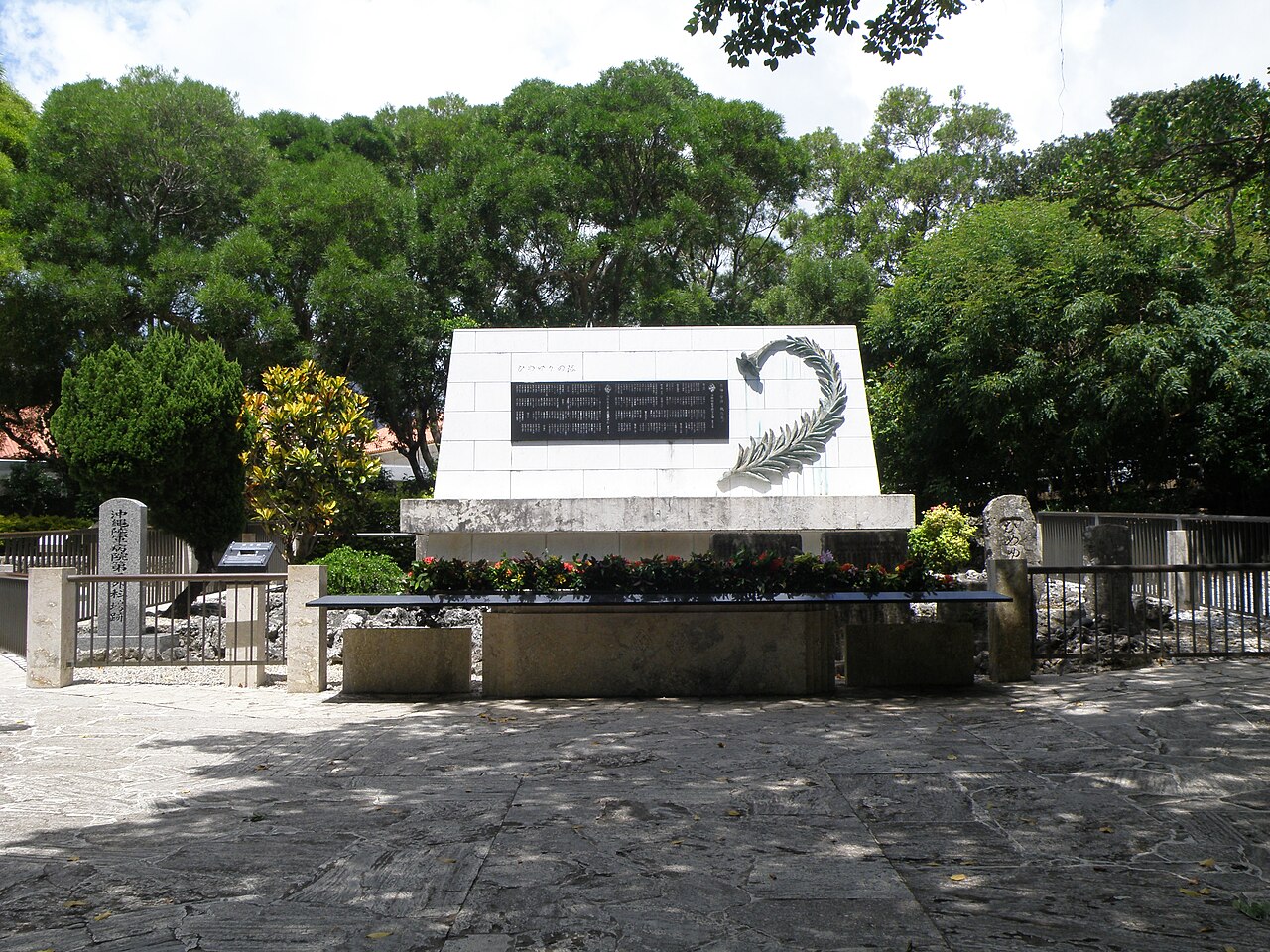
Here you will find a monument that honors the schoolgirls and teachers of the “Himeyuri Student Corps” who died in the Battle of Okinawa, along with the neighboring Himeyuri Peace Museum. The museum’s exhibits help visitors learn about the Battle of Okinawa. It is a place to visit in a quiet frame of mind, so leave yourself plenty of time.
The museum has no parking lot of its own and asks visitors to use the lots of nearby souvenir shops. Even when the museum is closed, the Himeyuri Monument itself can be visited.
| Address | 沖縄県糸満市字伊原671-1(ひめゆりの塔敷地内) |
|---|---|
| Hours | 9:00–17:25 (last admission 17:00) |
| Closed | Open all year (may close temporarily when a typhoon approaches) |
| Admission | Adults 450 yen, high school students 250 yen, elementary and junior high students 150 yen (individuals) |
| Parking | No dedicated lot (use a nearby souvenir shop’s lot) |
Peace Memorial Park and Its Museum
Peace Memorial Park in Mabuni, Itoman City, is described on the Okinawa Prefecture tourism page as a park whose grounds include the Cornerstone of Peace and a museum. It is about 20 km, roughly 30 minutes by car, from the prefectural office. The park holds the Okinawa Prefectural Peace Memorial Museum and the Okinawa Peace Memorial Hall, and both are listed as open 9:00–17:00.
Visiting both the Himeyuri Monument and Peace Memorial Park takes you well past a half day, so if you are short on time, it is more realistic to choose just one.
| Address | 沖縄県糸満市摩文仁(資料館:614-1/平和祈念堂:448-2) |
|---|---|
| Hours | Okinawa Prefectural Peace Memorial Museum and Okinawa Peace Memorial Hall: both 9:00–17:00 |
| Admission | Please check the official website |
| Getting there | About 20 km, around 30 minutes by car from the prefectural office |
Tips for Driving Around Southern Okinawa
Thinking About Parking
In central Nanjo, once you park at the Nanjo City Regional Products Center, which has the Sefa Utaki ticket office, you can reach Chinen Cape Park on foot. For Sefa Utaki’s parking, the official site names the Regional Products Center, while the tourism site also lists Ganju Station Nanjo and Chinen Cape Park as parking areas. Arrangements may change with the season and how busy it is, so check the signs on site.
Some places, such as the Himeyuri Peace Museum, have no dedicated parking. Look up your last stop beforehand and have a backup lot in mind in case the first one is full.
Busy Times of Day
Roads in central Naha tend to get congested during the morning and evening commute. Around midday, when tour buses gather, the parking areas near Sefa Utaki and the Regional Products Center also fill up. By leaving early and finishing Sefa Utaki in the morning, this course is set up to avoid the crowds.
Refueling and Returning the Car
The basic rule is to return the car with a full tank. Gas stations can be few and far between once you leave the city in the south, so it is safer to plan to refuel in Naha just before returning the car. Stations near Naha Airport can be crowded with other rental cars about to be returned, so fill up early.
UMUI Rent a Car’s Naha Airport branch offers a free shuttle from the airport and is open 8:00–20:00 every day of the year. Cars can be returned only at our branches, and after you return the car at the Naha Airport branch, we take you to the airport by free shuttle. Work backward from your flight time and get back to the branch with time to spare.
Frequently Asked Questions About Driving in the South
Do I need to reserve in advance for Sefa Utaki?
You buy admission tickets at the ticket office attached to the Nanjo City Regional Products Center. Reservations are required only for the paid guided tours. Note, though, that you cannot enter the site during the rest days described above (three days each in the lunar 5th and 10th months). Please check the official website for details.
How many places can I visit in a half day?
On this course, you can comfortably visit three places: the Nirai Kanai Bridge, Sefa Utaki and Chinen Cape Park. If you have extra time, adding just one more stop on the way back, such as Michi-no-Eki Itoman or the Himeyuri Monument, is about as much as is easy on the driver.
Can I still enjoy it on a rainy day?
The grounds of Sefa Utaki become very slippery in the rain, so wear sturdy walking shoes and take your time. The Nirai Kanai Bridge may be closed in a typhoon or severe weather. On days with bad weather, one option is to focus on indoor stops such as shopping at the Nanjo City Regional Products Center or visiting the Himeyuri Peace Museum.
About an hour’s drive from Naha Airport, southern Okinawa offers a bridge looking down on the sea, a World Heritage sacred site and a cape with a view of the Island of the Gods. Because it works as a half-day outing, it also fits neatly into the gap on your arrival or departure day. UMUI Rent a Car offers a free shuttle from Naha Airport to our branch. We hope you will consider us for your drive around southern Okinawa.
* The opening hours, prices and other information in this article are current as of October 2026. They may change, so please check each facility’s official website before you go. Travel times are estimates assuming no traffic.
Photo credits: Wikimedia Commons (CC BY 4.0 / CC BY-SA 4.0). Photographers are credited in each photo’s caption.