“Can I drive a rental car in Okinawa with my own country’s license?” This is the question we hear most often from guests visiting Okinawa from overseas. The license you need to drive in Japan differs completely depending on your country or region. And if your documents are incomplete, we cannot rent you a car on the day, which can seriously disrupt your travel plans.
This article sorts out the licenses required to drive in Japan into three patterns and a list by country and region. It also covers how many weeks before departure you should prepare, and what to show at the UMUI Rent a Car counter, so please check it before you book.
Only three types of license are valid for driving in Japan
The short answer: find out which pattern applies to you
According to the National Police Agency of Japan, the following three types of license are valid for driving a car in Japan. Any other license (for example, just your home-country license, or a license with only an English translation attached) cannot be used to drive in Japan.
| Pattern 1 | A Japanese driver’s license |
|---|---|
| Pattern 2 | An International Driving Permit (issued under the 1949 Geneva Convention) |
| Pattern 3 | A foreign driver’s license + an official Japanese translation (only for 6 countries and regions: Switzerland, Germany, France, Belgium, Monaco and Taiwan) |
If you live in Japan and hold a Japanese license, you can drive with it regardless of your nationality. Most people visiting Japan as tourists fall under either Pattern 2 or Pattern 3.
If neither pattern applies to your country or region
If your country or region does not issue International Driving Permits under the Geneva Convention and is not among the 6 countries and regions eligible for the translation, there is basically no way for a tourist to drive in Japan. There is a procedure to convert a foreign license into a Japanese one (gaimen kirikae), but it is for people who have an address in Japan, and short-term tourists generally cannot use it.
In that case, ask a travel companion who can drive to take the wheel, or plan your trip by combining buses, taxis and sightseeing tours.
Pattern 2: Driving with an International Driving Permit
Only the “1949 Geneva Convention” format is valid
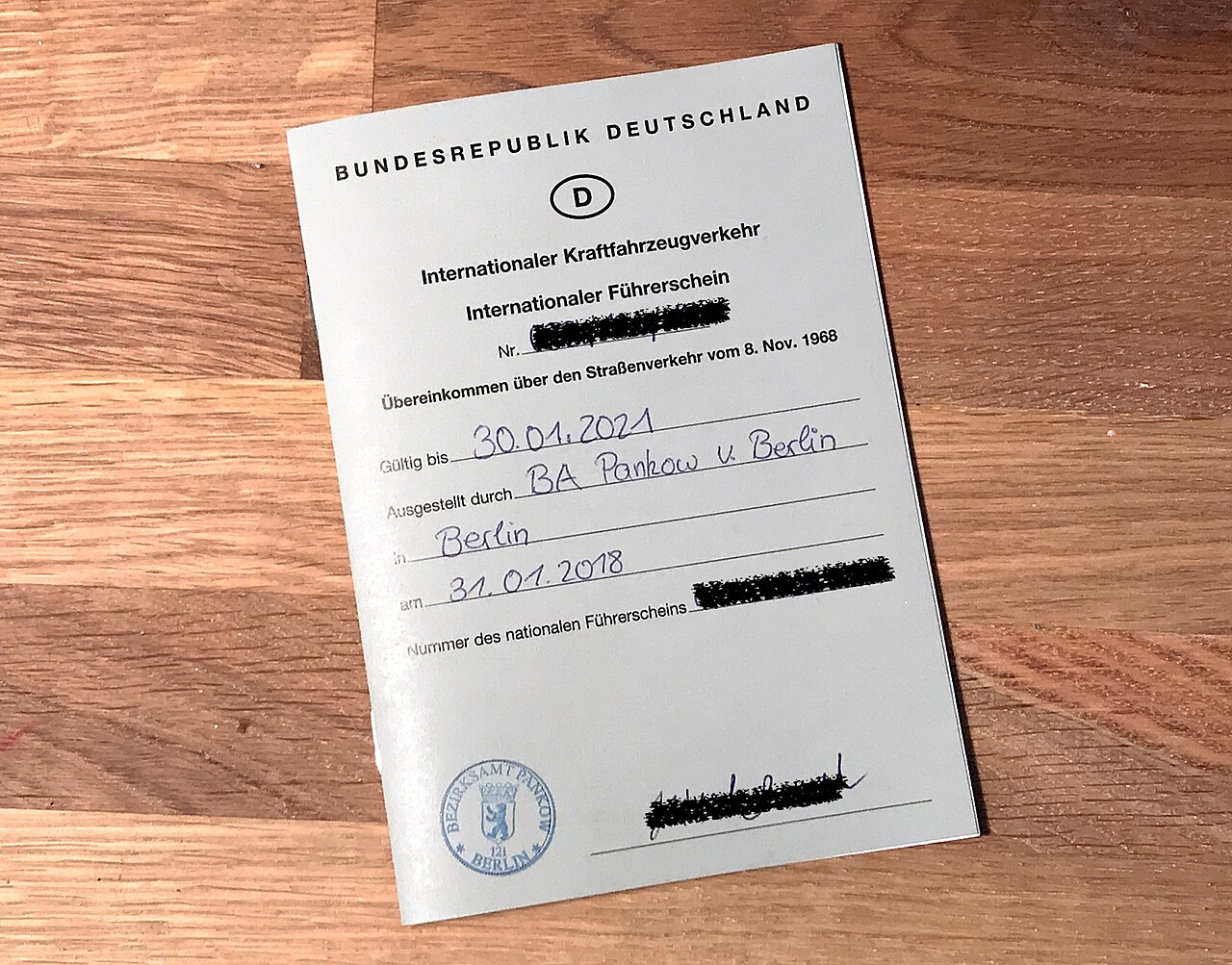
International Driving Permits (IDPs) come in several formats depending on the convention. The only format valid in Japan is the one based on the 1949 Geneva Convention. IDPs in other formats, such as the one based on the 1968 Vienna Convention, cannot be used to drive in Japan.
Some countries issue both Geneva and Vienna formats. In Thailand and the Philippines, for example, the Geneva format can be used in Japan, but the Vienna format cannot. When you apply, the safest approach is to say, “I will use it in Japan, so please issue it in the 1949 Geneva Convention format.” The cover or first page of your IDP states which convention it is based on, so please check it.
Validity period and the “one year from entering Japan” rule
An IDP is valid for one year from the date of issue. In addition, you can drive in Japan only until one year after the day you entered (landed in) Japan or until the IDP expires, whichever comes first. For most people visiting Japan as tourists, it is enough to check that the IDP has not expired.
An IDP is issued on the basis of your home-country driver’s license. When you drive in Japan, please bring your home-country license together with your IDP.
Get your IDP in your own country
An IDP can only be obtained in the country or region that issued your driver’s license. You cannot get one after arriving in Japan, so be sure to prepare it before you leave. In some countries it is issued the same day, but applications by mail can take several weeks. We recommend starting the process as early as possible once your travel plans are set.
Pattern 3: Driving with a foreign license + an official Japanese translation
Applies to Switzerland, Germany, France, Belgium, Monaco and Taiwan
If you hold a license from one of these 6 countries and regions, you can drive in Japan by carrying your home-country license together with a Japanese translation prepared by a designated organization. Please note that IDPs issued by countries such as France and Switzerland are in the Vienna Convention format and cannot be used in Japan. People from these countries should prepare the translation instead of an IDP.
As with an IDP, you can drive for one year from the day you entered Japan. While driving, you must carry both the original license and the translation. You cannot drive with the translation alone.
Organizations that can produce the translation
Not just anyone can produce a valid translation. Only translations prepared by organizations designated under Japanese law are valid. A translation you made yourself, or one made by a translation company or sworn translator in your own country, cannot be used.
| For any country | The government authority of the country or region that issued the license, embassies and consulates in Japan, JAF (Japan Automobile Federation), etc. |
|---|---|
| German licenses | In addition to the above, the German automobile club (ADAC) |
| Taiwanese licenses | In addition to the above, the Taiwan-Japan Relations Association (apply at a motor vehicles office in Taiwan, etc.) |
If you apply through JAF
JAF translations are applied for online. However, you can only apply from within Japan, and you collect it by printing it at a convenience store in Japan. The fee is ¥6,000, and it takes 2 to 3 business days to prepare for licenses from the 6 eligible countries and regions (as of October 2026). If you apply after arriving in Japan, you would be unable to drive for several days, so we recommend choosing a method that you can arrange in your own country before departure.
Quick reference by country and region: what to prepare
Asian countries and regions
| Taiwan | Taiwanese driver’s license + Japanese translation (日文譯本). Taiwanese IDPs cannot be used in Japan. |
|---|---|
| South Korea | IDP in the Geneva Convention format + South Korean driver’s license |
| Hong Kong | IDP in the Geneva Convention format (issued by the Hong Kong Transport Department) + Hong Kong driver’s license |
| Macau | IDP in the Geneva Convention format + Macau driver’s license |
| Singapore | IDP in the Geneva Convention format + Singapore driver’s license |
| Malaysia | IDP in the Geneva Convention format + Malaysian driver’s license |
| Thailand | IDP in the Geneva Convention format + Thai driver’s license (Vienna Convention format not accepted) |
| Philippines | IDP in the Geneva Convention format + Philippine driver’s license (Vienna Convention format not accepted) |
| Vietnam | Vietnamese IDPs are in the Vienna Convention format, so you cannot drive in Japan with them. |
| Mainland China | There is no IDP or translation system that can be used in Japan, so tourists cannot drive in Japan. |
Western countries and Oceania
| United States | IDP in the Geneva Convention format (issued by AAA, etc.) + U.S. driver’s license |
|---|---|
| Canada | IDP in the Geneva Convention format (issued by CAA) + Canadian driver’s license |
| Australia | IDP in the Geneva Convention format + Australian driver’s license |
| United Kingdom | IDP in the Geneva Convention format + UK driver’s license |
| Germany | German driver’s license + Japanese translation |
| France | French driver’s license + Japanese translation (French IDPs not accepted) |
| Switzerland | Swiss driver’s license + Japanese translation (Swiss IDPs not accepted) |
| Belgium and Monaco | Home-country driver’s license + Japanese translation |
If your country or region is not listed in these tables, please ask the authority that issues driver’s licenses in your country whether it issues IDPs in the 1949 Geneva Convention format. You can also check whether each country’s format is valid in Japan in the IDP format materials published by Japan’s National Police Agency.
For travelers from Taiwan and South Korea: how to obtain your document
Taiwan: get your Japanese translation (日文譯本) at a motor vehicles office before departure
Travelers from Taiwan should prepare a Japanese translation of their license (日文譯本) rather than an IDP. In Taiwan, you can apply at motor vehicles offices (監理站/監理所) around the country, and it is generally issued in a short time. Fees and required documents may change, so please check at your nearest office before you leave. It can also be produced in Japan by the Taipei Economic and Cultural Representative Office in Japan or JAF, but it takes several days, so we do not recommend it for travelers.
On the day, please bring these three items: your Taiwanese driver’s license (original), the 日文譯本 and your passport. You cannot drive with the 日文譯本 alone, or with a copy of your license alone.
South Korea: get an IDP in the 1949 Geneva Convention format
Travelers from South Korea should prepare an IDP issued in South Korea (Geneva Convention format). In South Korea, you can apply at driver’s license testing centers, police stations and similar places, and in some cases you can collect it at an airport counter on the day of departure. For counters, fees and how to apply online, please check the latest information from the Korea Road Traffic Authority.
On the day, please bring these three items: your IDP, your South Korean driver’s license and your passport.
How to avoid driving without a valid license
Common cases where you cannot drive
Driving with a license that does not meet the requirements counts as unlicensed driving in Japan. The penalty is severe: imprisonment of up to 3 years or a fine of up to ¥500,000, and if you cause an accident, you may not be able to receive insurance or compensation. Please check before departure that none of the following cases applies to you.
- Your IDP is not in the 1949 Geneva Convention format (for example, it is in the Vienna Convention format)
- Your IDP has expired (one year from issue)
- More than one year has passed since you entered Japan
- You are trying to drive with a license from a country or region outside the 6 eligible ones, with only a translation attached
- Your translation was made by an organization other than the designated ones (such as a translation company in your own country)
- You did not bring the original of your home-country license
Please also review Japan’s traffic rules
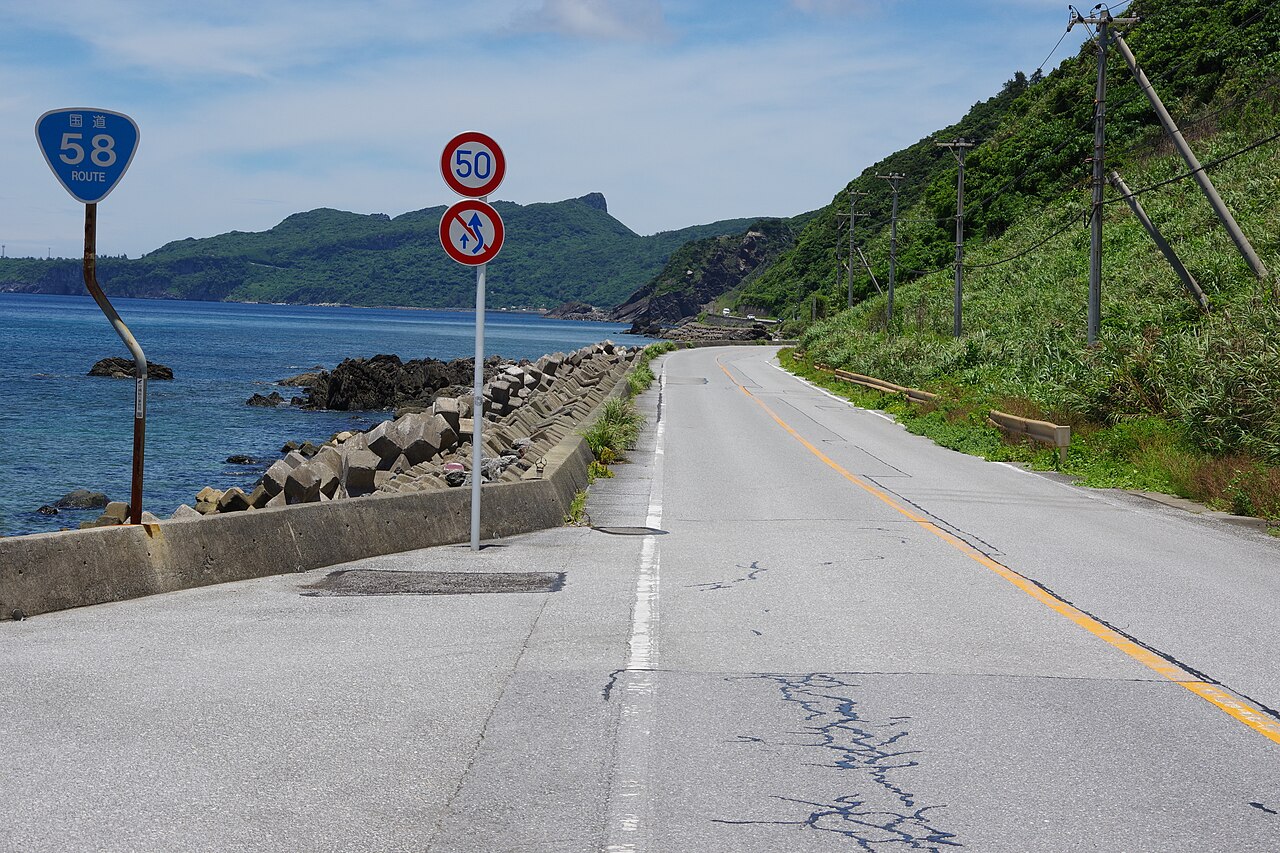
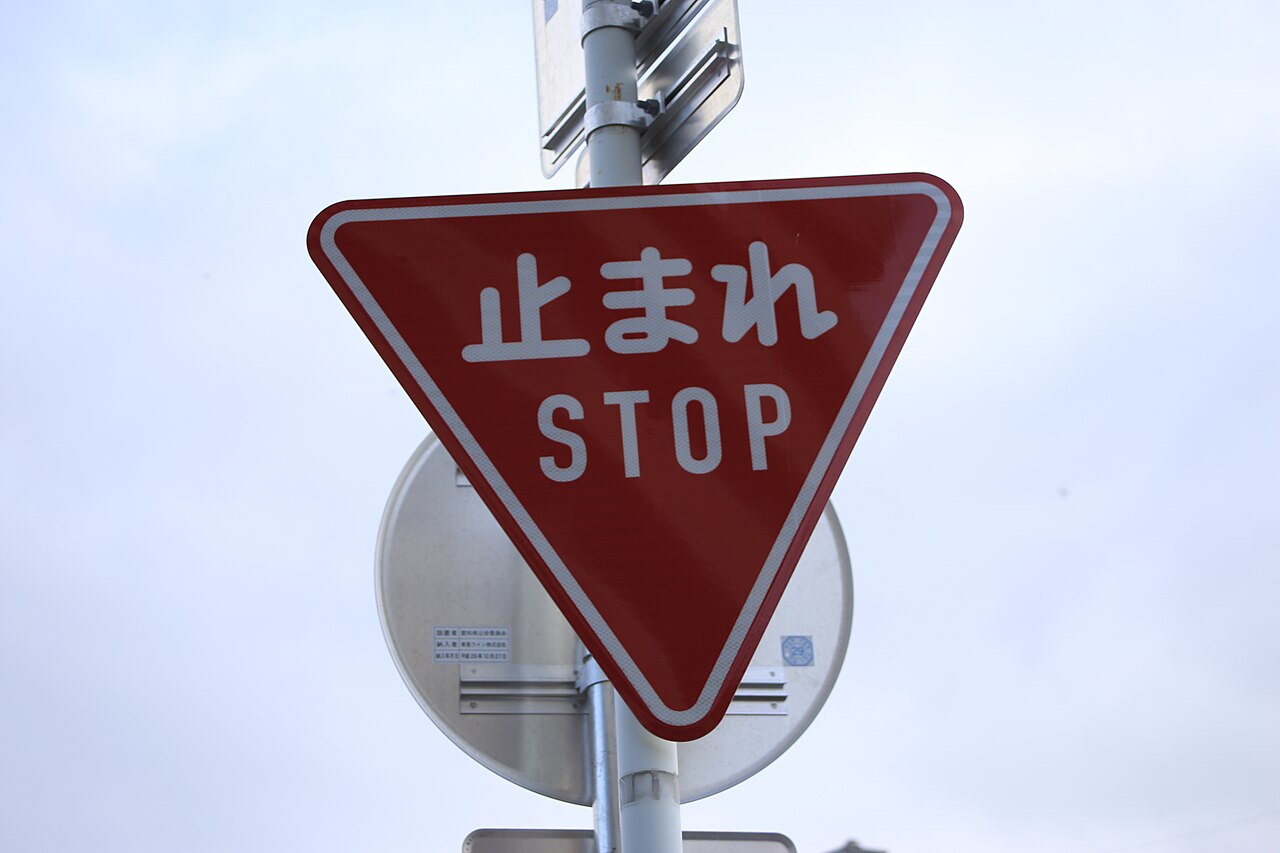
In Japan, you drive on the left, and the driver’s seat is on the right. It is common for visitors from overseas to turn right into the opposite lane at an intersection, or to mix up the turn-signal and wiper levers. At the red inverted-triangle “Tomare” (STOP) sign you must always come to a complete stop, and you must also stop before railroad crossings. Drunk driving is severely punished, and passengers and those who lent the car can also be punished.
Check-in process at UMUI Rent a Car
What to bring to the counter
UMUI Rent a Car asks customers from overseas to prepare the following documents. They are required for every person who will drive.
| If you have an IDP | IDP (in the format based on the Geneva Convention) + passport (with the stamp showing your date of entry into Japan) |
|---|---|
| If you have a foreign license | Foreign driver’s license (Switzerland, Germany, France, Belgium, Monaco, Taiwan) + Japanese translation |
| U.S. military personnel in Japan | USFJ Operator’s Permit for Personally Owned Vehicles (SOFA) + U.S. military ID |
We check the originals of your documents at the counter. Please note that we cannot accept copies or photos.
What you can do before booking
The UMUI Rent a Car booking site is available in Japanese, English, Korean and Traditional Chinese. When you book, confirm how many people will drive and check that everyone has their license documents ready. The Naha Airport branch offers a free shuttle from the airport, and completing online check-in in advance makes the procedure at the counter go smoothly.
Frequently asked questions
Is a copy of my IDP or an image on my smartphone acceptable?
No. The original is required both when driving and at the rental car counter. It is a good idea to keep a copy in case you lose it, but you cannot drive with a copy alone.
Do family members who plan to take turns driving also need documents?
Yes. Everyone who will drive must carry license documents that meet the requirements. Anyone whose documents are incomplete cannot take a turn at the wheel.
What should I do if I am a foreign national living in Japan?
If you hold a Japanese driver’s license, you can simply drive with it. If you are driving with an IDP, please note that you can no longer drive once one year has passed since you entered Japan. If you plan to live in Japan for a long time, consider switching to a Japanese license.
Once your license is in order, your trip to Okinawa becomes much freer. There are many places you can reach only by car, such as seaside drives and the Churaumi Aquarium in the north. If anything about preparing your documents is unclear, please feel free to contact UMUI Rent a Car, even before you book.
* The information in this article is as of October 2026. Systems and fees may change, so please check the latest information with Japan’s National Police Agency, JAF, and the license-issuing authorities of each country and region.
Photo credits: Wikimedia Commons (CC0 / CC BY-SA 4.0). The photographer is listed in each photo’s caption.